

Fraud Blocker
Component Inspection

Foundation Inspection

The Ground Your Home Stands On.

Professional foundation inspection evaluating concrete walls, grading, and structural integrity of a residential property

Your home's foundation is the most critical structural component of the entire property. Whether built on a full basement, crawl space, or concrete slab, the foundation supports every wall, floor, and roofline above it. Our certified InterNACHI and ASHI inspectors perform a thorough visual assessment of the foundation's condition, identifying cracks, settlement, moisture intrusion, and structural deficiencies.

Foundation issues left unaddressed can escalate into major structural failures, with repair costs reaching tens of thousands of dollars. A professional foundation inspection gives homebuyers confidence before closing, homeowners clarity about their property's structural health, and real estate professionals the documentation they need to move transactions forward with transparency.
Certified & Qualified
InterNACHI Certified
ASHI Certified
Certified Master Inspector
Interior Inspector examining basement foundation walls, checking for cracks, moisture, and structural settlement
Interior Assessment

Basement & Crawl Space — What We Inspect

Accessing the basement or crawl space gives our inspector a direct view of the foundation walls, floor system, and any signs of moisture intrusion, structural movement, or previous repairs that aren't visible from the exterior.
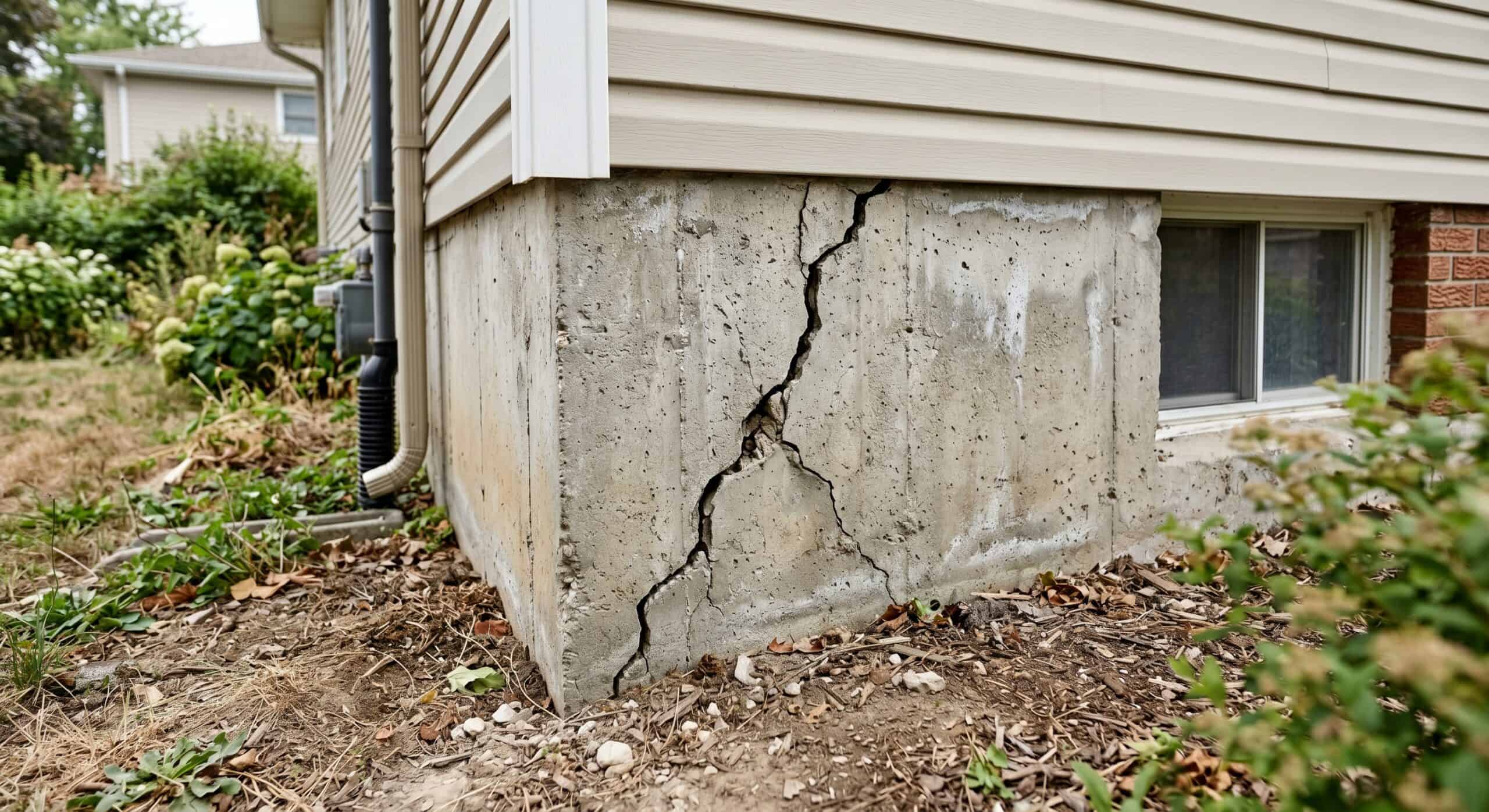
Foundation Wall Cracks — Vertical, Horizontal & Stair-Step Patterns
Signs of Water Infiltration & Active Moisture Intrusion
Bowing, Leaning, or Bulging Foundation Walls
Floor Slab Condition — Cracks, Heaving & Settlement
Support Columns, Piers & Beam Connections
Efflorescence, Mineral Deposits & Staining
Sump Pump Installation & Drainage System Condition
Exterior Professional inspector evaluating exterior foundation walls, grading, drainage, and visible structural deficiencies
Exterior Assessment

Foundation Exterior & Grading — What We Inspect

The exterior evaluation covers the visible foundation surfaces, site grading, and drainage infrastructure — identifying conditions that contribute to hydrostatic pressure, erosion, and long-term structural deterioration.

Visible Foundation Surface Cracks & Spalling
Lot Grading & Slope Direction Relative to Foundation
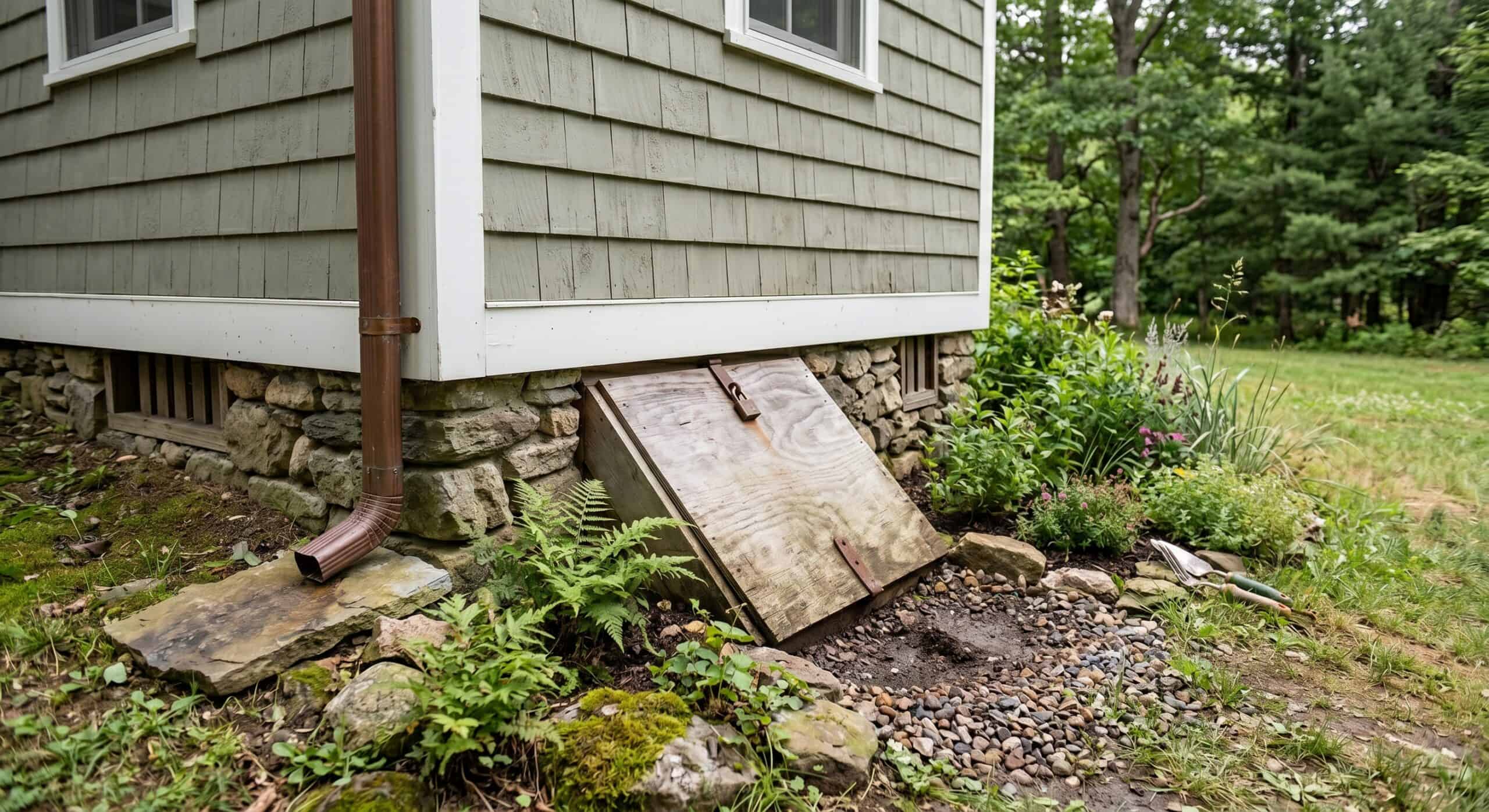
Gutter Downspout Discharge & Extensions
Window Well Condition & Basement Egress
Foundation Exposure & Clearance to Grade
Vegetation & Root Encroachment Near Foundation Walls
Previous Repair Evidence — Patches, Coatings & Sealant
Critical Awareness

Warning Signs of Foundation Failure

Foundation problems rarely appear overnight. Recognizing the early warning signs can save homeowners significant expense and prevent minor issues from escalating into structural emergencies. Our inspectors are trained to identify every one of these indicators.

Foundation Types We Inspect
Poured Concrete
Block & CMU
Concrete Slab
Pier & Beam
Crawl Space
Stone & Rubble

Foundation damage is one of the most expensive repairs a homeowner can face — with structural underpinning and waterproofing projects routinely exceeding $10,000 to $30,000. Catching problems early through a professional inspection can mean the difference between a minor repair and a major structural intervention.

Our certified inspectors evaluate every foundation type common to the Virginia, Maryland, and D.C. region — from poured concrete basements and CMU block walls to pier-and-beam systems and crawl spaces. We document every crack, sign of movement, and moisture condition so you have a complete picture of your foundation's structural health before making a buying or selling decision.

Whether you're a homebuyer performing due diligence, a homeowner investigating suspicious cracks, or a real estate agent needing documentation for a transaction, a foundation inspection from NextDay Inspect gives you the clarity and confidence to move forward.

Common Foundation Issues Our Inspectors Identify

Structural indicators that homeowners frequently overlook until they become critical.

01

Stair-Step Cracking in Block Walls

Stair-step cracks follow the mortar joints in a diagonal, step-like pattern across CMU block or brick foundation walls. This pattern is a strong indicator of differential settlement — meaning one part of the foundation is sinking faster than the rest. Left unaddressed, stair-step cracking can widen over time and compromise the wall's ability to transfer loads to the footing.

02

Horizontal Cracking & Wall Bowing

Horizontal cracks running along basement walls — particularly near the midpoint — indicate lateral pressure from the surrounding soil. This hydrostatic pressure pushes against the wall, eventually causing it to bow inward. This is one of the most serious foundation defects and may require structural reinforcement with carbon fiber straps, wall anchors, or steel I-beams.

03

Sticking Doors & Windows

When doors and windows start sticking, jamming, or failing to latch properly, it can indicate that the home's framing is shifting due to foundation movement. As the foundation settles unevenly, door and window frames are pulled out of square — meaning the openings are no longer perfectly rectangular. This is often one of the earliest symptoms homeowners notice before visible cracks appear.

04

Uneven or Sloping Floors

Floors that visibly slope, bounce under foot, or feel noticeably uneven may indicate that the foundation beneath them has settled, heaved, or shifted. In pier-and-beam construction, this can mean failing support piers or girder beams. In slab homes, it often signals soil movement beneath the concrete. Our inspectors use visual assessment and level measurements to document the extent of any deflection.

05

Persistent Water Intrusion & Efflorescence

White, chalky deposits (efflorescence) on basement walls are a telltale sign that water has been migrating through the concrete or block — carrying mineral salts to the surface as it evaporates. Active water seepage, damp walls, and musty odors all indicate that the foundation's waterproofing barrier has failed. Chronic moisture exposure accelerates concrete deterioration, promotes mold growth, and can rust any embedded reinforcing steel.

06

Gaps Between Wall & Ceiling or Floor

Visible gaps forming where walls meet ceilings, floors, or exterior trim are a direct indicator of structural movement. As the foundation shifts, the framing it supports separates at connection points — pulling drywall seams apart, cracking crown molding, and creating gaps around baseboards. These separations are especially concerning when they appear on multiple floors or on opposite sides of the home, suggesting broad differential settlement rather than localized shrinkage.

Request an Inspection

Concerned About Your Foundation?

Tell us about your property and any concerns you've noticed. Our team will follow up as soon as possible to discuss your foundation inspection options.

Response as soon as possible
Flexible scheduling — including weekends
Licensed, insured & certified inspectors
Photo-documented reports with recommendations
Submitting your request…

Request Submitted!

Thank you — a team member will review your request and reach out as soon as possible.

Request Your Foundation Inspection

All fields marked with * are required.

First name is required.
Last name is required.
A valid email is required.
Phone number is required.
Property address is required.

Your information is secure and will never be shared. By submitting, you agree to our privacy policy.

Residential & Commercial

Explore Our Inspection Reports

HD Photography
Commentary & Recommendations
Grading Scale
Repair, Safety & Maintenance
View Sample Reports
INSPECTION REPORT ASHI NACHI