
Fraud Blocker
Environmental Services

Water
Testing

Sample. Analyze. Safeguard.

Our Water Quality and Potability Testing ensures that the water in your home is safe for consumption. We conduct comprehensive analysis covering bacteria (Total Coliform & E. coli), lead, nitrate/nitrite, turbidity, and pH levels. Whether you're on well water or municipal supply, our certified inspectors collect laboratory-grade samples to detect harmful contaminants invisible to the naked eye — so you can drink with confidence.

EPA Compliant Standards
48-72h Lab Turnaround
Well + City Water Sources Tested
Contaminant Panel EPA MCL
Total Coliform Bacteria Indicator of microbial contamination Detected
E. coli Fecal contamination — acute health risk Positive
Lead (Pb) Action level: 15 ppb — neurotoxin Elevated
Nitrate (NO₃) MCL: 10 mg/L — risk to infants Near Limit
Nitrite (NO₂) MCL: 1 mg/L — oxygen transport risk Normal
Turbidity Water clarity — pathogen indicator Clear
FHA VA

Water Testing for FHA & VA Loan Compliance

Ensure your property meets federal lending requirements. We provide certified water potability reports accepted by FHA, VA, and USDA Rural Development lenders.

Schedule Now
Water Quality & Potability

Determine the Quality & Potability of Your Water

Comprehensive laboratory analysis to ensure your drinking water meets EPA safety standards.

Water is essential for life — 50–70% of the human body is water, and different organs depend on it to function. Your heart is 73% water, your brain and muscles are 75%, and even your bones contain 22% water. Contaminated water doesn't just taste different — it can introduce harmful bacteria, heavy metals, and chemical compounds directly into the systems that keep you alive.

At NextDay Inspect, we test for the presence, absence, and most probable number of bacteria coliforms and E. coli, alongside a full water quality panel covering pH, conductivity, dissolved solids, and more. Every sample is collected using EPA-certified protocols and analyzed by an accredited laboratory.

Our Body Is 50–70% Water

Water content by organ system

75% Brain
73% Heart
83% Lungs
22% Bones
75% Muscles
65% Skin

What We Test

Two comprehensive panels covering biological and chemical water safety.

Bacteria Testing
Microbial contamination analysis

E. coli

Fecal indicator bacteria — presence signals sewage or animal waste contamination and poses acute health risks.

Total Coliform

Broad microbial indicator — elevated levels suggest the water supply may be compromised by surface water intrusion.

H₂S-Producing Bacteria

Hydrogen sulfide-producing organisms cause rotten egg odor and indicate anaerobic contamination in well systems.

Water Quality
Chemical & physical parameter analysis

pH (Acidic / Basic)

Measures acidity or alkalinity — extreme pH can corrode pipes, leach metals, and affect taste.

EC (Conductivity)

Electrical conductivity measures dissolved ion concentration — a general indicator of water purity.

TDS (Total Dissolved Solids)

Quantifies all dissolved minerals, salts, and organic matter — EPA recommends below 500 mg/L.

Salinity

Measures salt concentration — elevated levels affect taste and may indicate contamination from road runoff.

ORP (Oxidation-Reduction Potential)

Indicates water's ability to neutralize contaminants — key metric for assessing disinfection effectiveness.

Turbidity

Measures water clarity — high turbidity can harbor pathogens and indicates particulate contamination.

Water Quality Association Member
Water Quality Association (WQA) Certified We are a certified member of the WQA, committed to professional standards in water quality awareness, testing accuracy, and community education.

We pride ourselves on our water quality services. As a certified member of the Water Quality Association (WQA), we share their mission to advance professional standards and improve awareness of water quality across the community. Our membership ensures that every test we perform meets rigorous accuracy and reliability standards.

Our commitment extends beyond water quality alone — we also evaluate the efficiency and consistency of your water supply system through flow testing, helping identify potential issues before they escalate. We continually expand our expertise through ongoing training and collaboration, ensuring we remain a trusted authority in environmental testing services.

When scheduling water quality testing, always use a certified professional. They follow EPA best practices and chain-of-custody protocols to ensure your results are accurate and defensible.

Understanding the Risk

What Effect Does Water Quality Have on Our Health?

The quality of the water we drink has a profound and direct effect on the health of our body and mind. According to the CDC (Centers for Disease Control and Prevention), the United States has one of the world's safest water supplies. Even though public drinking water is generally safe, water contamination can still occur.

The EPA sets standards and regulations for the presence and levels of over 90 contaminants in public drinking water, including E. coli, Salmonella, Cryptosporidium, metals such as lead, and disinfection byproducts.

At-risk populations: Infants, young children, pregnant women, the elderly, and people with weakened immune systems may be especially vulnerable to illness from contaminated water.

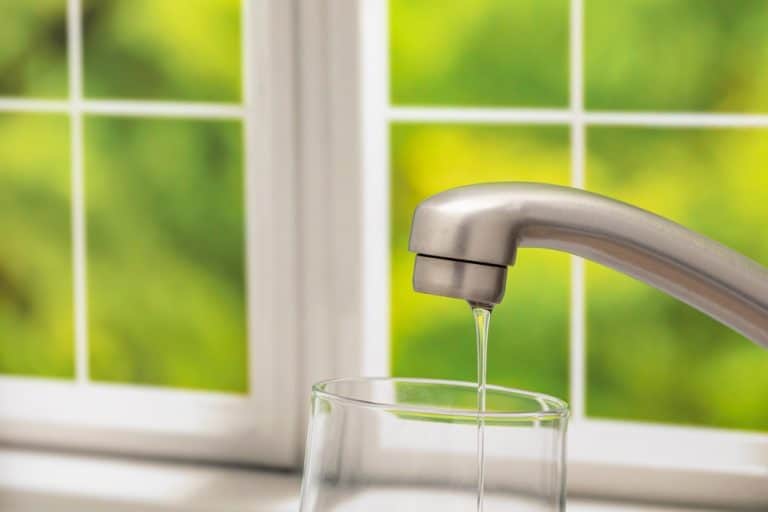
Water poured into glass from kitchen faucet — water quality testing Clean water from the tap requires verified quality at the source
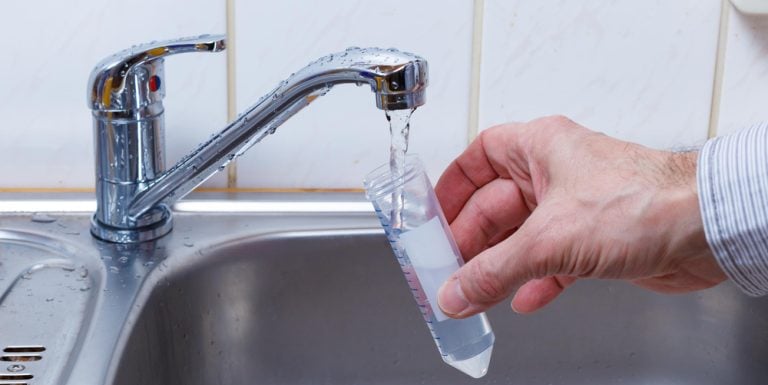
Contaminated water sample showing turbidity and discoloration Contaminated water may appear clear but contain harmful pathogens and metals

Possible Sources of Contamination

There are many pathways through which contaminants can enter your water supply:

01

Sewage Releases

Overflows or leaks from municipal sewage systems introduce bacteria and pathogens.

02

Cross-Connection

Improper plumbing connections allow non-potable water to mix with drinking water supply lines.

03

Natural Chemicals & Minerals

Arsenic, radon, and uranium occur naturally in geological formations and leach into groundwater.

04

Agricultural Land Use

Fertilizers, pesticides, and livestock runoff from concentrated feeding operations.

05

Manufacturing Processes

Industrial discharge of heavy metals, cyanide, and chemical byproducts into waterways.

06

Failing Septic Systems

Malfunctioning on-site wastewater treatment systems leak untreated waste into groundwater.

07

Aging Distribution Pipes

Poor maintenance of water supply infrastructure allows corrosion, leaching, and bacterial growth.

More Information About Water Quality — CDC.gov Centers for Disease Control and Prevention — Official Resource

What Is Water Turbidity?

Turbidity measures the clarity of the water and is one of the most important indicators of overall water quality. The presence of foreign particles — organic or non-organic — directly affects how clear or cloudy the water appears.

While some particles are harmless, others can cause serious discomfort or illness. Excessive turbidity is not just aesthetically unappealing — it presents a genuine health concern.

Turbid water can serve as a source of food and shelter for pathogens. High turbidity promotes the growth of harmful bacteria and can harbor viruses, leading to waterborne diseases upon consumption. This is why turbidity testing is a critical component of every water quality analysis.

Laboratory comparison of clean and turbid water samples Turbidity comparison — clean vs. contaminated water samples
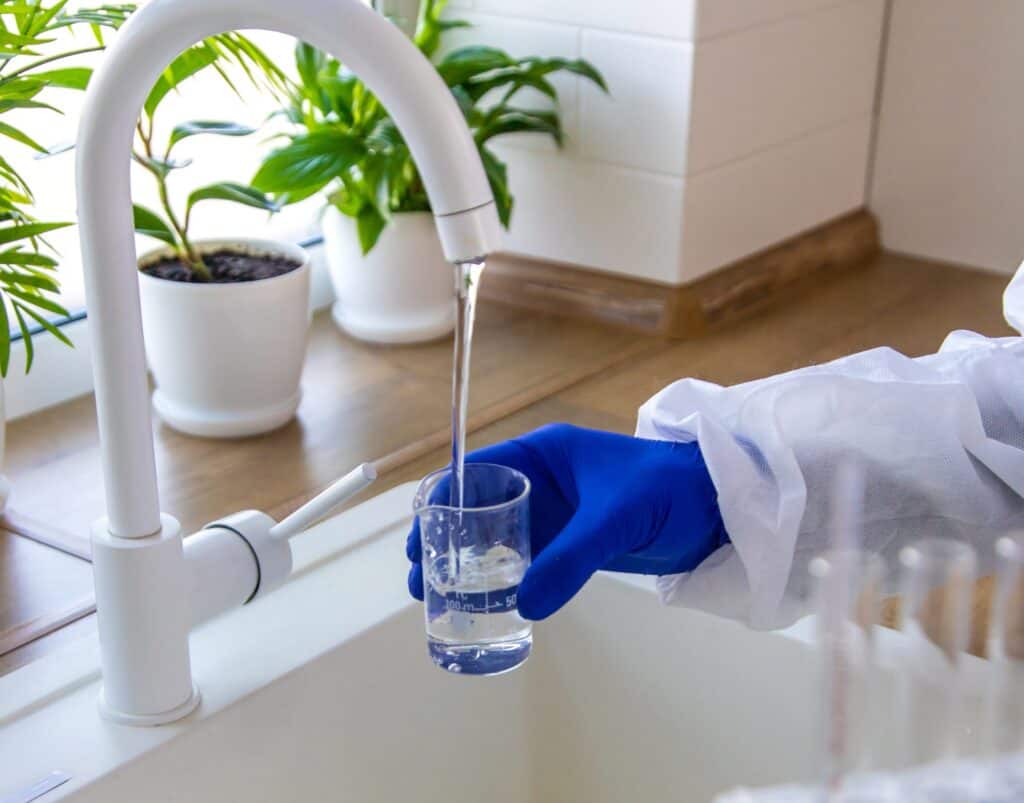
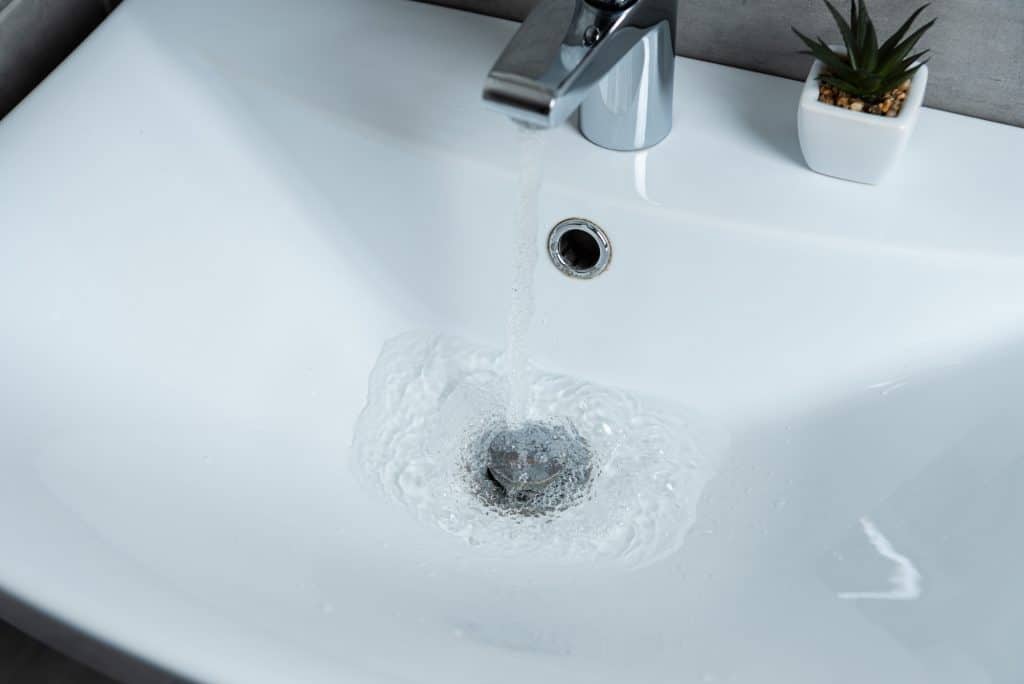
Kitchen faucet water flow — pH and acidity testing Water pH affects pipe corrosion, taste, and metal leaching

Water Acidity & Alkalinity

Water with a pH less than 7 is considered acidic, while a pH greater than 7 is considered basic (alkaline). The normal range for surface water is 6.5–8.5, and for groundwater systems, 6.0–8.5.

Water that falls outside these ranges can cause a cascade of problems — from corroding your plumbing to introducing toxic metals into your drinking supply. Understanding your water's pH is the first step toward ensuring both safety and system longevity.

Acidic Water

pH < 6.5 — Soft & Corrosive

  • Elevated levels of toxic metals (lead, copper, zinc)
  • Premature damage to metal piping and fixtures
  • Metallic or sour taste in drinking water
  • Staining of laundry and fabrics
  • Characteristic "blue-green" staining on sinks and drains

Alkaline / Hard Water

pH > 8.5 — Hard & Scale-Forming

  • Scale buildup on pipes reducing water pressure
  • Alkali taste in drinking water
  • Scale deposits on dishes, utensils, and basins
  • Difficulty getting soaps and detergents to lather
  • Decreased efficiency of electric water heaters
Ready to test your water? Schedule with NextDay Inspect today. Schedule
Find Your Test

Which Water Test Do I Need?

Select a concern below to see which tests are recommended for your situation.

Unusual taste or coloration in water can indicate bacterial contamination, especially if it has a sulfur-like smell. Suspended particulates may also affect flavor, which can be assessed by testing turbidity.

Sour, metallic, or baking soda-like tastes may result from unbalanced pH. A general water quality test can detect bacteria, pH levels, salinity, and total dissolved solids to ensure safety and quality.

Bacteria Test Water Quality Panel Turbidity

Water discoloration occurs when non-water elements are present in suspension. A turbidity test will check for the level of foreign objects in your water, which is the likely cause of lowered clarity.

If your water also has a sulfurous smell or taste, this can be an indicator of bacterial growth. The best way to confirm the presence of bacteria is to test it directly with a certified laboratory analysis.

Turbidity Bacteria Test

Homes built before 1986 may have lead pipes or fixtures, which can leach lead into drinking water. Lead is tasteless, odorless, and invisible in water — but it is unsafe for children at any level.

If your home was built before 1986 or you have children in the household, it is highly recommended to test your water for lead contamination. Early detection is the only way to protect your family.

Lead Testing

Several factors can affect water potability. Homes built before 1986 may have lead pipes or fixtures, risking lead contamination. Bacterial presence is another concern, often indicated by unusual smells, tastes, or discoloration — though testing may still be warranted even without obvious signs.

Additionally, testing turbidity helps assess water clarity and drinkability, as high turbidity can harm health and create an environment for bacterial or viral growth. A full potability panel is recommended for comprehensive peace of mind.

Bacteria Test Lead Testing Turbidity Water Quality Panel
Get Started

Request Water Testing

Fill out the form and our team will follow up as soon as possible to schedule your certified water quality and potability testing.

Response as soon as possible
Flexible scheduling — including weekends
EPA-certified laboratory analysis
Water Quality Association (WQA) member
Submitting your request…

Request Submitted!

Thank you — a team member will review your request and reach out as soon as possible.

Request Your Water Testing

All fields marked with * are required.

First name is required.
Last name is required.
A valid email is required.
Phone number is required.
Property address is required.

Your information is secure and will never be shared. By submitting, you agree to our privacy policy.

Residential & Commercial

Explore Our Inspection Reports

HD Photography
Commentary & Recommendations
Grading Scale
Repair, Safety & Maintenance
View Sample Reports
INSPECTION REPORT ASHI NACHI