

Fraud Blocker
Homeowner Resource Library

Your Home Came
With a Manual.

You Just Didn't Know It Existed.

300+ Illustrations
9 Chapters
Seasonal Guides
Emergency Procedures

Every home is a complex network of structural, mechanical, and electrical systems working together. Understanding how these systems operate — and what they need to stay healthy — is the single most valuable thing a homeowner can learn. That's exactly why we created this guide.

How to Operate Your Home is a comprehensive digital resource library built by inspection professionals. It covers everything from furnace filters and circuit breakers to seasonal maintenance checklists and emergency shutoff procedures — with clear explanations, practical illustrations, and zero technical jargon. Consider it the owner's manual your home should have come with.

300+ Illustrations
9 Chapters
4 Seasons Covered
50+ Home Systems
9 Chapters

What's Inside the Guide

From your first walkthrough to emergency shutoffs — every system in your home explained with clear illustrations and practical advice.

Chapter 8 Preview

Maintenance by the Season

The right task at the right time prevents small issues from becoming major repairs. Here's what your home needs, all year long.

Spring Maintenance Checklist

Warmer weather reveals winter's toll. Address these items as temperatures rise.

  • Service the Air Conditioner

    Don't start the AC unless outdoor temps have been above 60°F for 24 hours. Have a professional check refrigerant levels and clean the coil.

  • Inspect Gutters & Downspouts

    Clear debris from winter. Ensure downspouts direct water at least 4 feet from the foundation to prevent basement moisture.

  • Check Roof & Flashing

    Look for missing, loose, or damaged shingles caused by ice and wind. Inspect flashing around chimneys, vents, and skylights.

  • Reconnect Exterior Hose Bibs

    Turn on the interior shutoff valve for exterior faucets. Check for leaks caused by freezing during winter.

  • Test the Sump Pump

    Pour water into the pit to trigger the pump. Confirm it activates, pumps water out, and shuts off automatically.

  • Inspect Exterior Caulking & Paint

    Reseal gaps around windows, doors, and trim. Touch up peeling paint to protect wood from moisture damage.

Summer Maintenance Checklist

Your cooling system works hardest now. Stay ahead with monthly checks.

  • Change AC Filters Monthly

    A dirty filter restricts airflow and can freeze the evaporator coil. Check and replace filters every 30 days during heavy use.

  • Monitor AC Performance

    If the system runs constantly or doesn't cool properly, check for blocked vents, dirty filters, or low refrigerant levels.

  • Inspect for Pest Activity

    Check foundation perimeter, attic, and crawl space for signs of termites, carpenter ants, or rodent activity.

  • Clean Bathroom Ventilation

    Remove and wash bathroom exhaust fan covers. Excessive moisture leads to mold growth in walls and ceilings.

  • Trim Vegetation from the Home

    Keep shrubs and branches at least 12 inches from siding. Overgrowth traps moisture and provides pest pathways.

  • Test GFCI Outlets

    Press the "Test" button on GFCI outlets in kitchens, bathrooms, garages, and exteriors. Reset after confirming they trip properly.

Fall Maintenance Checklist

Prepare your home for cold weather before the first freeze arrives.

  • Schedule Furnace Service

    Have a professional inspect and service your heating system before heavy use. Replace the furnace filter and test the thermostat.

  • Winterize Exterior Faucets

    Disconnect hoses, close interior shutoff valves for hose bibs, and drain the lines to prevent frozen and burst pipes.

  • Reverse Ceiling Fans

    Switch ceiling fans to clockwise rotation. This pushes warm air down from the ceiling, improving heating efficiency.

  • Clean Chimney & Inspect Flue

    Have the chimney cleaned and inspected before fireplace season. Creosote buildup is a leading cause of chimney fires.

  • Test Smoke & CO Detectors

    Replace batteries in all smoke and carbon monoxide detectors. With windows closed for winter, CO detection is critical.

  • Check Weather Stripping & Seals

    Inspect weather stripping around doors and windows. Replace any that feels brittle, compressed, or damaged to prevent heat loss.

Winter Maintenance Checklist

Cold weather stress-tests every system. Stay vigilant and respond quickly.

  • Check Furnace Filter Monthly

    Heavy furnace use clogs filters quickly. A blocked filter makes the system work harder and can damage the heat exchanger.

  • Watch for Ice Dams

    Ice buildup at the roof edge traps melting snow, forcing water under shingles. Improve attic insulation and ventilation to prevent them.

  • Prevent Frozen Pipes

    Keep cabinet doors open under sinks on exterior walls. Let faucets drip slightly during extreme cold to keep water moving.

  • Clear Furnace Vent Pipes

    After heavy snow, check that intake and exhaust vent pipes are not blocked. Blocked vents can cause carbon monoxide buildup.

  • Monitor Indoor Humidity

    Condensation on windows signals excess humidity. Adjust your humidistat — the colder it is outside, the lower indoor humidity should be.

  • Keep AC Unit Power Off

    Ensure the exterior AC disconnect remains off all winter. Accidental operation in cold weather can cause serious compressor damage.

Knowledge Hub

Know Your Home.
Protect Your Investment.

The more you understand about how your home works, the better equipped you are to maintain it — and the more value a professional inspection delivers.

HVAC system, electrical panel, and plumbing — interconnected home systems evaluated during a professional inspection
Chapters 3, 4 & 5

Understanding Your Home's Systems

Your heating, electrical, and plumbing systems don't operate in isolation — they're interconnected in ways that matter. A furnace needs proper electrical supply and gas lines. Your water heater relies on both plumbing and either gas or electrical connections. Understanding these relationships helps you spot problems early and communicate clearly with service professionals.
A professional home inspection evaluates all of these systems together — identifying issues you might not catch on your own.
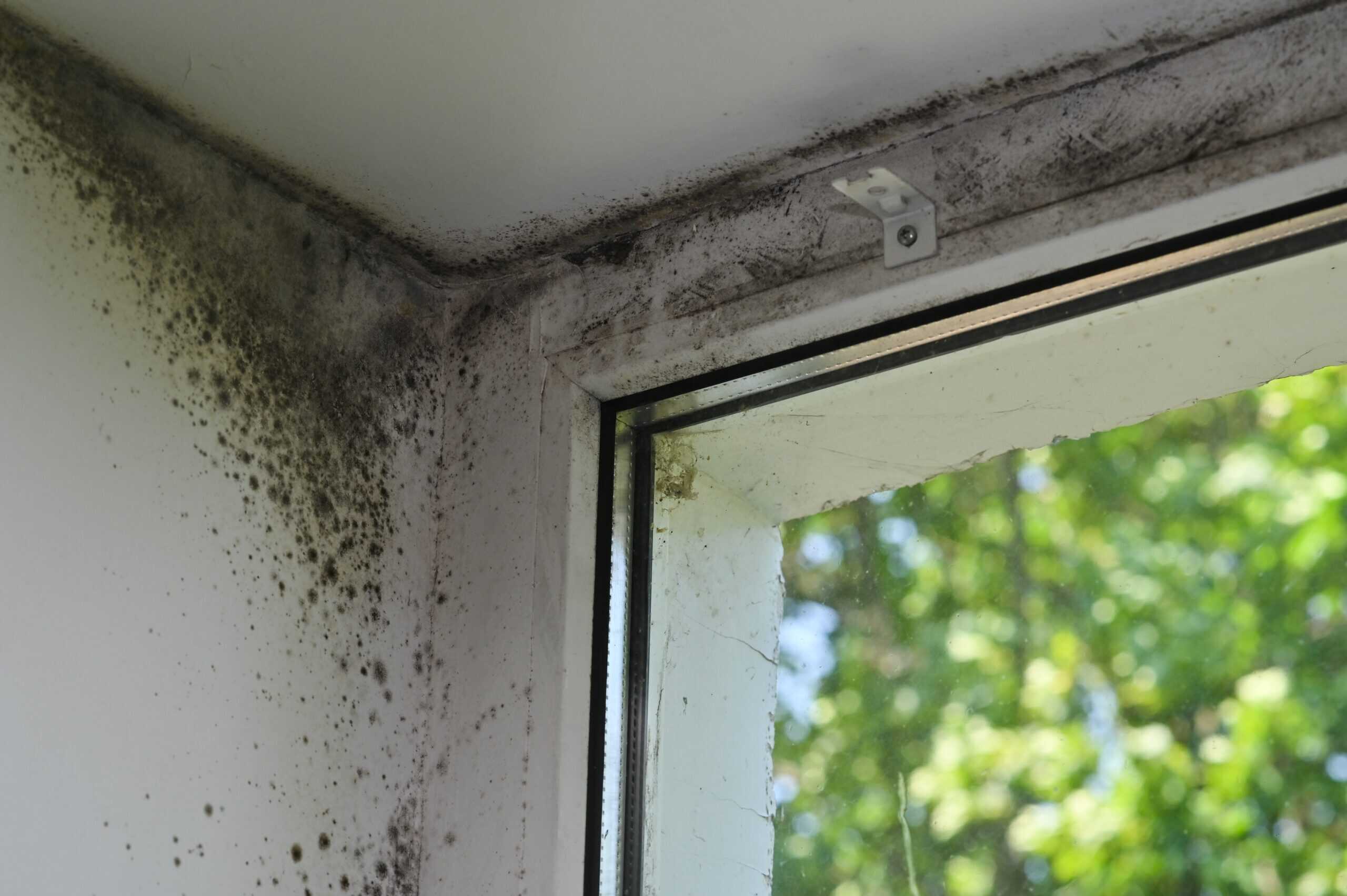
Home interior environmental testing — radon, mold, and air quality assessment for homeowner safety
Chapter 2

Environmental Safety in Your Home

Some of the most serious hazards in a home are the ones you can't see. Lead paint in pre-1978 homes, asbestos in insulation and flooring, radon gas seeping through foundation cracks, and carbon monoxide from malfunctioning appliances — these are silent threats that every homeowner should understand. Knowing the warning signs and testing protocols can protect your family's health.

NextDay Inspect offers radon testing, mold inspections, and environmental assessments as part of our comprehensive service packages.
Water shutoff valve and emergency plumbing — knowing your home's emergency procedures
Chapter 9

Emergency Preparedness

When a pipe bursts at 2 AM or you smell gas in the basement, there's no time to search for answers. Every person in your household should know where the main water shutoff is, how to kill power at the electrical panel, and what to do if the furnace stops working in the middle of winter. These aren't just convenient skills — they're the difference between a minor incident and a catastrophic loss.

During every inspection, our team identifies and documents the location of all emergency shutoffs — so you're never guessing in a crisis.
New homeowner receiving keys — first-time home buyer essentials and move-in checklist
Chapter 1

First-Time Homeowner Essentials

Closing day is exciting — but the real work starts when you get the keys. Setting up utilities, changing locks, arranging insurance, understanding your garbage and recycling schedule, and performing that critical final walkthrough are all part of taking ownership. This chapter helps new homeowners navigate the transition from buyer to confident operator of their most important investment.

NextDay Inspect is your partner from day one — our inspection report becomes your home's first maintenance reference document.
Free Resource

300+ Illustrations.
9 Chapters. Zero Jargon.

The owner's manual your home should have come with.

Every NextDay Inspect client receives complimentary access to our How to Operate Your Home digital library — the most comprehensive homeowner reference guide available. Over 300 illustrations, practical maintenance schedules, emergency procedures, and clear explanations of every system in your home.

Over 300 illustrations
All major home systems
Seasonal maintenance guides
Emergency procedures