

Mold Testing: Find Hidden Mold and Protect Your Health
Moving beyond guesswork to ensure a safe, breathable environment for your family.
Mold does not always show up as obvious black spots on walls. It can quietly spread behind drywall, under flooring, in attics, basements, and HVAC systems—anywhere moisture lingers.
Left unchecked, mold can trigger allergies, asthma, headaches, and long-term respiratory issues, while also damaging building materials.
What Mold Testing Actually Tells You
A professional inspection combines visual checks with scientific testing:
- ◈ Air Sampling: Measures invisible mold spores in the air, even when surfaces look clean.
- ◈ Surface Testing: Swabs or tape lifts from suspect areas like bathrooms or around past leaks.
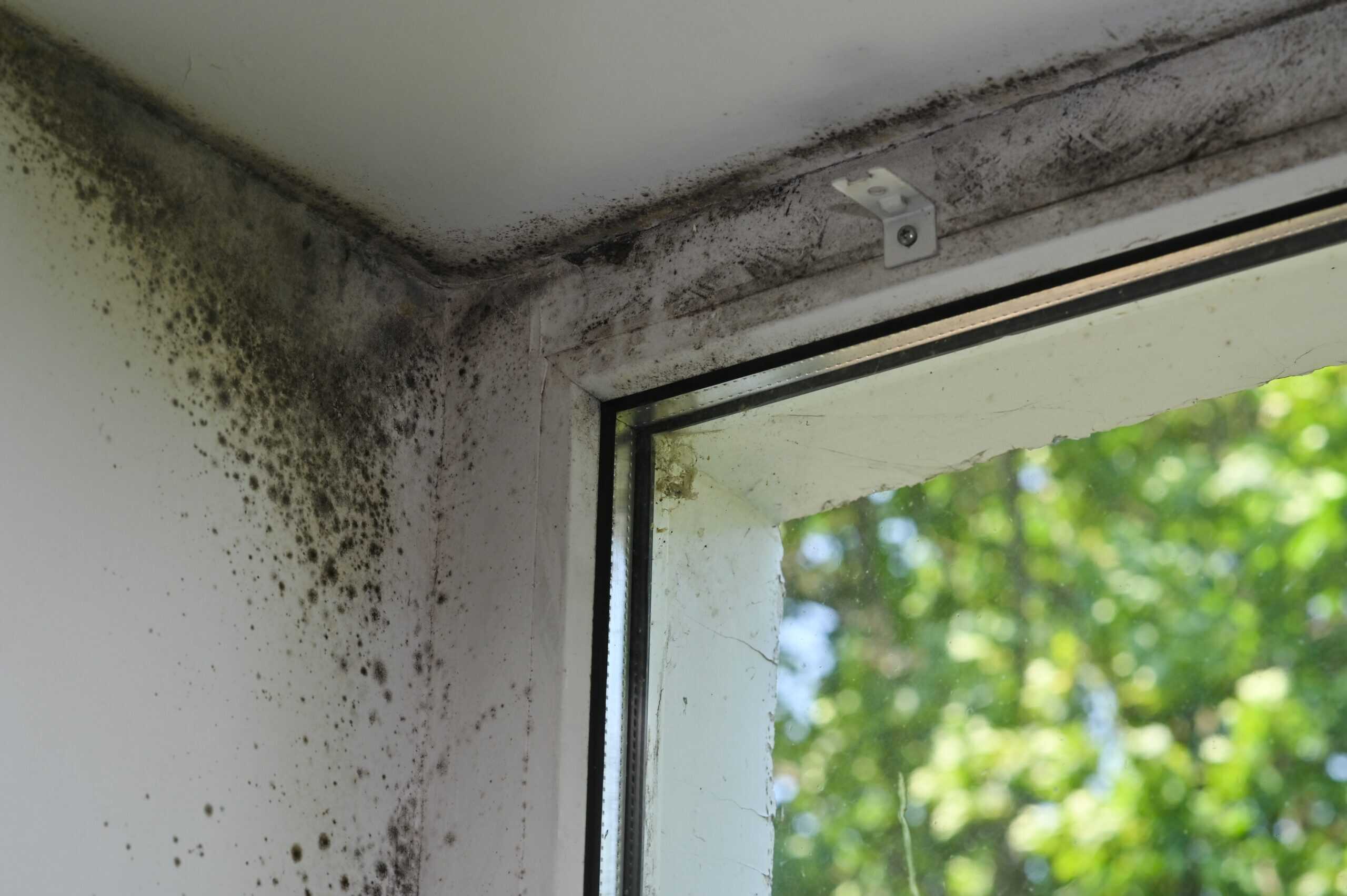
Professional air sampling detects spores invisible to the naked eye.
- ◈ Mold Identification: Determines the specific type of mold and its potential health impact.
- ◈ Moisture Mapping: Pinpoints the leaks or condensation allowing mold to return.
📍 Hidden Areas
- Behind drywall and paneling
- Under carpets and flooring
- Attics and crawlspaces
- Inside HVAC ductwork
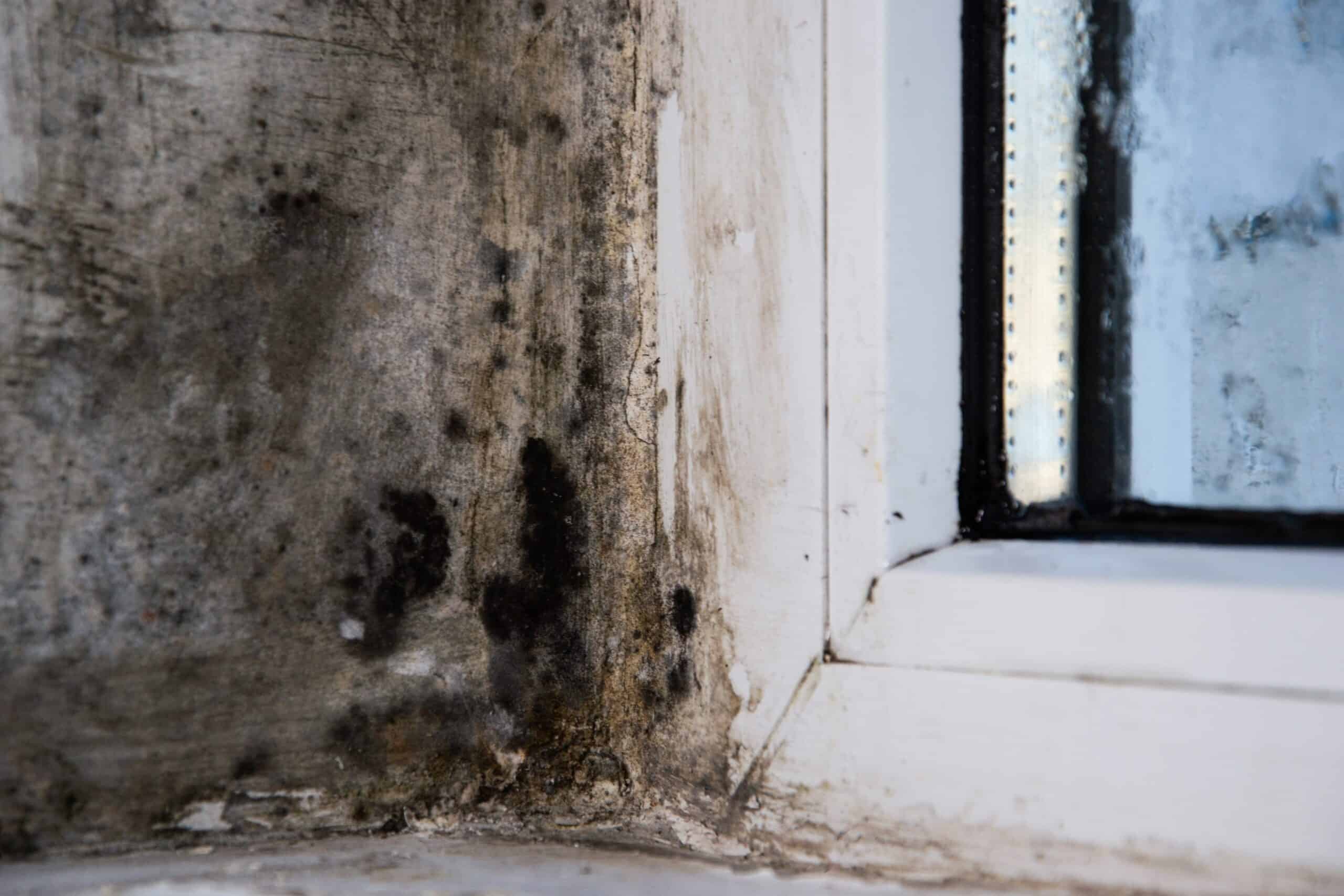
⚠️ When to Test
- After Water Damage: Essential after flooding or plumbing leaks.
- Visual Clues: Following roof or window leaks even if dry now.
- Odors: When persistent musty odors won't go away.
- Health Shifts: Worsening asthma or unexplained headaches.
Final Thoughts: Don’t Wait for Visible Mold
Professional testing gives you the roadmap to a healthier home. Whether you need to fix a hidden leak or document conditions for insurance, clear lab results ensure you aren't just cleaning mold—you're stopping it for good. Protect your indoor air quality today.