

Winter Home Safety: The Truth About Radon
Why the coldest months are actually the most important time to check your home's air quality.
When winter hits, our first instinct is to seal up the house. We lock the windows, weather-strip the doors, and keep the heat running to stay cozy. But while we’re keeping the cold air out, we might be trapping something else in.

Radon is a naturally occurring gas that rises from the soil. You can’t see it, smell it, or taste it, but it’s there. And surprisingly, winter is when radon levels are typically at their highest.
How Winter Changes Your Home
There are two simple reasons why your home "breathes" differently in the winter:
1. The Pull of Warm Air: Think of your house like a chimney. As your heater warms the air, it rises and escapes through the top of your house. This creates a tiny bit of suction at the bottom—in your basement or crawl space—which actually pulls radon gas out of the ground and into your home.
2. The Frozen Cap: When the ground outside is frozen or covered in snow, radon can't escape into the yard like it usually does. Instead, it looks for the easiest path out, which is often through the small cracks in your foundation or around your pipes.
Why Test Now?
Testing in the winter gives you the "worst-case scenario" for your home. Since the windows are shut and the heat is on, you get a very clear picture of the highest radon levels your family might be exposed to.
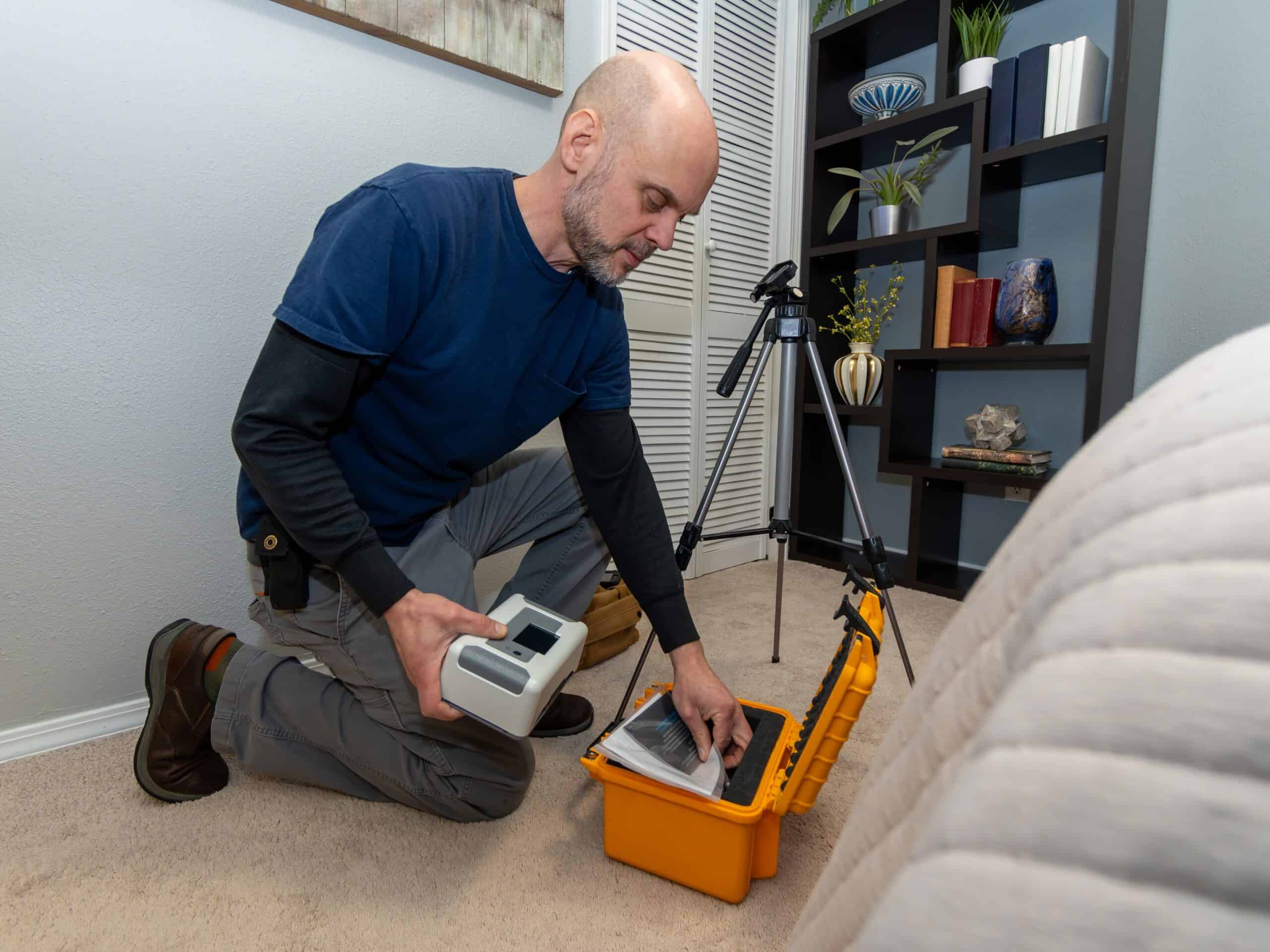
If your home tests safe during the peak of winter, you can feel confident that you're breathing clean air all year long.
Easy, Professional Testing
A simple 48-hour test is all it takes to get the facts. Don't guess about your home's safety—get the peace of mind you deserve.
Schedule Your Radon TestNextDay Inspect © 2026