 Skip to content


Mold and moisture
Basement Mold Testing: When a Professional Test Helps
Learn when basement mold testing can answer a useful question, when visible growth calls for moisture correction instead, and what to discuss before scheduling.
Quick answer
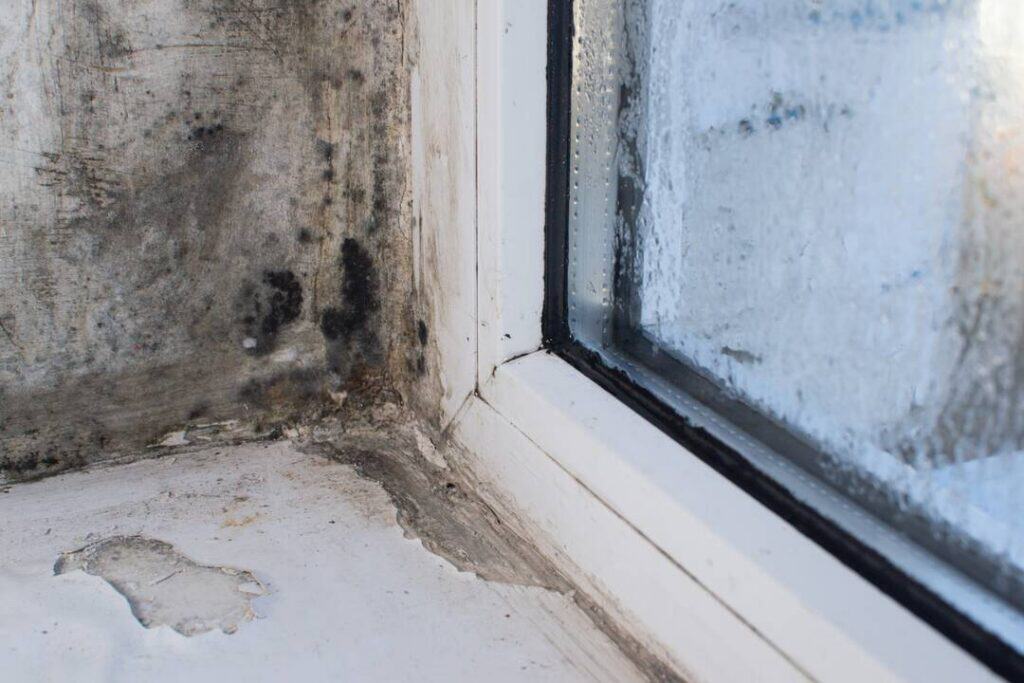
If you can already see mold in your basement, testing is usually unnecessary. The immediate work is to understand the moisture source and address the affected material. Testing may help when you notice an unexplained odor, cannot identify a mark, suspect hidden growth or need to check an area after cleanup.
Before paying for a test, ask what the results could tell you and whether they would change the next step. The inspector should consider the moisture problem as well as any samples.
What are you noticing in your basement?
Basements can feel damp or smell musty for many reasons. Cooler surfaces, limited airflow, plumbing, foundation seepage, drainage, stored materials and past water events can all contribute. Tell the inspector what you have noticed, where it happens and when it started.
- Visible growth: Ask about moisture investigation and cleanup. Another sample may not change the next step.
- Odor with no visible source: An assessment can help narrow the search and decide whether sampling would add useful evidence.
- Unfamiliar stain or material: Surface sampling may help identify what is present when visual review cannot settle the question.
- Concern after cleanup: Ask whether targeted surface sampling would help evaluate the cleaned area.
- Possible hidden growth: Do not open walls or disturb material just to look. The EPA cautions that investigating hidden mold can release mold and dust into occupied space.
Compare the available approaches
| Approach | What it can contribute | What it does not establish |
|---|---|---|
| Visual and moisture assessment | Documents accessible conditions, likely moisture pathways and areas that may need closer attention. | It does not identify every concealed condition or produce a laboratory identification. |
| Surface sampling | Can help identify material from a specific accessible location or support a defined post-cleaning question. | It does not describe conditions throughout the entire basement. |
| Air sampling | Provides a time-limited sample of airborne spores at selected locations for interpretation with site observations. | It is not a federal pass-or-fail score and does not repair the moisture source. |
Not every basement needs every method. Sample locations and comparison areas should be selected deliberately. The EPA states that there are no federal limits for mold or mold spores, so laboratory results need to be interpreted with the moisture history, sampling locations and conditions observed during the visit.
Three practical scenarios
- You see growth beside a recurring foundation leak. Testing may add little because the visible condition and moisture source already point to action. Document the affected area, stop ongoing water entry and ask how to approach cleanup.
- You smell a persistent odor but cannot find a source. Start with a focused inspection. Moisture readings, visual observations or limited thermal imaging may help identify where a sampling plan would be useful.
- You need to evaluate one area after cleanup. Explain what was cleaned, when the work happened and what you need checked. Ask whether a surface sample would help and what the visit would include.
These examples show why two basements may need different services. Your inspector will need to review your property before recommending an approach.
Prepare for the visit
- Note where you see growth, staining or condensation and where you notice an odor.
- Gather dates for leaks, flooding, plumbing repairs, drying or cleanup.
- Explain whether the concern changes after rain, during humid weather or when HVAC equipment operates.
- Identify affected rooms, materials, furnishings or stored contents.
- Share photos or prior reports if they help show a condition that comes and goes.
- Tell us whether you need help locating a problem, identifying material or checking an area after cleanup.
NextDay Inspect offers mold testing options ranging from consultation without samples to broader moisture and thermal assessment with sampling when appropriate. If your question is specifically about airborne spores, review the mold air-sampling guide.
Get help with a basement mold concern
If you are unsure which service to book, request a quote and tell us what is happening in your basement. If you already know which service you need, schedule an appointment.
Sources and further reading
EPA: Mold Testing or Sampling and EPA: Finding Mold and Moisture.