Skip to content
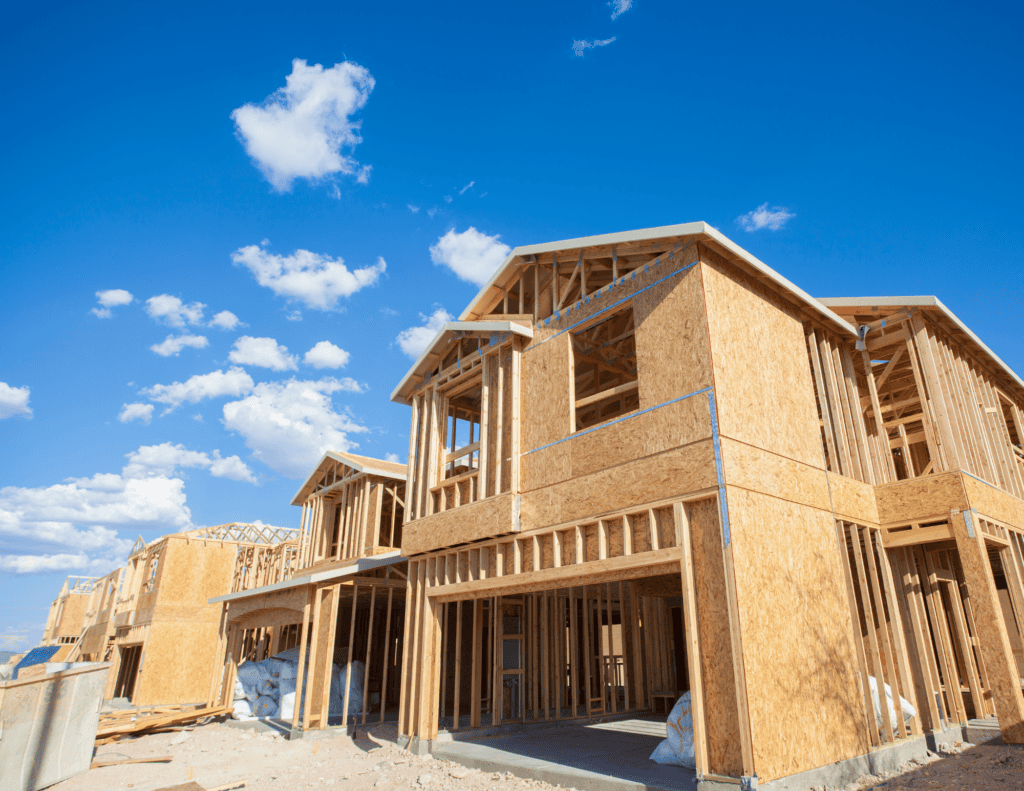
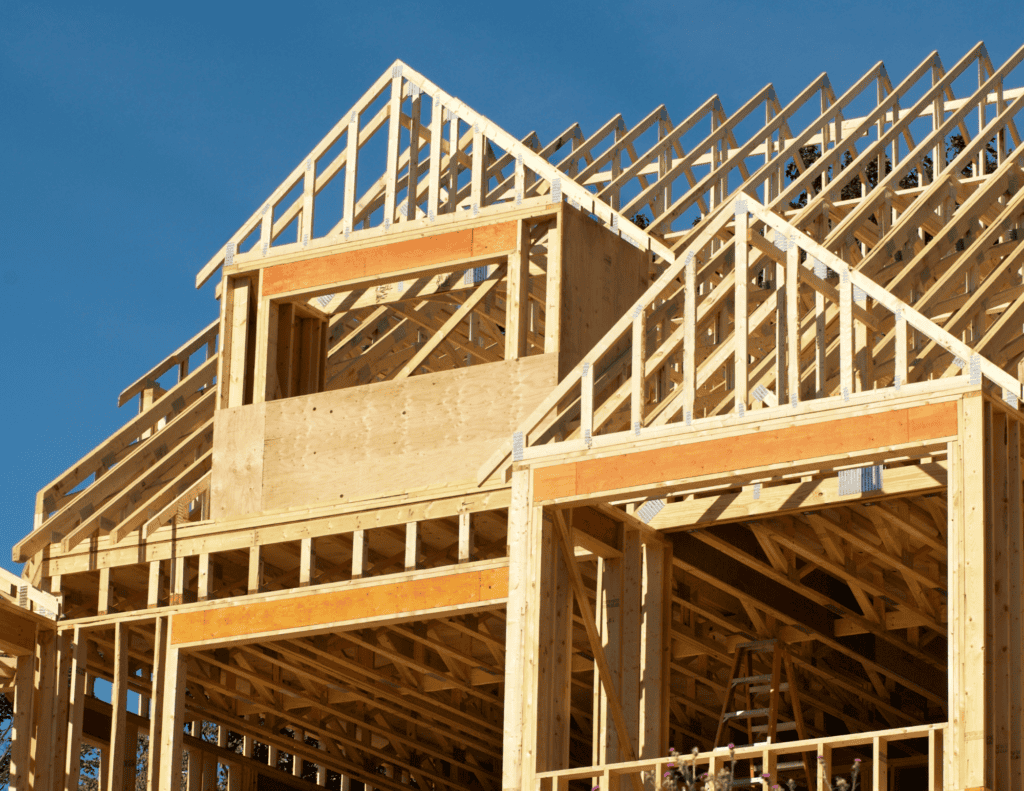
Framing, wiring, pipes and ductwork are all in plain view for a few days, and then the drywall covers them for good. This is the one inspection that looks behind your walls while there is still something to see.
Or call (703) 450-6398 and we will book it around your drywall date.
A house is built by a lot of different trades, and they work the same walls on different days. Framers, plumbers, electricians and HVAC crews each pass through, and things get overlooked in the handoffs. Most of what they leave behind is covered the day the drywall goes on, and stays covered for the life of the house.
The wall, this week
Everything left of that edge is inspectable today and gone next week.
Plumbers, electricians and framing crews all pass through the same space on different days. Nobody sees the whole picture at once, which is exactly where things slip through.
The cost of a fix is not the fix, it is the access. Correcting a mis-run pipe or a notched joist is straightforward while the wall is open, and a different conversation entirely once it is not.
Later inspections are thorough, but they can only assess what is visible. This is the one phase in the entire build where the bones of your house can actually be examined.
With the structure open, your inspector works through the systems that are about to be permanently concealed. If it is about to be covered up, it is part of what we look at. Tap any area to see what is checked.
Critical components need to be installed correctly the first time, because nobody is going to check them again. None of these announce themselves later, and all three are completely obvious today to somebody whose job is to look for them.
The bones of the house. Every stud, joist, pipe run, junction box and duct is visible and reachable while this stage is open. A defect found today is a correction, not a demolition.
Three steps, and the first one is a question for your builder about the drywall date.
Step 1
Ask your builder when the board is going up, then put the inspection in front of it. Book online in a couple of minutes or call us with the address and we will find a slot before the crew arrives.
Step 2
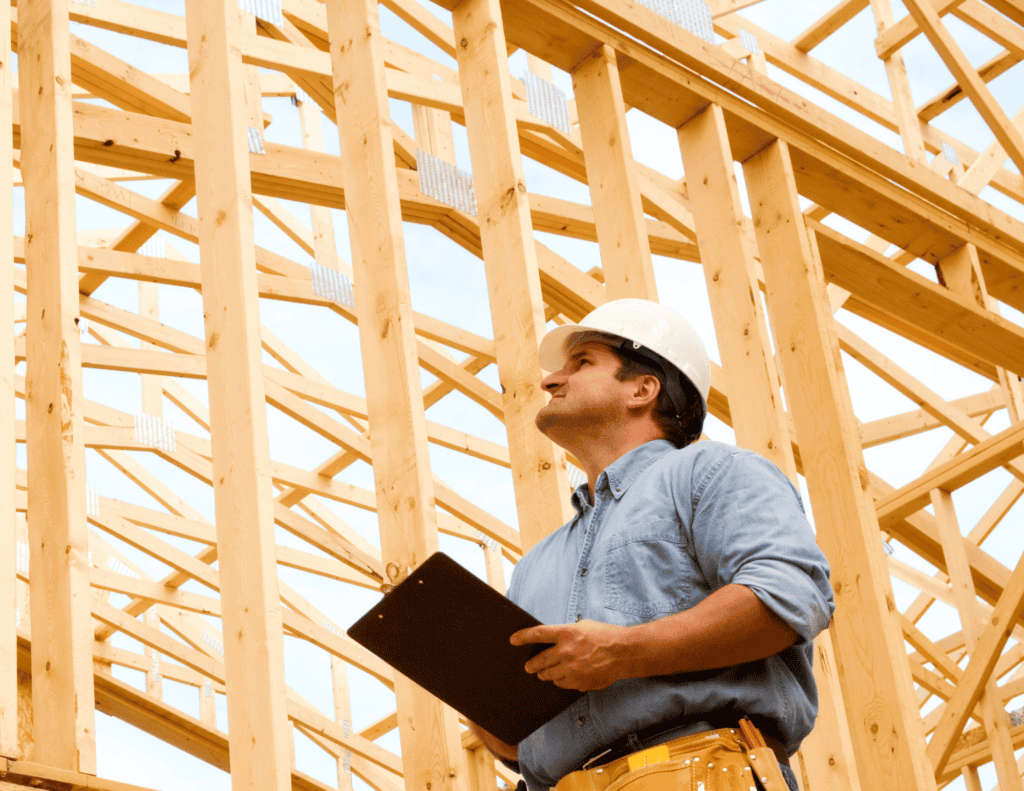
With the walls still open, your inspector goes through the framing, the floor and roof systems, the foundation walls, the electrical, plumbing and HVAC rough-in, the weatherproofing and the fire blocking, and photographs what is there. You are welcome to walk it with them.
Step 3
Every finding in plain language, organized by system and location, with photographs of what is behind your walls taken while it was still visible. Take it to your builder while the correction is still a correction, and keep it: it is the only record you will ever have of the inside of those walls, and it is worth having for every renovation you plan afterwards. See a sample report.
Drywall goes up fast once it is scheduled, so this is worth booking as soon as your builder gives you a date.
Dates move on a building site. Keep your builder and our team in the loop and confirm the appointment rather than relying on a window, because once the board is hung there is no version of this inspection left to do. If the date slips, tell us and we will move with it.
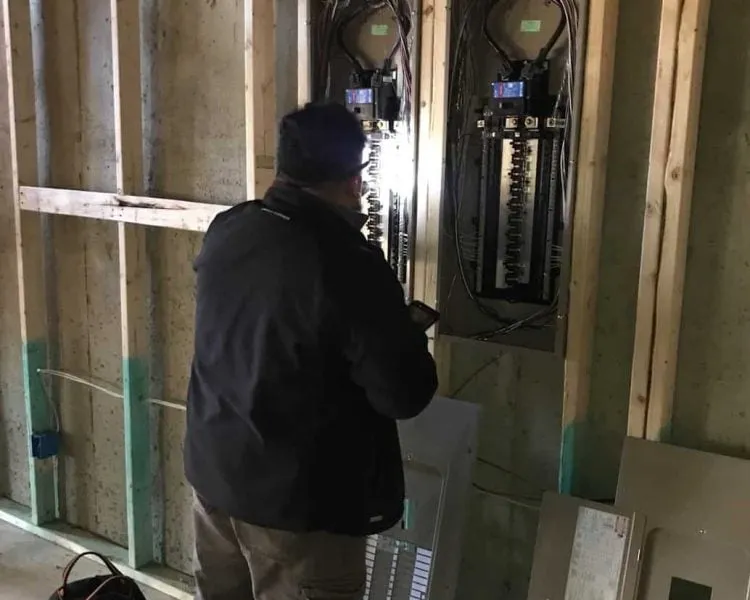
Right now
Every stud, joist, pipe run, junction box and duct is visible and reachable. A defect found today is a correction, not a demolition.

After drywall
The same defect is now behind finished, painted wall. Finding it later means opening that wall back up, and paying to close it again.
The short versionEverything is easy to fix while you can still see it.
Pre-drywall is the second of four. Each stage of the build covers up the one before it, so we inspect four times. Book them as a set, or book any one on its own.
Already under contract? Tell us how far along the build is and we will tell you which stages are still open. A house whose drywall is already hung has two left, not four; the earlier ones cannot be recreated. See all four new construction inspections.
Your pre-drywall inspection is carried out by a licensed, insured and continuously trained inspector, backed by general liability and errors and omissions insurance, and it is carried out for you rather than for your builder. These are the credentials behind the report; the full roster of certifications, awards and association memberships is a click away.
 InterNACHIInternational Association of Certified Home Inspectors. Every inspection follows its Standards of Practice.
 Certified Master InspectorThe inspection profession's senior designation.
 ASHIAmerican Society of Home Inspectors. We work to its ethical and operational standards.
 BBB Accredited, A+Better Business Bureau accredited since 2019 with an A+ rating.
 Angi Super Service AwardAwarded for 2025 on verified customer reviews.
 Thumbtack Top ProTop Pro standing on Thumbtack, earned on customer reviews.
See every credential we hold: inspector certifications and accreditations, awards and association memberships.
We have inspected homes from the production builders working across Northern Virginia, Maryland and Washington, DC, and from regional and custom builders alongside them. Whoever is building yours, the inspection is independent of them: we are hired by you, we report to you, and your builder stays responsible for the work and for arranging the permit inspections their jurisdiction requires.




 and many more
What the inspection covers, when to book it and what you get at the end of it, in plain language.
An independent inspection of a new home after the rough-in is done and before the drywall is hung. While the structure is still open we go through the framing, the floor and roof systems, the foundation walls, the electrical, plumbing and HVAC rough-in, the weatherproofing and the fire blocking, and document what we find in writing with photographs. It is carried out for you rather than for your builder.
As soon as the framing, wiring, plumbing and ductwork are in and before the insulation and drywall go up. That gap is often only a few days, and it is the last time anybody can look at the bones of the house. Ask your builder when the rough-in will be complete and call us as soon as you have a date.
Dates move on a building site, so keep your builder and our team in the loop and confirm the appointment rather than relying on a window. If the date slips, tell us and we will move with it.
In 24 to 48 hours. Every finding is in plain language, organized by system and location, with photographs of what is behind your walls taken while it was still visible. You can see a sample report before you book.
No, and you are welcome to be. Plenty of clients walk the house with the inspector at this stage, because it is the only time anybody gets to see the inside of the walls, and questions are easier to answer standing in front of the thing. If you cannot make it, the report and its photographs are written to stand on their own.
Because they are answering to different people. Your builder arranges the inspections their jurisdiction requires, and those remain their responsibility. This one is hired by you and reported to you, and it covers the things that get overlooked in the handoffs between trades: a joist notched too deep to run a pipe through, a junction box that ends up buried behind drywall, a missing metal clip. None of them announce themselves later.
You get it in writing, with photographs and the location, and you take it to your builder while the wall is still open. That is the whole point of the timing: the cost of a fix is not the fix, it is the access. Your builder stays responsible for the work; what changes is that you are asking about it at the one moment it is cheap to put right.
We can inspect the house, but not this. Later inspections are thorough and they can only assess what is visible, so once the board is hung the framing and the rough-in are out of reach. If your drywall is already in, the stage to book is pre-settlement, before you sign.
Each stage stands on its own and you can book any of them individually. They cover different things because the house is at a different stage each time: foundation and footing before the concrete, this one before the walls close up, pre-settlement before you sign, and the 11th-month warranty inspection before the builder's warranty deadline. Booking more of them leaves fewer blind spots, and a stage the build has already passed cannot be recreated.
Virginia, Maryland and Washington, DC. Our wider inspection footprint reaches further, but this service is offered in those three jurisdictions. Check the address against our service coverage map, or call and we will confirm it for your site.
Pricing starts from a flat fee and depends on the size of the home. Enter the address when you book online to see the price for your property, or call (703) 450-6398 and we will quote it.
Still deciding? The general inspection FAQ covers scheduling, attendance and reports across every service, and the new construction hub lays out all four stages.