Skip to content
The house is finished and you have not signed yet, which is the strongest position you will ever hold with your builder. We document what the walk-through missed, in a written punch list with photographs, while there is still every incentive to fix it.
Or call (703) 450-6398 and we will book it for you.
The same defect costs you nothing today, becomes a warranty claim next month, and comes out of your pocket a year from now. Nothing about the defect changes. Only when you find it.
You are here
Findings go on a punch list your builder works through before you take the keys. You have not signed, so the incentive to resolve them is at its highest.
Warranty claim
Still covered, but now it is a claim: you submit it, you wait, and you schedule the repair around your own life in a house you already live in.
Out of pocket
Once the builder's warranty expires, the repair is simply yours. The same defect, now at your cost.
Your builder runs their own walk-through. Ours is independent of them, works to the same standard we apply to every home inspection, and answers only to you.
You walk into the final walk-through holding a written report with photographs and locations, not a memory of something you thought looked wrong in the second bedroom.
It is also the natural moment to raise anything you are unsure about with your builder: how a system works, why something was done a particular way, and what is covered from here.
The goal is simple: move into a new home with as few outstanding problems as possible, and have the record to make that happen.
01
Every finding, in plain language, organized by system and location. It reaches you by email in 24 to 48 hours, because settlement dates do not move for anyone.
02
Defects photographed where they are, so there is no ambiguity about which window, which wall, or which fixture needs attention.
03
Formatted so your builder's team can act on it directly, which is usually the difference between "we will look into it" and a scheduled fix.
Your inspector checks the finished home top to bottom, inside and out. Every system the builder is handing over to you.
Every system, every room. If your builder is handing it over, it is part of what we look at. The two earlier stages cover what is exposed at that point instead, and the 11th-month warranty inspection covers this same list again a year later.
A final walk-through is largely a visual pass through a clean, empty, freshly painted house, which is exactly the environment in which problems are hardest to notice. Everything looks finished because everything is new.
Our inspectors operate the systems rather than look at them. Appliances get run. Outlets get tested. Fixtures get opened. The difference between "it is installed" and "it works" is the entire point of the visit.
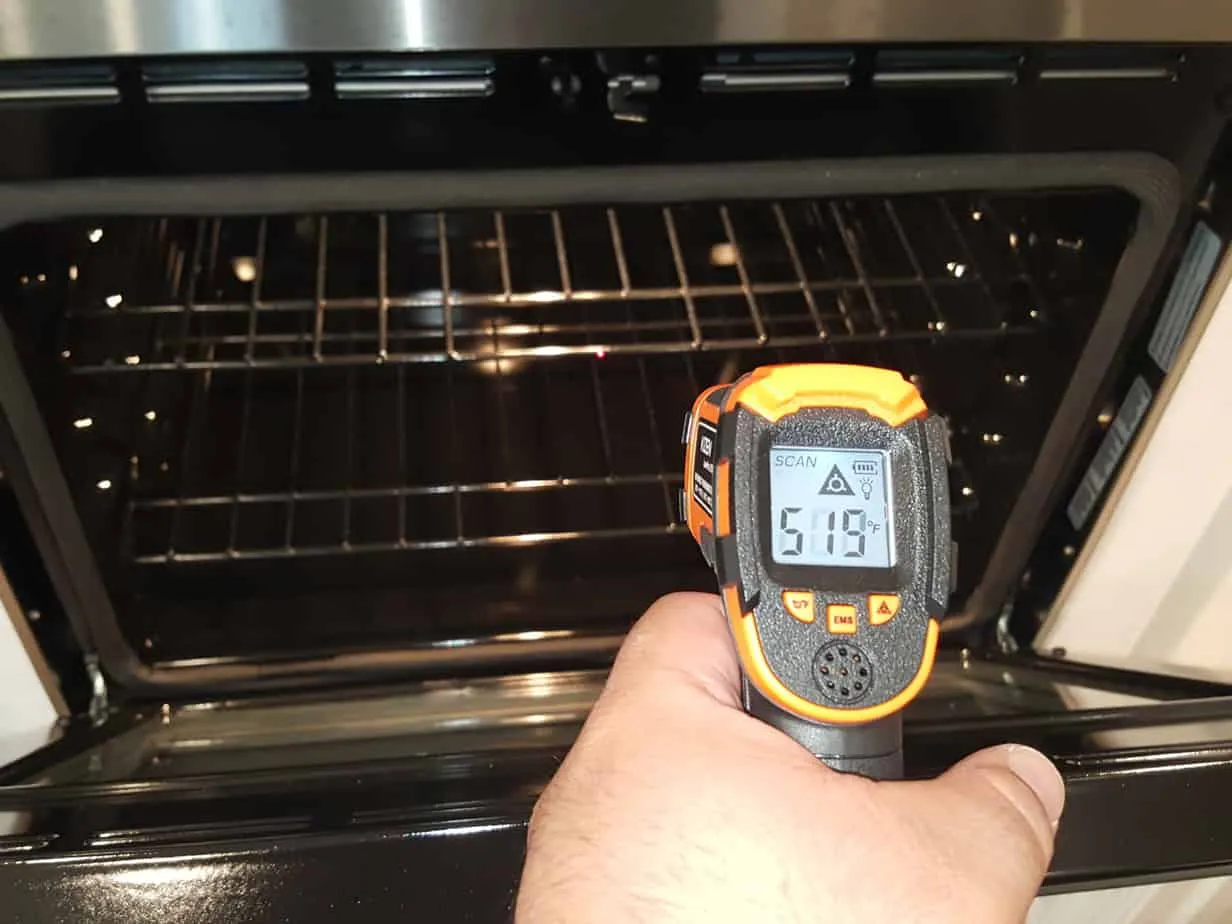
Operated, not glanced at
An oven that was installed and an oven that reaches temperature are two different findings. We confirm the second one.
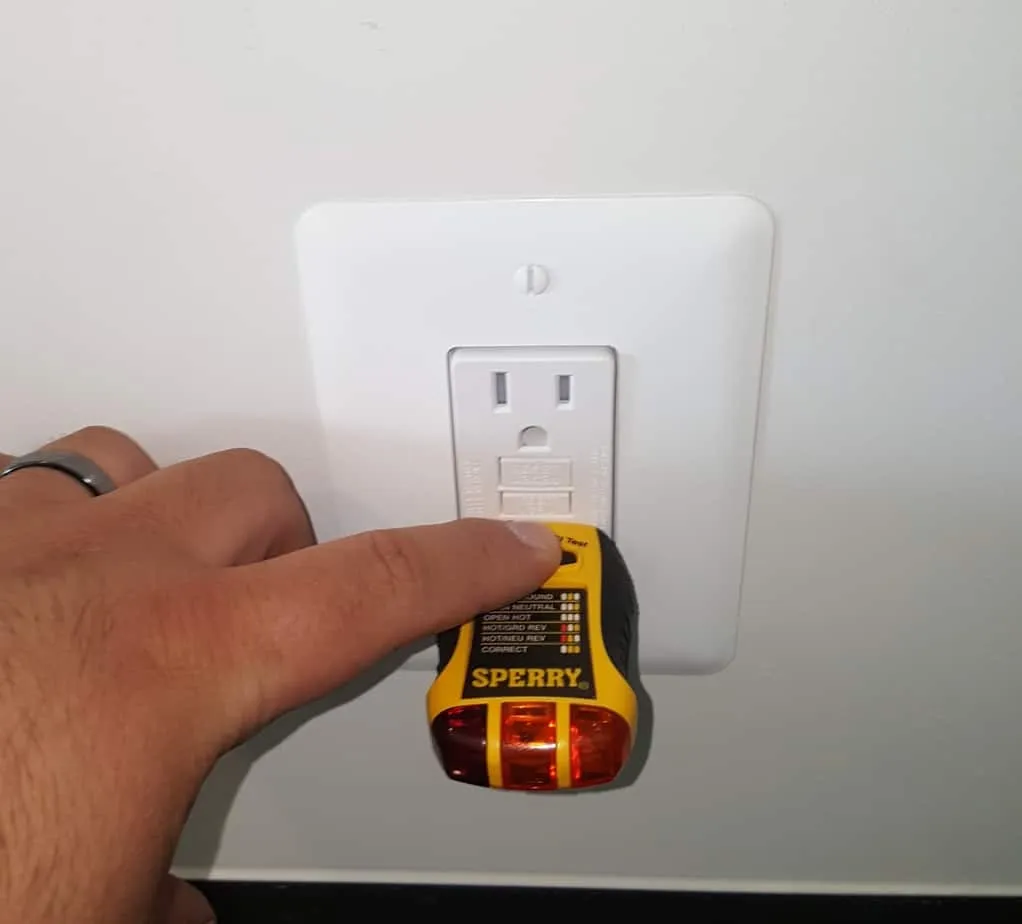
Tested individually
Wiring faults and GFCI outlets that do not trip look identical to working ones from across the room. They do not survive a test.
The short versionNew does not mean correct. It only means nobody has used it yet.
Three steps, and the first one is a date: book it with enough room before closing for your builder to work the list.
Step 1
Book it online or call, and give us the address and your settlement date. Getting the inspection on the calendar with room before closing is what gives your builder time to act on the findings rather than promise to.
Step 2
Every system on the list above, inside and out, operated rather than looked at, and photographed where the finding is. You are welcome to walk the property with your inspector and ask about anything you are unsure of.
Step 3
By email, formatted so your builder's team can work from it, with safety concerns and major defects listed first. You can see the format before you book in our sample report, and you can call your inspector with a question about it at any point afterwards.
Pre-settlement is the third of four. Each stage of the build covers up the one before it, so we inspect four times. Book them as a set, or book any one on its own.
Already under contract? Tell us how far along the build is and we will tell you which stages are still open. A house that is finished has this one and the warranty inspection left, not four; the earlier ones cannot be recreated. See all four new construction inspections.
Our inspectors are licensed, insured and continuously trained, and every one is backed by general liability and errors and omissions insurance. These are the credentials behind a pre-settlement report; the full roster of certifications, awards and association memberships is a click away.
 InterNACHIInternational Association of Certified Home Inspectors. Every inspection follows its Standards of Practice.
 Certified Master InspectorThe inspection profession's senior designation.
 ASHIAmerican Society of Home Inspectors. We work to its ethical and operational standards.
 BBB Accredited, A+Better Business Bureau accredited since 2019 with an A+ rating.
 Angi Super Service AwardAwarded for 2025 on verified customer reviews.
 Thumbtack Top ProTop Pro standing on Thumbtack, earned on customer reviews.
See every credential we hold: inspector certifications and accreditations, awards and association memberships.
We have inspected homes from the production builders working across Northern Virginia, Maryland and Washington, DC, and from regional and custom builders alongside them. Whoever is building yours, the inspection is independent of them: we are hired by you, we report to you, and your builder stays responsible for the work and for arranging the permit inspections their jurisdiction requires.




 and many more
The questions buyers ask us in the weeks before settlement.
An independent inspection of a finished new home, carried out for you rather than for the builder, in the gap between the house being complete and you signing for it. Your inspector checks every accessible system inside and out, operates what can be operated, and photographs what is wrong.
It is the third of the four points at which we inspect a new build: the footing before the concrete is poured, the structure before the drywall goes on, the finished house before you sign, and the whole property again in the eleventh month, before the builder's warranty ends.
Because neither your builder nor the permit inspections your jurisdiction carries out works for you. Those inspections remain a separate part of the build, arranged by the builder, against the code rather than against your interests.
Our inspection is independent of both. It works to the same standard we apply to every home inspection, and it answers only to you. Your builder remains responsible for the work and for arranging the approvals their jurisdiction requires.
A final walk-through is largely a visual pass through a clean, empty, freshly painted house, which is exactly the environment in which problems are hardest to notice. Everything looks finished because everything is new.
Our inspectors operate the systems rather than look at them. Appliances get run, outlets get tested, fixtures get opened. An oven that was installed and an oven that reaches temperature are two different findings, and a GFCI outlet that does not trip looks identical to one that does from across the room. New does not mean correct. It only means nobody has used it yet.
With enough room before closing for your builder to actually work the list. The findings are only worth as much as the time your builder has to act on them, so the inspection wants to sit far enough ahead of the settlement date that a punch list can be worked rather than acknowledged.
Tell us your settlement date when you book and we will work back from it. Your written report follows the visit by 24 to 48 hours.
No. Each one stands on its own and you can book any of them individually. They cover different things because the house is at a different stage each time, so booking more of them leaves fewer blind spots, but plenty of buyers come to us for this stage only.
If the build has already moved past a stage, that stage cannot be recreated, so tell us where the house has got to when you call and we will tell you what is still open.
The difference is timing, not thoroughness. Your inspector treats each one as a brand new inspection and checks every aspect of the home.
What changes is what the house has had a chance to reveal. A pre-settlement inspection sees a home nobody has lived in. An 11th-month inspection sees one that has been through a full year of weather, settling and daily use: drywall cracking from foundation movement, sticking doors and grading that has shifted show up after you move in, not before.
A written report by email, with every finding described in plain language and organized by system and location, safety concerns and major defects first. Defects are photographed where they are, so there is no ambiguity about which window, which wall or which fixture needs attention, and the whole thing is formatted so your builder's team can act on it directly.
You can see the format before you book in our sample report.
Across Virginia, Maryland, Washington, DC, southern Pennsylvania and West Virginia's Eastern Panhandle. Check your city, county or ZIP code in our service area, or call and we will tell you.
It depends on the size, age and type of the home, so we do not quote one number for every property. What we can tell you is that you are welcome to be there: walking the property with your inspector is the natural moment to raise anything you are unsure about, how a system works, why something was done a particular way, and what is covered from here.
You can also call your inspector with a question about the report at any point after it lands. There is no cutoff on that.
More answers on our frequently asked questions page, and on the new construction hub.