




11th-Month Warranty Inspection
Builder warranty periods, covered items and notice requirements vary. An inspection documents accessible conditions in writing and photographs so you can compare the findings with your written warranty and raise questions through the builder's stated process.
Or call (703) 450-6398 with your settlement date and written warranty available so our team can help you plan the inspection timing.
Plan from your written warranty
Many customers plan this inspection near month eleven, but warranty periods, claim steps and notice deadlines vary. Check the builder's written warranty and schedule early enough to receive the report before any notice deadline that applies to your home.
The first year after settlement
- 1
- 2
- 3
- 4
- 5
- 6
- 7
- 8
- 9
- 10
- 11
- 12
- Month 11Inspect with enough time to receive the report and follow any notice steps in your written warranty.
- Month 12Check the coverage period and notice deadline stated in your written warranty.
A settled house shows more
Months of weather, settling and daily use can reveal conditions that were not visible before occupancy. Cracks, sticking doors and grading changes may become visible after you move in.
A record, not a conversation
"The floor feels uneven" is a conversation. A written report with photographs, locations and an inspector's findings is a record, and it is the difference between describing a problem to a warranty team and handing them a list they can work from.
Check the written terms
Your written warranty states covered items, claim steps and notice deadlines. The inspection report documents observed conditions; compare it with those terms and raise questions with the builder.
What gets inspected in month eleven
Your inspector reviews accessible systems and components throughout the home within the agreed inspection scope. It is a broad inspection, not a spot check of only the items you noticed. Tap any area to see what is checked.
- Shingles
- Vent caps
- Flashing
- Weatherproofing
- Gutters
- Eaves and fascia
- Structural components
- Foundation walls
- Grading and slope
- Driveway
- Walkway
- Main gas valve
- Attic access
- Ventilation
- Insulation
- Siding and EIFS
- Porch
- Deck
- Attached garage
- Grounds
- Moisture intrusion
- Visible framing
- Access and ventilation
- HVAC system
- Water heater
- Distribution
- Outlets
- Circuit breaker panel
- Smoke detectors
- Sinks
- Toilets
- Showers
- Bathtubs
- Water main
- Exterior faucets
- Drainage
- Built-in appliances
- Countertops
- Cabinets
- Laundry
- Ceilings
- Walls
- Floors
- Doors
- Windows
Accessible systems and rooms. We review the accessible components included in the agreed inspection scope. The two earliest stages cover what is exposed at that point instead: the footing forms and site conditions before the pour, and the framing, plumbing runs and electrical routing before the drywall goes on.
How the eleventh-month visit works
Begin planning with your settlement date and written warranty so you can account for the coverage period and any notice timing that applies to your home.
Step 1
Book with the written terms in view
Order it online or call the office. Have your settlement date and written warranty available when you call. Leave enough time to receive the report and follow any notice steps required by those documents.
Step 2
Your inspector reviews accessible systems and components
The visit follows the agreed home-inspection scope across accessible areas such as the roof, structure and foundation, attic, exterior, basement or crawlspace, major systems, kitchen, laundry and interior rooms. Observed findings are documented with locations and photographs where applicable.
Step 3
Your report follows in 24 to 48 hours
The written report is delivered by email in 24 to 48 hours. Observed findings are described in plain language, organized by system and location, and photographed where applicable so you have a documented record to review with the builder. You can see the format first in our sample reports.
Schedule your inspection Request a quote Call (703) 450-6398
Same inspection, different information
This is not a lesser version of your pre-settlement inspection. The difference is timing, not thoroughness. Your inspector reviews accessible systems and components within the agreed inspection scope.
What changes is what the house has had a chance to reveal. A pre-settlement inspection sees the home before occupancy; an 11th-month inspection can document conditions that become visible after months of weather, settling and daily use. Review those findings against your written warranty.
Shows up later
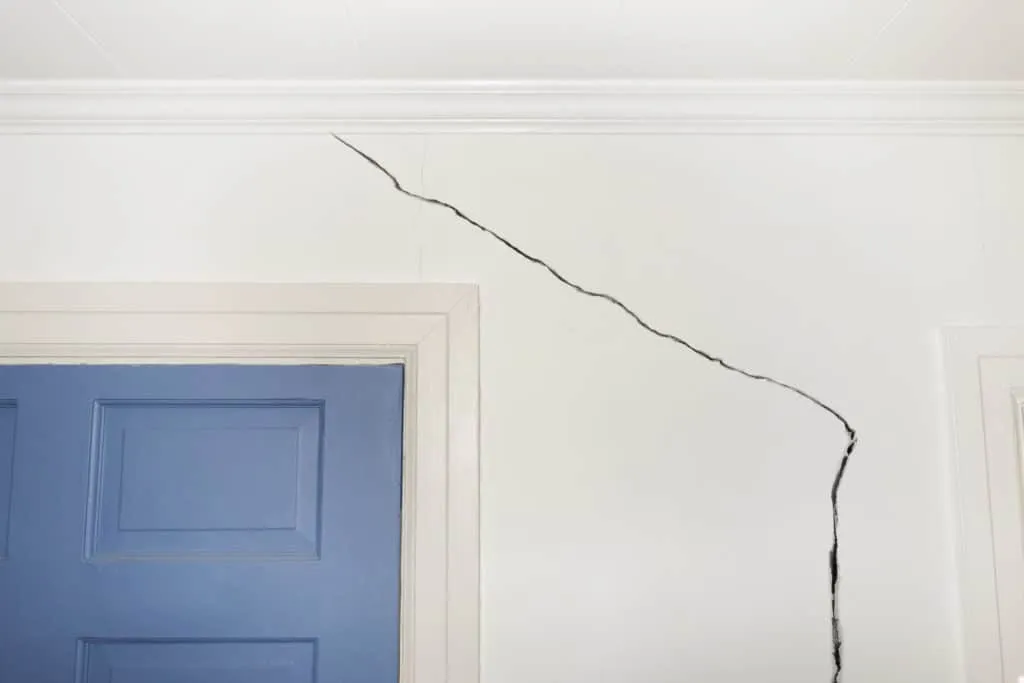
Settlement cracking
Drywall cracks or separation may become visible after occupancy. The inspection documents the observed condition; determining its cause may require further evaluation.
Hard to see from the ground
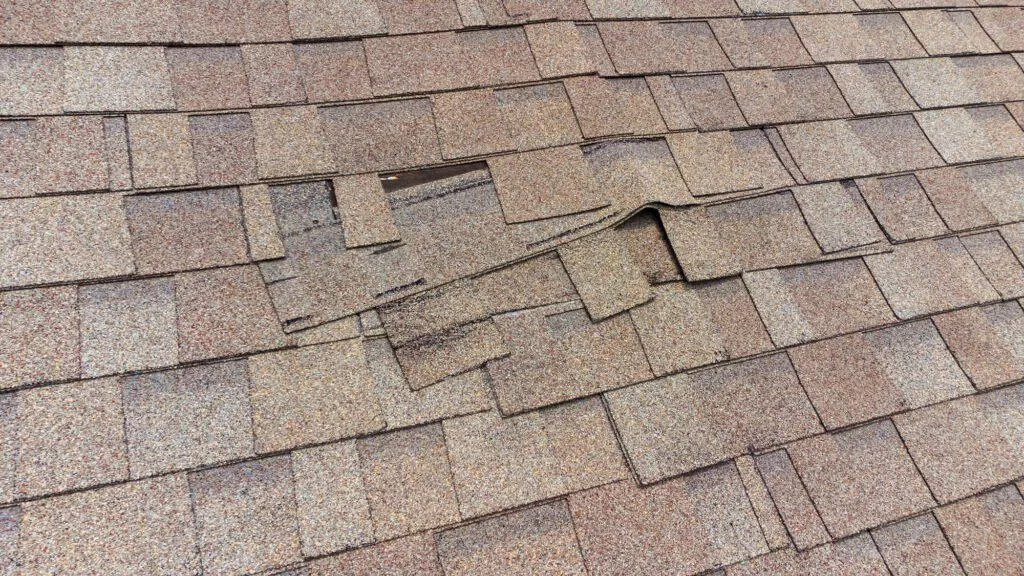
Roof and weatherproofing
Some roof and flashing conditions can be difficult to assess from the ground. The inspection documents conditions observed in accessible areas within the agreed scope.
The short versionSame inspection scope. Different information after months of occupancy.
The four stages of a new build
The 11th-month warranty inspection is the last of four. Each stage of the build covers up the one before it, so we inspect four times. Book them as a set, or book any one on its own.
Moved in already? The first three construction stages may be behind you, while an 11th-month inspection can document conditions that become visible after occupancy. Check your written warranty for coverage and notice timing. See all four new construction inspections.
Licensed, certified and insured
Our inspectors are licensed, insured and continuously trained, and every one is backed by general liability and errors and omissions insurance. These are the credentials behind a warranty inspection report; the full roster of certifications, awards and association memberships is a click away.
 InterNACHIInternational Association of Certified Home Inspectors. Every inspection follows its Standards of Practice.
 Certified Master InspectorThe inspection profession's senior designation.
 ASHIAmerican Society of Home Inspectors. We work to its ethical and operational standards.
 BBB Accredited, A+Better Business Bureau accredited since 2019 with an A+ rating.
 Angi Super Service AwardAwarded for 2025 on verified customer reviews.
 Thumbtack Top ProTop Pro standing on Thumbtack, earned on customer reviews.
- Licensed and continuously trained inspectors
- General liability and errors and omissions insurance
- Every report peer reviewed before it goes out
- Passed the National Home Inspector Examination
See every credential we hold: inspector certifications and accreditations, awards and association memberships.
Builders we have inspected for
We have inspected homes from the production builders working across Northern Virginia, Maryland and Washington, DC, and from regional and custom builders alongside them. Whoever built yours, the inspection is independent of them: we are hired by you, we report to you, and your builder stays responsible for the work and for arranging the permit inspections their jurisdiction requires.




 and many more
11th-month warranty inspections near you
11th-month warranty inspections across Northern Virginia, Maryland and Washington DC, from $350. Select your county or city for local information. Final pricing depends on property type and square footage; confirm your quote, access and written warranty notice timing before booking.
Virginia
From $35011th-month warranty inspection · property-specific quote
Counties we cover
Maryland
From $35011th-month warranty inspection · property-specific quote
Counties we cover
Washington DC
From $35011th-month warranty inspection · property-specific quote
Coverage
11th-month warranty inspections across Washington DC.
Share the property address to confirm coverage and the inspection scope.
11th-month warranty questions
What the inspection covers, when to book it, and what it can and cannot do about your builder's warranty.
What is an 11th-month warranty inspection?
An 11th-month warranty inspection documents accessible systems and components within the agreed inspection scope after months of occupancy. You receive a written report with photographs of observed findings to compare with your builder's written warranty and discuss through its stated process.
Why the eleventh month and not the twelfth?
Builder warranty periods and notice requirements vary. Month eleven is a useful planning point for many customers, but check your written warranty for the actual coverage period, claim process and any notice deadlines. Schedule early enough to receive the report and submit any notice the documents require.
Is the 11th-month inspection less thorough than the pre-settlement one?
No. The difference is timing, not thoroughness. Your inspector checks accessible systems and components within the agreed inspection scope. A pre-settlement inspection sees the home before occupancy; an 11th-month inspection can document conditions that become visible after months of weather, settling and daily use.
Will my builder repair everything the inspection finds?
No. The inspection documents observed conditions; it does not determine warranty coverage. Coverage varies by builder and item, and some findings may be maintenance rather than warranty work. Compare the report with your written warranty, follow its claim and notice steps, and raise coverage questions with the builder.
When will I get the report?
The written report is delivered by email in 24 to 48 hours. Every finding is described in plain language, organized by system and location, and photographed where it is. It is formatted so your builder's team can act on it directly. You can see the format first in our sample reports.
How much does an 11th-month warranty inspection cost?
It is priced like a home inspection, starting from a base that depends on the size and type of the property. You can see the price for your own home when you book online, or ask for a quote if you would rather have the number first.
What if I have already passed the warranty deadline?
Check the deadline and notice terms in your written warranty, then call with your settlement date and the document available. An inspection can still document accessible conditions, but it does not determine coverage or how the builder handles a claim.
Do I still need the other new construction inspections?
Each stage stands on its own and can be booked individually. Foundation and footing, pre-drywall and pre-settlement inspections document conditions visible at those construction stages; an 11th-month inspection documents accessible conditions after occupancy. Earlier stages cannot be recreated after the work is covered. Check your written warranty to plan the later inspection timing.
Where do you carry out 11th-month warranty inspections?
We inspect new construction across Virginia, Maryland, Washington, DC, southern Pennsylvania and West Virginia's Eastern Panhandle. Check your city, county or ZIP code in our service area, or call the office and we will confirm it for your address.
Ready to plan the timing? Schedule the inspection or request a quote, and have your settlement date and written warranty available. Still have a question? Call (703) 450-6398 or see our full FAQ.