Skip to content
Most builder warranties run for the first year after settlement. A full re-inspection of the home you are already living in gives you a written, photographed list of defects to raise with your builder while that warranty is still open.
Or call (703) 450-6398 and we will book it for you.
Most builder warranties run for the first year after settlement. Waiting until month twelve leaves no room: you still need time to submit the claim, and your builder still needs time to schedule the repair. Inspecting in month eleven gives both sides a runway.
The first year after settlement
A full year of weather, settling and daily use reveals what a walk through a brand new home could not. Drywall cracking from foundation movement, sticking doors and grading that has shifted show up after you move in, not before.
"The floor feels uneven" is a conversation. A written report with photographs, locations and an inspector's findings is a record, and it is the difference between describing a problem to a warranty team and handing them a list they can work from.
A defect found inside the warranty period is one you can raise while the builder's obligations under it still stand. A defect found after it has run out is one you are discussing out of goodwill, and usually paying for.
Your inspector treats this as a brand new inspection and checks the home top to bottom, inside and out. It is the whole property again, not a spot check of whatever you happened to notice. Tap any area to see what is checked.
Every system, every room. If it was part of the home your builder delivered, it is part of what we look at. The two earliest stages cover what is exposed at that point instead: the footing forms and site conditions before the pour, and the framing, plumbing runs and electrical routing before the drywall goes on.
Three steps, and the first one is a date rather than a decision: count eleven months from the day you settled.
Step 1
Order it online or call the office. If you are not sure which month you are in, tell us your settlement date and we will work it out with you. Leave room after the visit for the findings to be submitted and a repair to be scheduled.
Step 2
The visit works the same way a home inspection does, because it is one: the roof, the structure and foundation, the attic, the exterior, the basement or crawlspace, the HVAC and water heater, the electrical, the plumbing, the kitchen and laundry, and the interior rooms. Every defect is photographed where it is, so there is no argument about which window, which wall or which run of gutter.
Step 3
The written report is delivered by email in 24 to 48 hours. Every finding is described in plain language, organized by system and location, and photographed where it is, so your builder's warranty team can act on it directly. You can see the format first in our sample reports.
This is not a lesser version of your pre-settlement inspection. The difference is timing, not thoroughness. Your inspector treats it as a brand new inspection and checks every aspect of the home.
What changes is what the house has had a chance to reveal. A pre-settlement inspection sees a home nobody has lived in; an 11th-month inspection sees one that has been through a full year of weather, settling and daily use. It is also the last visit of the four where your builder is still part of the conversation about what it finds.
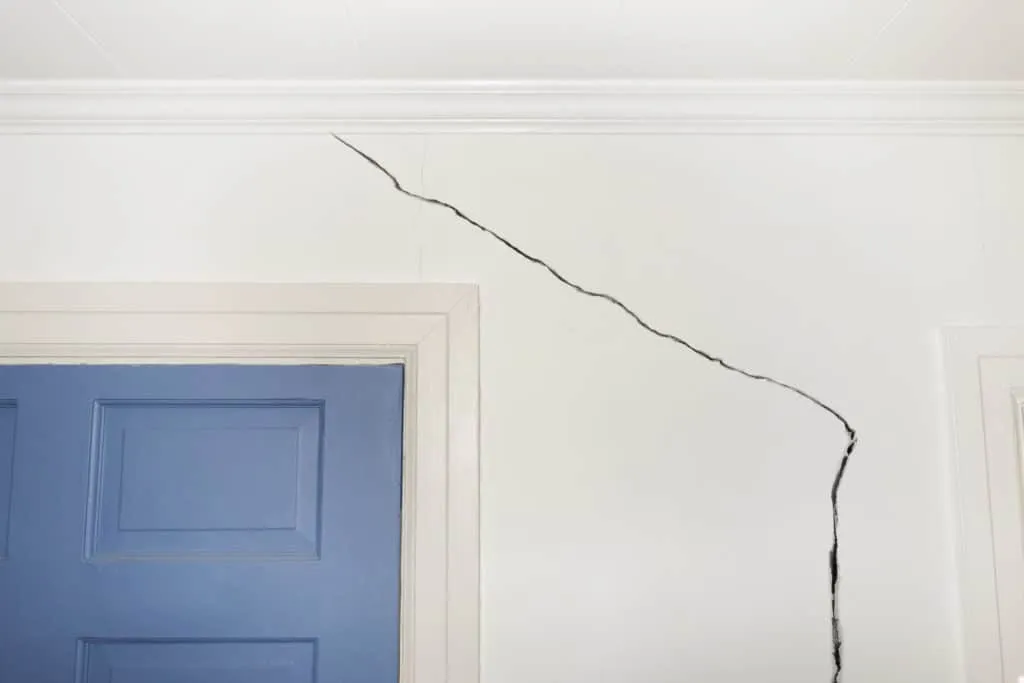
Shows up later
Drywall separating from foundation movement rarely exists on move-in day. It appears over the first year, inside the warranty window.
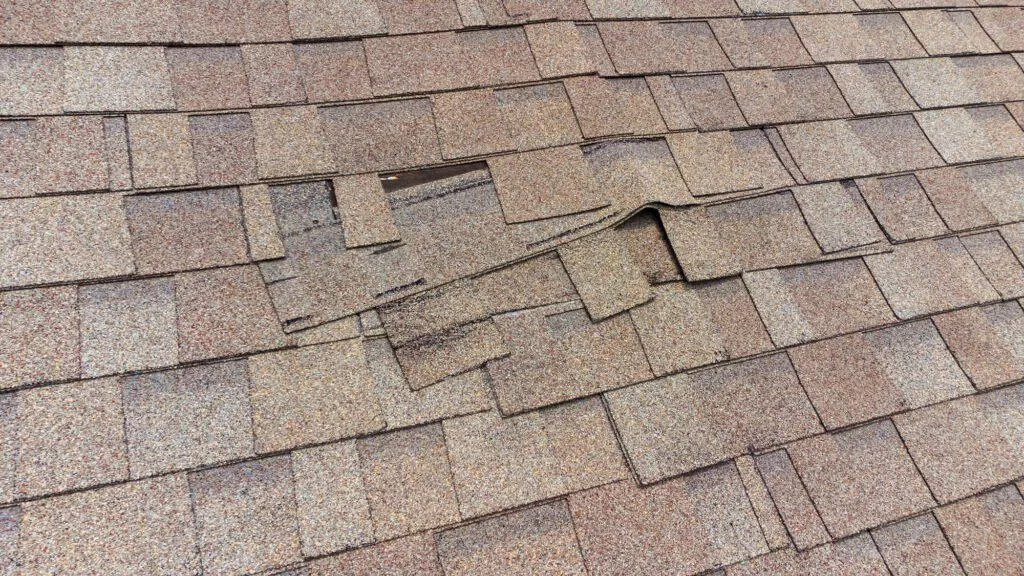
Hard to see from the ground
Lifted shingles and gaps in the flashing are invisible from your driveway and obvious to an inspector, and expensive once coverage lapses.
The short versionSame inspection. Different information. And your last opportunity to work through the results with the company that built the house.
The 11th-month warranty inspection is the last of four. Each stage of the build covers up the one before it, so we inspect four times. Book them as a set, or book any one on its own.
Moved in already? Then three of these are behind you and this is the one that is still open. A stage the build has passed cannot be recreated, which is the whole reason this one exists: it is the last look at the house that your builder is still part of. See all four new construction inspections.
Our inspectors are licensed, insured and continuously trained, and every one is backed by general liability and errors and omissions insurance. These are the credentials behind a warranty inspection report; the full roster of certifications, awards and association memberships is a click away.
 InterNACHIInternational Association of Certified Home Inspectors. Every inspection follows its Standards of Practice.
 Certified Master InspectorThe inspection profession's senior designation.
 ASHIAmerican Society of Home Inspectors. We work to its ethical and operational standards.
 BBB Accredited, A+Better Business Bureau accredited since 2019 with an A+ rating.
 Angi Super Service AwardAwarded for 2025 on verified customer reviews.
 Thumbtack Top ProTop Pro standing on Thumbtack, earned on customer reviews.
See every credential we hold: inspector certifications and accreditations, awards and association memberships.
We have inspected homes from the production builders working across Northern Virginia, Maryland and Washington, DC, and from regional and custom builders alongside them. Whoever built yours, the inspection is independent of them: we are hired by you, we report to you, and your builder stays responsible for the work and for arranging the permit inspections their jurisdiction requires.




 and many more
What the inspection covers, when to book it, and what it can and cannot do about your builder's warranty.
A full re-inspection of your new home in the eleventh month after settlement, carried out for you rather than for your builder. Your inspector treats it as a brand new inspection and works through the whole property: the roof, the structure and foundation, the attic, the exterior, the basement or crawlspace, the HVAC and water heater, the electrical, the plumbing, the kitchen and laundry, and the interior rooms. You receive a written report with a photograph of every finding, which is what a builder's warranty team can act on.
Most builder warranties run for the first year after settlement. Waiting until month twelve leaves no room: you still need time to submit the claim, and your builder still needs time to schedule the repair. Inspecting in month eleven gives both sides a runway. Once the warranty expires, the same defect is simply yours to pay for.
No. The difference is timing, not thoroughness. Your inspector treats it as a brand new inspection and checks every aspect of the home. What changes is what the house has had a chance to reveal: a pre-settlement inspection sees a home nobody has lived in, and an 11th-month inspection sees one that has been through a full year of weather, settling and daily use. Drywall cracking from foundation movement, sticking doors and grading that has shifted show up after you move in, not before.
No, and it is worth being clear about that. What is covered is set by your builder's own warranty documents, not by the inspection. Coverage varies between builders and between items, and some findings will be maintenance rather than warranty work. What the inspection does is establish, in writing and with photographs, what the condition of the house actually is while the warranty period is still open, so the conversation with the warranty team starts from a record instead of a recollection. Read your warranty documents alongside the report, and raise anything you are unsure about with your builder before the period ends.
The written report is delivered by email in 24 to 48 hours. Every finding is described in plain language, organized by system and location, and photographed where it is. It is formatted so your builder's team can act on it directly. You can see the format first in our sample reports.
It is priced like a home inspection, starting from a base that depends on the size and type of the property. You can see the price for your own home when you book online, or ask for a quote if you would rather have the number first.
Call the office and tell us your settlement date. If the period has closed, an inspection still tells you the condition of the house and what to plan for, but the findings would be yours to act on rather than your builder's. If it is close, book quickly: the window has to leave time for the claim to be submitted and a repair to be scheduled, which is exactly why the visit belongs in month eleven rather than month twelve.
Each stage stands on its own and you can book any of them individually. They cover different things because the house is at a different stage each time: foundation and footing before the concrete, pre-drywall before the walls close up, pre-settlement before you sign, and this one before the builder's warranty ends. Booking more of them leaves fewer blind spots, and a stage the build has already passed cannot be recreated. If you are reading this in your eleventh month, this is the one that is still open.
We inspect new construction across Virginia, Maryland, Washington, DC, southern Pennsylvania and West Virginia's Eastern Panhandle. Check your city, county or ZIP code in our service area, or call the office and we will confirm it for your address.
Still have a question? Call (703) 450-6398 or see our full FAQ.