A leak, recurring dampness or an unexplained odor is a reason to investigate the conditions. Start by recording where and when you noticed the concern, what was repaired and whether it returned.
An observation is a starting point. A stain, smell or humidity reading alone does not establish the source or the extent of mold. This guide explains what to document and when a scoped assessment may help.
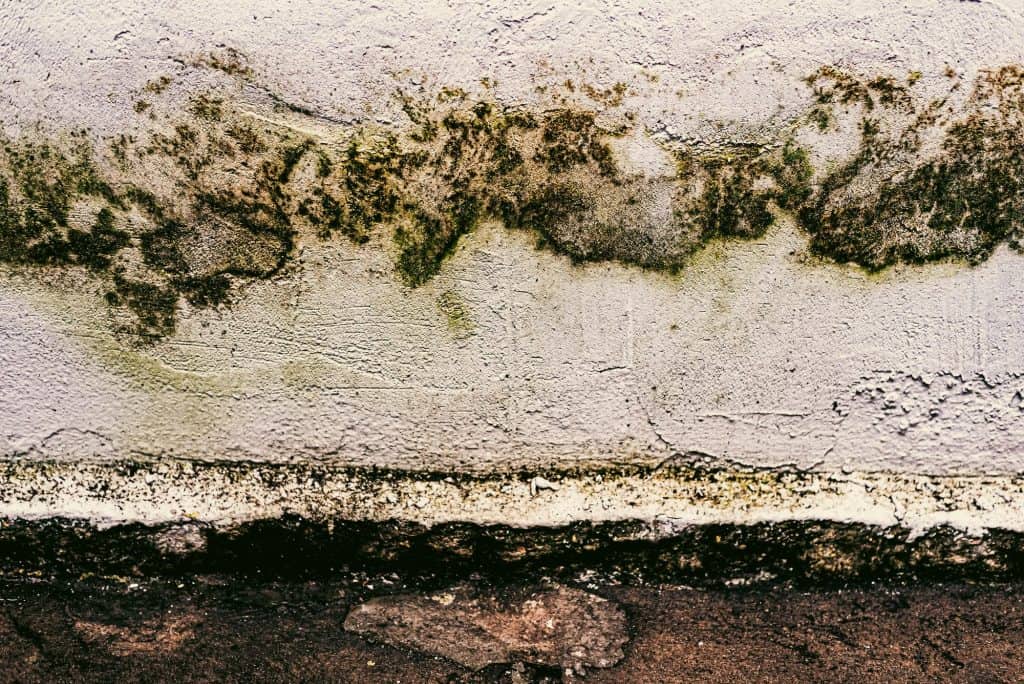
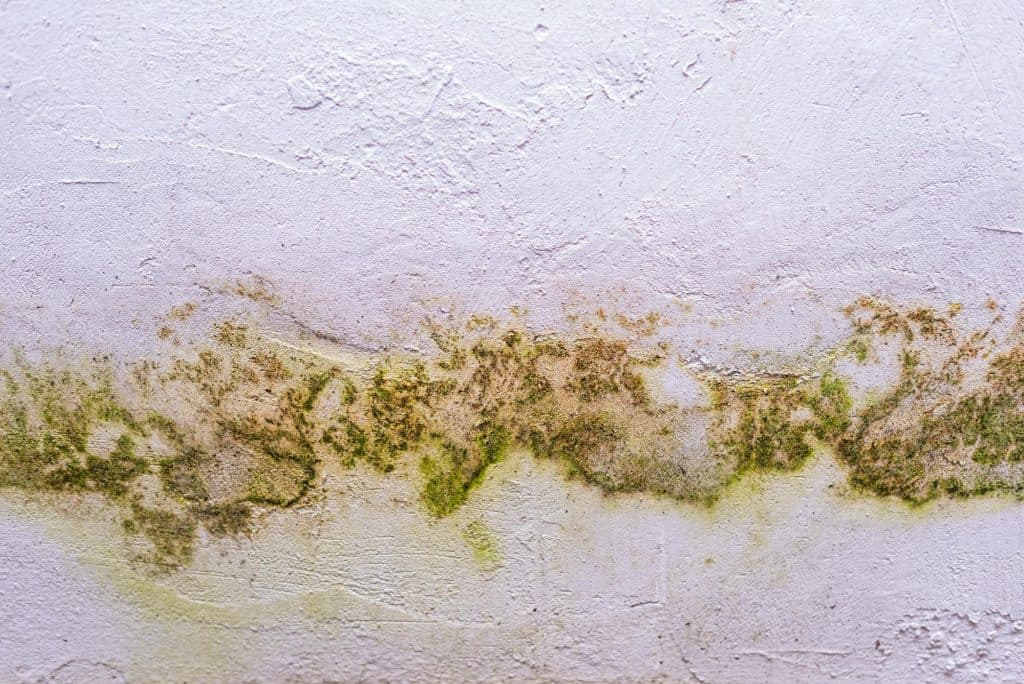
A macro shot capturing the intricate patterns of mold growth on an aged wall surface.
When to Test for Mold in a Home
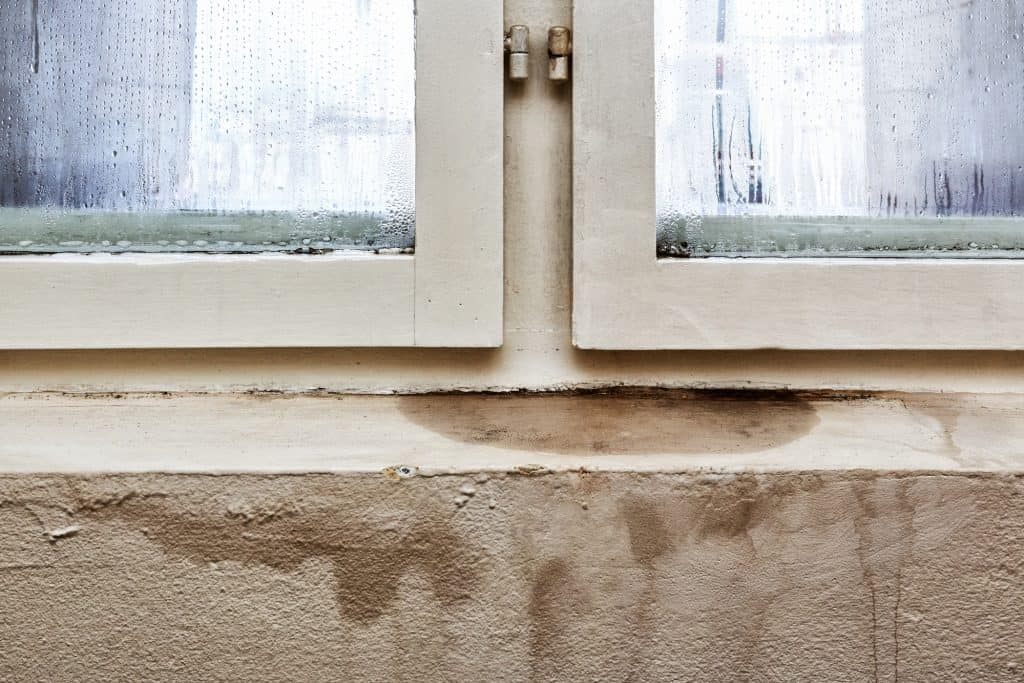
extured wall with discoloration, mold, and water stains, highlighting building maintenance concerns.
Start with the question you need answered
Describe any active leak, persistent musty odor, recurring damp area or visible growth. Note its location and whether it changes after rain or when equipment runs. A clogged fixture or temperature change alone does not establish a mold problem.
Visible mold usually does not require sampling, according to EPA’s sampling guidance. Address the water problem and ask what additional information an assessment or particular sample would provide.
Signs of Water Damage
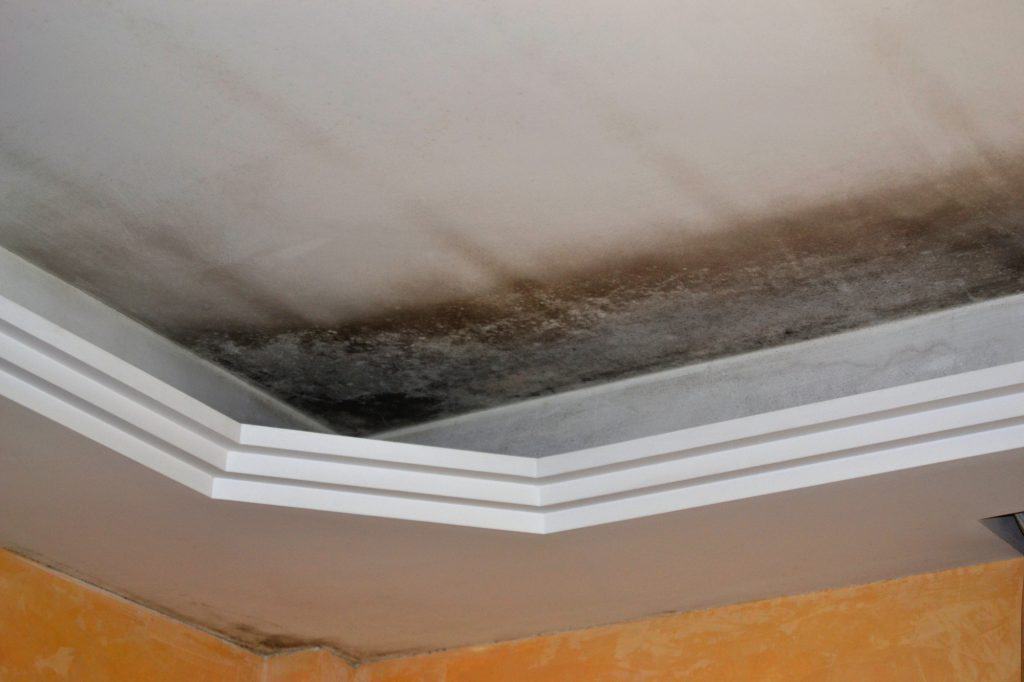
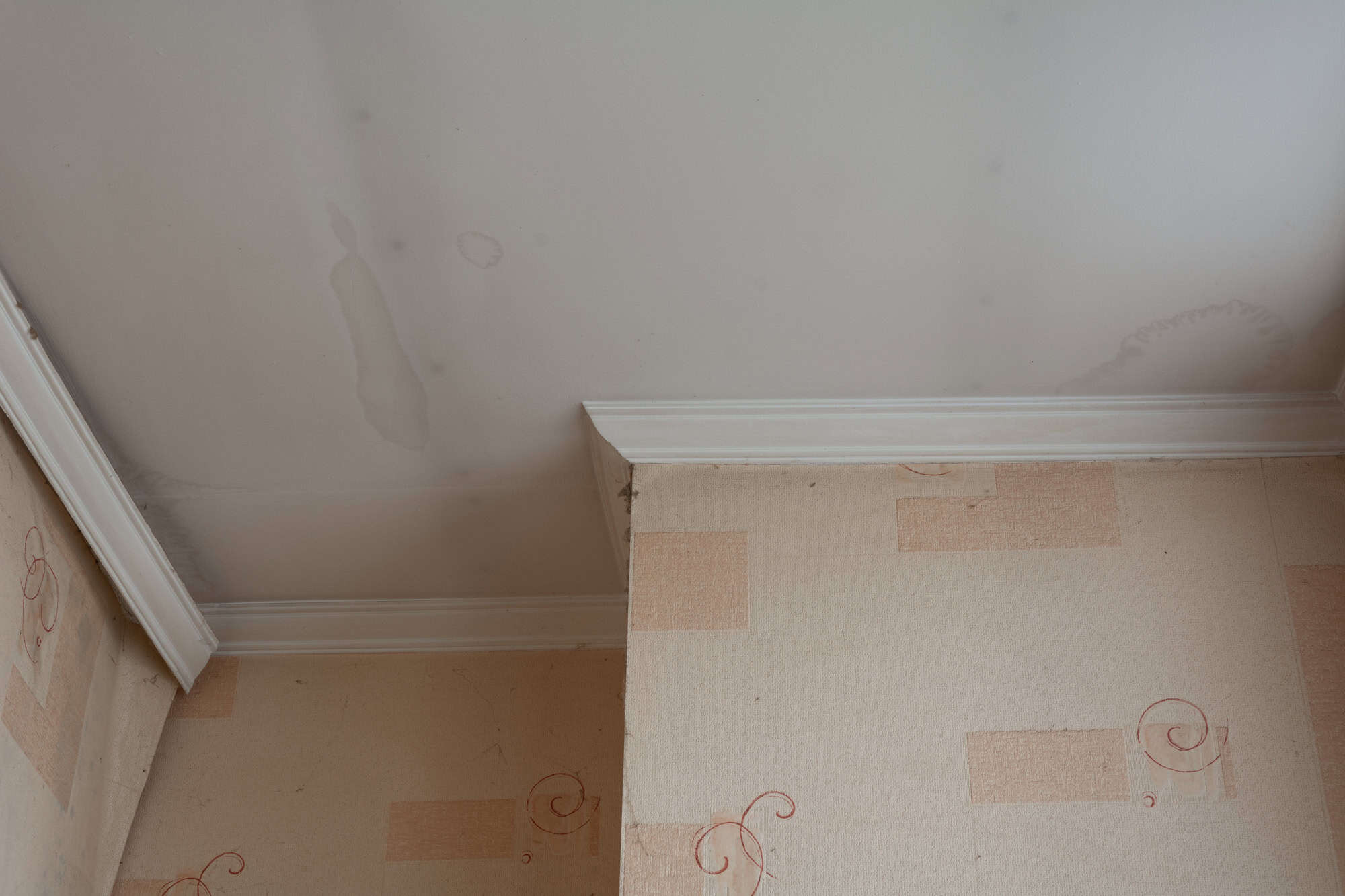
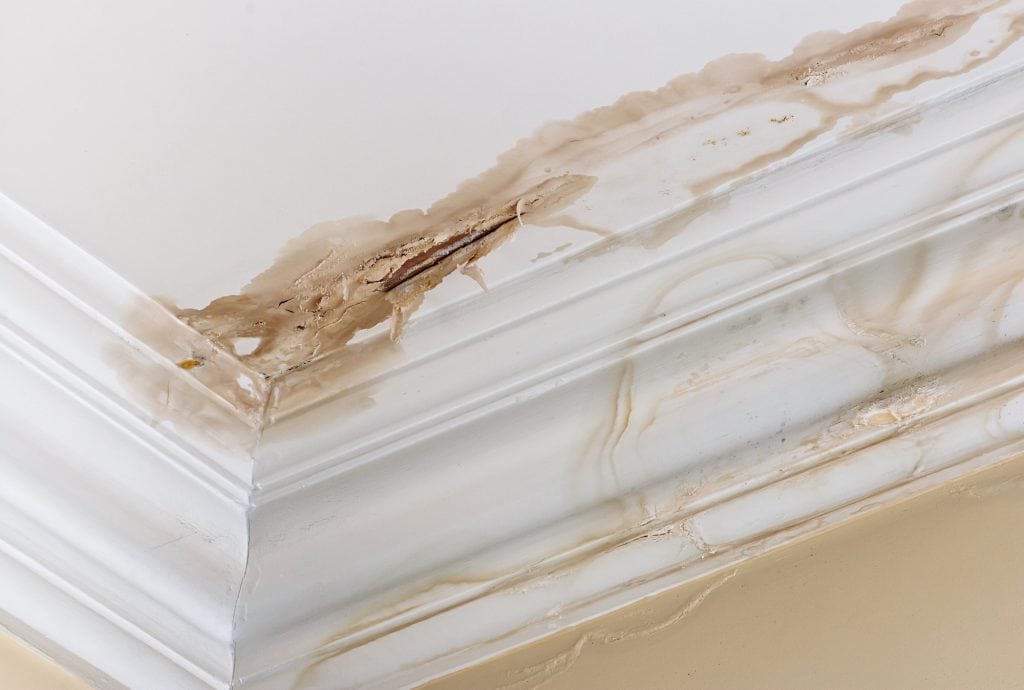
Image of a ceiling with extensive mold growth, contrasting with the white decorative molding, suggesting water intrusion and maintenance concerns.
Wet materials, recurring stains and a musty smell are useful observations to report. They do not identify the cause by themselves. Keep photographs and repair records, and arrange help with an active leak or damaged material.
HVAC System and Ventilation
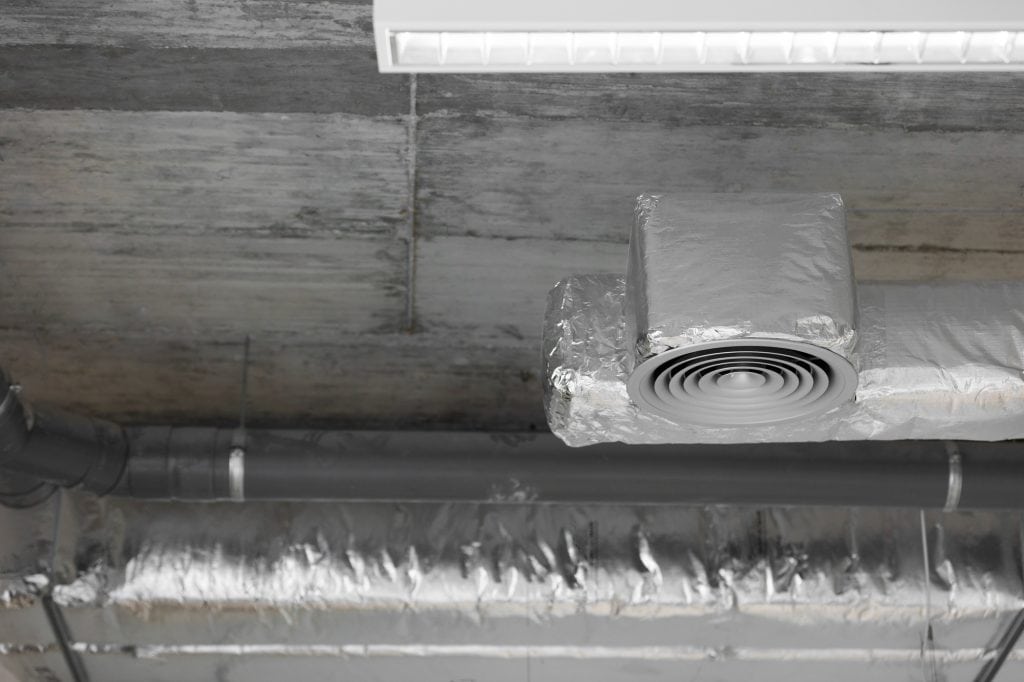
Exposed HVAC system and concrete ceiling.
Cooling, ventilation and humidity are related, but poor equipment performance does not by itself prove mold or mean the HVAC system needs replacement. Have the relevant equipment and moisture concern evaluated.
Explain any persistent humidity, condensation, drain-pan issue or visible growth near equipment. Ask the service professional about the appropriate next step before changing equipment operation for a test.
Basements and Crawl Spaces
Basements and crawl spaces may have moisture from leaks, drainage, condensation or other sources. An odor can justify further investigation even when the source is not visible.
Check only areas you can reach safely. Record where moisture appears and whether it follows rain or plumbing use. Darkness alone does not determine whether mold will grow.
An assessment should address the moisture history and accessible conditions first. Sampling may help answer a defined question, but is not the automatic first response to every basement odor.
Check for Puddles of Water
Record where standing water appears and when it occurs. A puddle can have several causes; its appearance does not tell you when a leak began or which building component is responsible.
Changes in tap-water color are a separate water-quality or plumbing concern. Describe them to the appropriate provider or professional instead of using water color as a mold test.
Look for Discoloration
A wall or ceiling stain may reflect an old repair, current moisture or another cause. Note whether the area is wet now and whether the mark has changed. Color alone does not identify mold.
Record other observations such as a recurring odor or a known leak nearby. Avoid disturbing a suspect surface or opening a wall simply to confirm what a stain means.
Check for Drip Marks
Mold growth on ceiling due to moisture and poor ventilation; signs of water intrusion.
Drip marks, wet surfaces and recurring condensation can help describe a moisture pattern. Record the location and timing, and arrange repair of an active water source.
A dehumidifier removes moisture from the air. If it runs frequently, that may warrant checking humidity and moisture sources; the running time alone does not establish mold. Maintain and drain it according to its instructions.
Condensation can occur when moist air reaches a cold surface. Discuss recurring condensation and humidity readings with the relevant professional instead of assuming a specific hidden defect.
Moisture control and mold evaluation are related but different tasks. A sampling result does not repair a leak or determine which plumbing or building work is needed.
Look Out for Rotting Materials
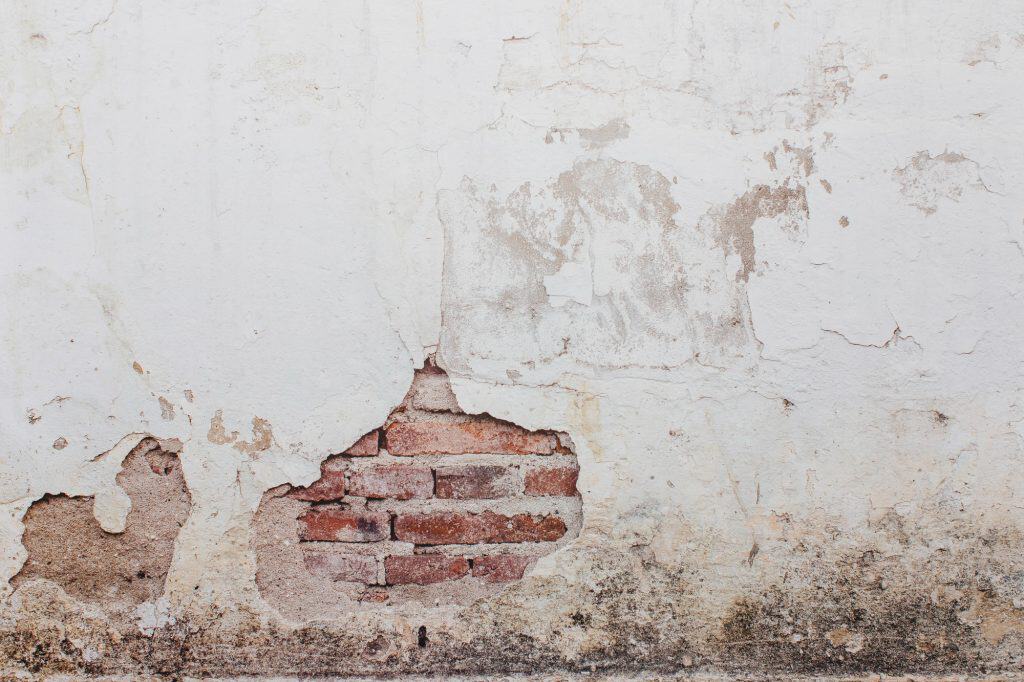
Weathered wall with peeling paint and visible brickwork; rustic architectural detail.
Soft, crumbling or damaged material calls for an appropriate assessment. Avoid stepping on, pressing into or opening damaged areas to inspect them yourself.
Address the source of water and the affected materials. EPA’s homeowner guide explains moisture control and when professional cleanup help may be appropriate.
Use ventilation or dehumidification appropriate to the conditions. Opening windows on a humid night can add moisture; follow the advice for the building and equipment rather than a fixed nightly routine.
Describe Odors and Visible Growth
Petri dishes with mold cultures in a microbiology lab; fungal growth analysis.
Record the location of a recurring odor or suspect growth and its moisture history. Use an assessment and, where useful, a documented sampling plan to investigate the concern. Do not infer mold from the color of a cotton ball or a blacklight response.
Check for Bulging Walls or Ceiling
A bulging wall or ceiling may involve water or material damage. Keep clear of an area that appears unstable and arrange a qualified assessment. The shape of the surface does not establish mold or a health diagnosis.
Explain any active water entry and changes in the material. Ask what access or repair work is appropriate before disturbing the area or applying a treatment.
When Should You Call a Professional?
Seek experienced help when the source is unclear, the problem recurs or affected areas cannot be evaluated safely. Describe the history and access limits when arranging the visit.
Cleanup needs depend on the amount of damage, affected materials and water source. Testing and remediation are different services; confirm who will address each part of the work.
If you have health concerns, consult a healthcare professional. A building observation or laboratory sample cannot determine an individual’s health risk.




 Skip to content