



Foundation & Footing Inspection
Before concrete conceals the footing, an independent pre-pour inspection documents accessible forms, reinforcement and site conditions, so you have a written record to raise with your builder while the work is still exposed.
Or call (703) 450-6398 and ask for a pre-pour inspection.
Why inspect before the pour
Every other part of the house sits on this one. Footings transfer loads from the structure to the ground, and reviewing visible work before it is covered gives you a record of observed conditions and questions to resolve with your builder before the next construction stage.
Load transfers down
Visible before concrete conceals it
An independent set of eyes
We document visible concerns within the agreed inspection scope. Your builder remains responsible for the work and for arranging required permit inspections and approvals.
Questions raised early
A concern about exposed reinforcement, forms or standing water is easier to discuss when everyone can see it. The report helps identify what needs a builder response or further evaluation.
Access changes after concrete
Concrete conceals reinforcement and parts of the footing preparation. Later evaluation and repair can be possible, but may require additional investigation, access or specialist work.
What a pre-pour inspection can review
The items we can inspect depend on the construction stage, available drawings and safe access. Confirm the scope before booking; later-stage waterproofing or completed foundation walls may require a separate visit.
Footing forms
- Width
- Depth
- Condition
Footing
- Exposed dimensions
- Available drawings
Reinforcement
- Visible bars
- Placement
Soil and grading
- Visible ground conditions
- Grading
Waterproofing
- Where installed and accessible
Layout
- Visible layout
- Available drawings
What we need before we can inspect
Send the property address, construction stage, builder contact and proposed pour date with your request. Coordinate permission and safe access, and have these project details ready:
- Number of storiesHelps us understand the planned structure; this is not a load calculation.
- Type of exterior sidingProvide the planned exterior materials with the project information.
- Permit drawingHave the approved permit drawings available on site or send them in advance. Tell us if they are unavailable so we can confirm the scope.
How a pre-pour inspection works
Three steps, and the first one is a conversation about how far along the build actually is.
Step 1
Confirm the stage, drawings and access
Tell us the property address, the construction stage, your builder contact and the expected pour date when you request a quote. Our team will confirm service availability, access, drawings and the inspection scope, and coordinate permission and safe access with your builder.
Step 2
Review accessible work before it is covered
Your inspector reviews the footing forms, the footing itself, visible reinforcement, soil and grading conditions, accessible waterproofing and the visible layout, within the agreed scope and against the drawings you supply. What can be inspected depends on the stage the build has reached and on safe access to the work.
Step 3
Document observations and next steps
You receive written findings and photographs of observed conditions, with any access limitations and recommended next steps set out alongside them. Share them with your builder and request a response before the work is covered; if a follow-up visit or a specialist evaluation is appropriate, we will confirm its scope and fee before booking.
Coordinate before concrete is placed
Contact us when your builder can confirm that the work will be ready and exposed. Allow time to review the findings and discuss any follow-up before concrete placement.
Pour dates and site conditions can change. Keep your builder and our team informed, and confirm the appointment before relying on a particular inspection window. A later inspection cannot reproduce the same view of covered work.
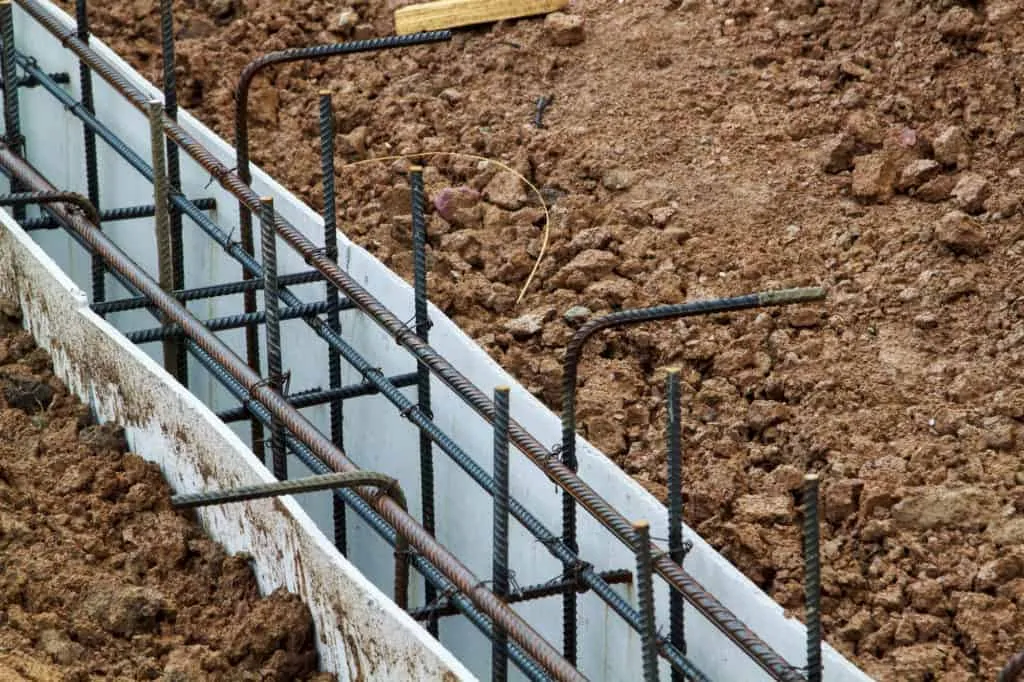
Now, measurable
Checking the footing forms
Exposed dimensions and visible conditions can be documented for discussion with the builder before concrete placement.
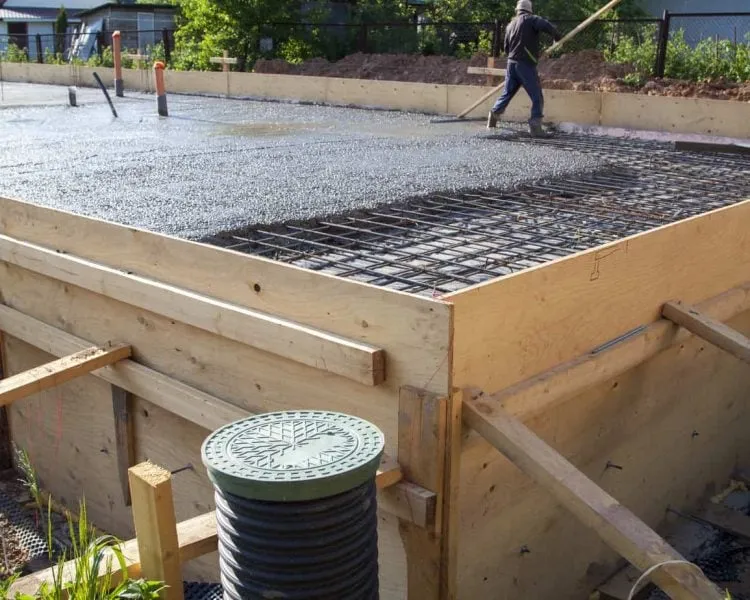
During concrete placement
The pour
Concrete covers reinforcement and the prepared base. Later inspections address the conditions that remain accessible at that stage.
The short versionBook around the stage of construction, with access and scope confirmed. Required jurisdiction inspections remain a separate part of the build.
The four stages of a new build
Foundation and footing is one of four inspection stages. Each visit reviews the conditions accessible at that point in the build or warranty period. Book them as a set, or book any one on its own.
Already under contract? Tell us the current construction stage, planned closing date and any written warranty deadlines. We can help confirm which visits fit the work that remains accessible. Completed or concealed work may limit the earlier-stage inspection scope. See all four new construction inspections.
Licensed, certified and insured
Our inspectors are licensed, insured and continuously trained, and every one is backed by general liability and errors and omissions insurance. These are the credentials behind a pre-pour report; the full roster of certifications, awards and association memberships is a click away.
 InterNACHIInternational Association of Certified Home Inspectors. Every inspection follows its Standards of Practice.
 Certified Master InspectorThe inspection profession's senior designation.
 ASHIAmerican Society of Home Inspectors. We work to its ethical and operational standards.
 BBB Accredited, A+Better Business Bureau accredited since 2019 with an A+ rating.
 Angi Super Service AwardAwarded for 2025 on verified customer reviews.
 Thumbtack Top ProTop Pro standing on Thumbtack, earned on customer reviews.
- Licensed and continuously trained inspectors
- General liability and errors and omissions insurance
- Every report peer reviewed before it goes out
- Passed the National Home Inspector Examination
See every credential we hold: inspector certifications and accreditations, awards and association memberships.
Builders we have inspected for
We have inspected homes from the production builders working across Northern Virginia, Maryland and Washington, DC, and from regional and custom builders alongside them. Whoever is building yours, the inspection is independent of them: we are hired by you, we report to you, and your builder stays responsible for the work and for arranging the permit inspections their jurisdiction requires.




 and many more
Foundation inspection questions
What a pre-pour inspection covers, when to book it and what you get at the end of it, in plain language.
What is a foundation and footing inspection?
An independent visual inspection of a new home's footing preparation before concrete conceals it, also called a pre-pour inspection. Within the agreed scope we review the footing forms, the footing itself, visible reinforcement, soil and grading conditions, accessible waterproofing and the visible layout, then document what was observed in writing with photographs. It is carried out for you rather than for your builder.
When should I schedule it?
Contact us when your builder can confirm that the work will be ready and exposed, and allow time to review the findings and discuss any follow-up before concrete placement. Pour dates and site conditions change, so keep your builder and our team informed and confirm the appointment before relying on a particular inspection window. A later inspection cannot reproduce the same view of covered work.
What do you need from me before the inspection?
The property address, the construction stage, your builder contact and the proposed pour date, along with permission and safe access coordinated with the builder. Have the number of stories and the planned exterior siding materials ready, and the approved permit drawings either available on site or sent in advance. Tell us if the drawings are unavailable so we can confirm the scope.
How much does a foundation or footing inspection cost?
The fee depends on the property, construction stage, inspection scope and access. Request a foundation inspection quote with the address, available drawings and proposed pour date. Confirm any separate specialist work or follow-up visit before booking.
What if the home is already built or the concrete has been poured?
The pre-pour scope above applies to exposed work during construction. For an existing home's cracks, settlement or moisture concerns, review our Foundation Inspection service and describe what you are seeing when you request a quote. Our team will confirm the appropriate service and accessible scope. An engineering opinion or structural calculation requires a separate qualified professional.
Does this replace a permit inspection or structural engineering report?
No. This is an independent visual inspection within the agreed scope. Your builder must still arrange required jurisdiction inspections. Structural design or capacity certification requires a separately qualified professional. For a local example, see Fairfax County's foundation and footing permit process.
What is in the report, and what is not?
The report records concerns observed during the visit, with photographs, any access limitations and recommended next steps. It cannot identify every defect or evaluate work that is concealed, incomplete or unsafe to access, and this visual inspection does not certify structural capacity, soil bearing capacity or engineering design. A structural or geotechnical question may need a separate qualified specialist.
Do I still need the other new construction inspections?
Each stage can be booked individually and reviews the work accessible at that time: foundation and footing before concrete placement, pre-drywall before the walls close up, pre-settlement before closing, with access confirmed, and the 11th-month warranty inspection before applicable written warranty deadlines. Tell us the current construction stage so we can confirm which inspections are still appropriate. Completed or concealed work can limit the scope of an earlier-stage visit.
Can I book this service in Virginia, Maryland or Washington, DC?
Send us the property address and construction stage so we can confirm service availability for your project. Review our service coverage map and new construction inspection options. Confirm access and timing with the builder before the appointment is finalized.
Still have a question? Call (703) 450-6398 or see our full FAQ.