


Electromagnetic Fields by InterNACHI

This article originally credited InterNACHI. NextDay Inspect updated the guidance below in October 2026; the editorial updates should not be read as statements by the original contributor.
Electrical wiring, appliances and wireless equipment produce different kinds of electric and magnetic fields. Electric-field strength is commonly measured in volts per meter (V/m), while magnetic flux density may be reported in microtesla or milligauss (mG). The source, frequency, distance and equipment operating at the time affect how a reading should be interpreted.
The National Cancer Institute explains the distinction between ionizing and non-ionizing radiation. Ordinary electrical and wireless sources produce non-ionizing fields, which do not directly damage DNA in the way ionizing radiation can. Research into possible health associations continues; a property survey measures fields, not a person’s health.
Reducing Time Spent Near EMF Emitters
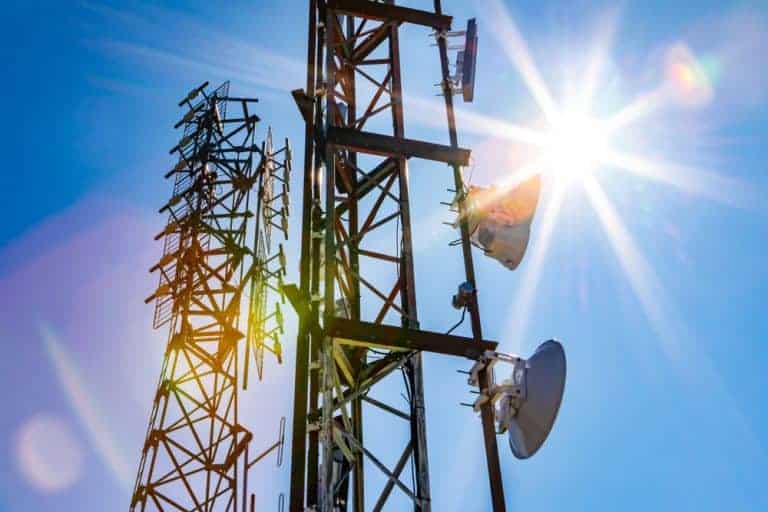
NDI editorial update, October 2026: Some people report symptoms they associate with electromagnetic fields. The World Health Organization explains that these symptoms can be real and distressing, but scientific evidence has not established EMF exposure as their cause. Persistent symptoms deserve assessment by a qualified healthcare professional.
Increasing distance from an electrical source generally reduces field strength. A property measurement can document readings at particular locations under the conditions observed; it cannot diagnose symptoms or determine an individual medical risk.
What "Prudent Avoidance" Means for EMF Safety
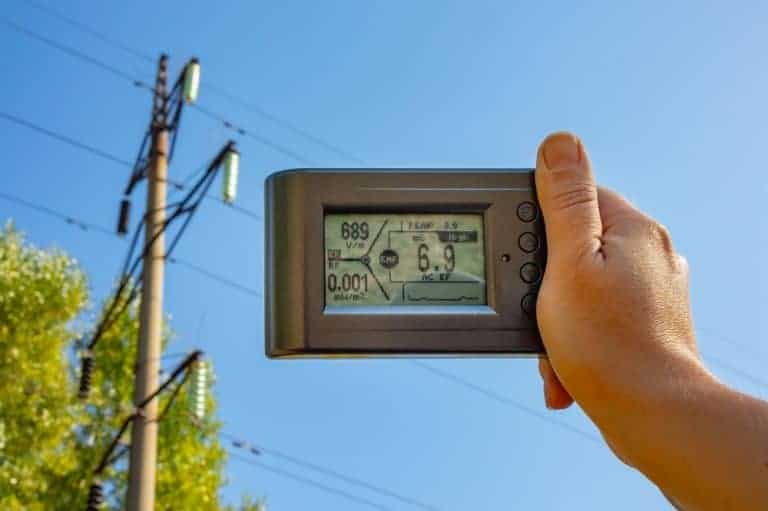
NDI editorial update: A useful EMF survey starts with the question you want answered, such as how readings differ between a work area and a nearby electrical source. Record the locations, equipment in use and measurement units so the results have context.
- Ask which types and frequencies of fields the instrument measures. A magnetic-field reading is not a complete measurement of every kind of electromagnetic radiation.
- Compare readings only with guidance appropriate to the field type, frequency and measurement method. A single number such as 2.5 mG is not a universal boundary between safe and unsafe conditions.
- Do not alter wiring or electrical panels yourself. Refer electrical defects to a qualified electrician, and discuss health symptoms with a healthcare professional.
For background on the evidence and exposure guidance, see the WHO electromagnetic-fields questions and answers.
For property measurements in Virginia, Maryland or Washington, DC, explore our electromagnetic field testing service and request a quote. The visit documents field readings at agreed locations; it does not diagnose symptoms or certify a property as free of health risk.