Ductwork Scoping

Check Your Duct for Damages, Disconnections, and Dirt

Ducts carry heated and cooled air through your home. Damaged or disconnected sections can affect comfort and waste conditioned air. NextDay Inspect provides ductwork scoping to document conditions in the areas we can access, including visible damage, disconnections and debris. The findings can help you decide whether an HVAC professional should evaluate repairs or other next steps.

Ductwork from HVAC system

Request For Ductwork Scoping

What can cause your ductwork to work inefficiently?

Leaks, loose connections and damaged duct sections can affect air delivery. Uneven room temperatures can also have other causes. Scoping helps document accessible duct conditions so that observed concerns can be discussed with an HVAC professional.

What are the effects of having dirt in your ductwork system?

Whether cleaning is useful depends on the observed conditions. EPA recommends cleaning ducts only as needed, rather than as routine maintenance. An inspection can document accessible damage, debris or other concerns so an appropriate next step can be discussed.

Indoor Air Quality Considerations

Dirt inside ducts does not by itself establish a health problem. EPA has not found that duct cleaning prevents health problems. Scoping documents accessible duct conditions; it does not diagnose symptoms. Discuss unexplained symptoms with a healthcare professional.

If your concern calls for indoor-air testing, review our air quality testing service and confirm the testing scope before scheduling.

HVAC Performance Concerns

An HVAC professional can assess airflow and the condition of the system components. EPA notes that cleaning some components may improve performance, but evidence that cleaning only the ducts improves efficiency is limited.

Stained Carpet

Staining alone does not identify its cause. A site inspection is needed to assess the condition and any related air movement.


Dirty ductwork

Request For Ductwork Scoping

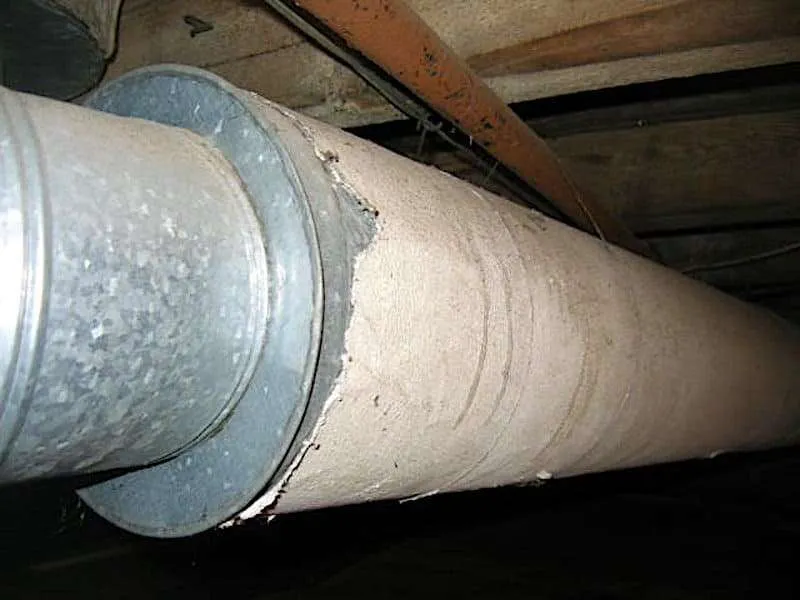
Basement ductwork

What are the effects of Damages in your ductwork system

Scoping can document visible damage in accessible duct sections. The significance of a finding depends on its location and condition; an HVAC professional can assess repair options and system performance.

Restricted Air Delivery

Damaged or kinked sections may affect air delivery and room comfort. Further HVAC evaluation can help identify the cause.

Moisture Concerns

Moisture in a duct system needs evaluation. EPA identifies leaks, installation or servicing problems, and condensation as possible sources. Moisture can support mold growth; scoping alone does not identify a substance as mold.

Noise Concerns

Unusual HVAC noise needs investigation. It does not, by itself, establish duct damage or equipment failure.

Request For Ductwork Scoping

Holes and Disconnections in Your Ductwork.

Some duct sections are concealed or otherwise inaccessible. Scoping can help document visible holes and disconnected sections where access allows. These conditions may affect the system in several ways.

Room Comfort

Leaks and disconnected ducts can contribute to rooms that are difficult to heat or cool.

Energy Use

Lost conditioned air can increase energy use. Actual costs depend on the home, equipment and extent of leakage.

Equipment Evaluation

Uneven temperatures alone do not establish that equipment will fail sooner. An HVAC professional can assess the system.

Air Leakage

Holes and loose connections can allow conditioned air to escape before reaching the intended rooms.

Moisture Evaluation

If moisture is observed, its source and appropriate next steps need assessment.

Learn more in ENERGY STAR’s duct-sealing guidance.

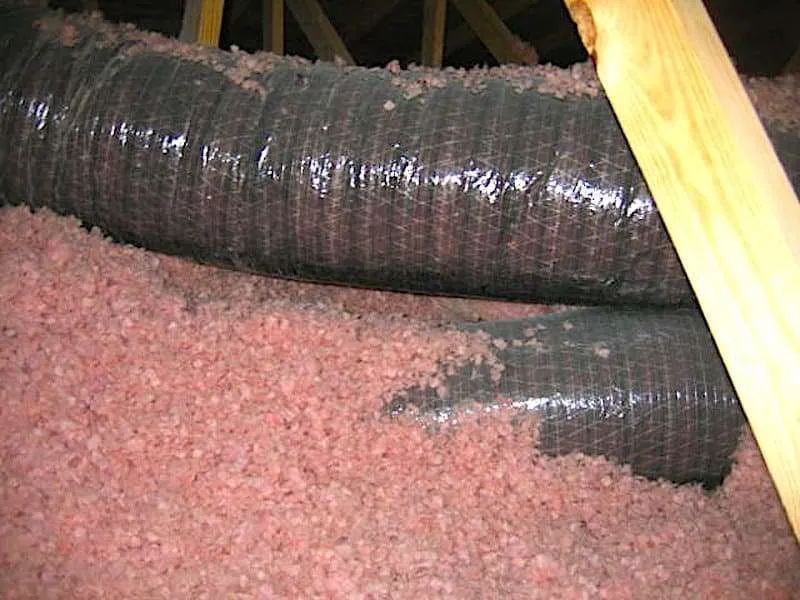
Attic ductwork

Request For Ductwork Scoping

Take a Look at a Sample Report

Get an idea of the format and items that would be listed under a Mold & Moisture Testing Report.

Call Schedule