Testing for mold growth—ensuring a safe and healthy environment.
Mold can have different colors and textures, and moisture often provides useful context. A stain or musty odor is worth investigating, but neither identifies a particular mold or an individual’s health risk. Start with what you can observe safely and the history of the affected area.
What Does Mold Look Like in a House?
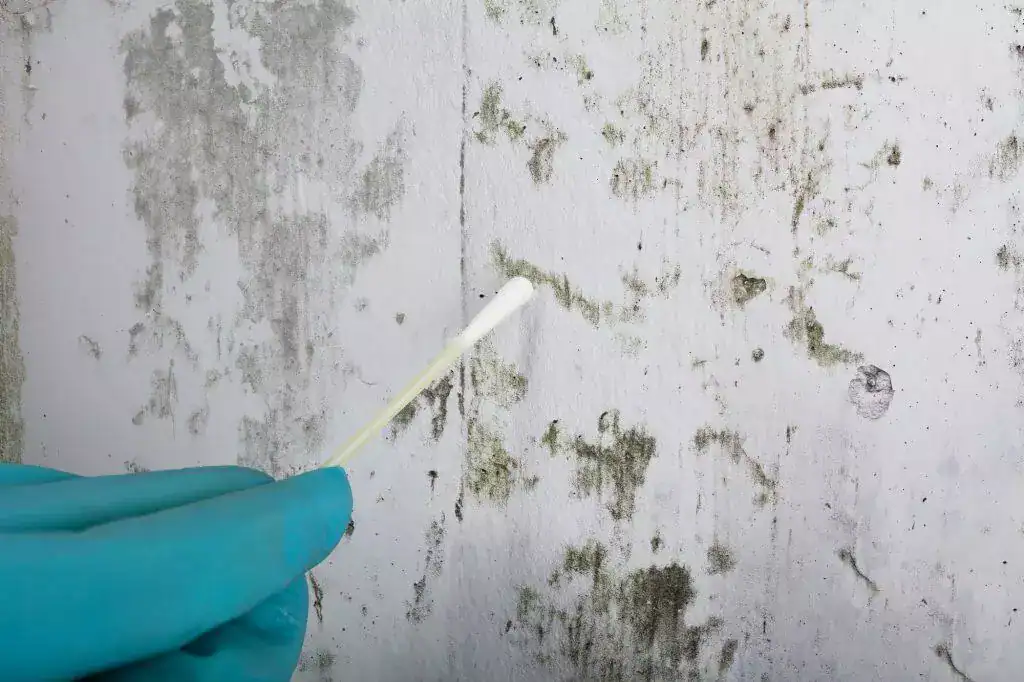
Visible growth may appear as spots, patches or a textured surface. Other marks can have different causes, so color alone does not identify mold. Note any recurring dampness, leak history or musty odor along with the appearance.
Mold infestation on a wall corner near a window, highlighting the need for immediate remediation.
How Do You Know If You Have Mold in Your House?
Check accessible areas where moisture has been reported, such as below sinks and around windows. Do not remove wall coverings or disturb suspect material simply to look behind it.
Rusty stains and grime accumulate around the sink's plumbing in a neglected bathroom corner.
What Causes Mold Growth?
Mold spores occur in indoor and outdoor air. Growth can develop when suitable materials stay damp. Moisture control is central to preventing the problem from returning.
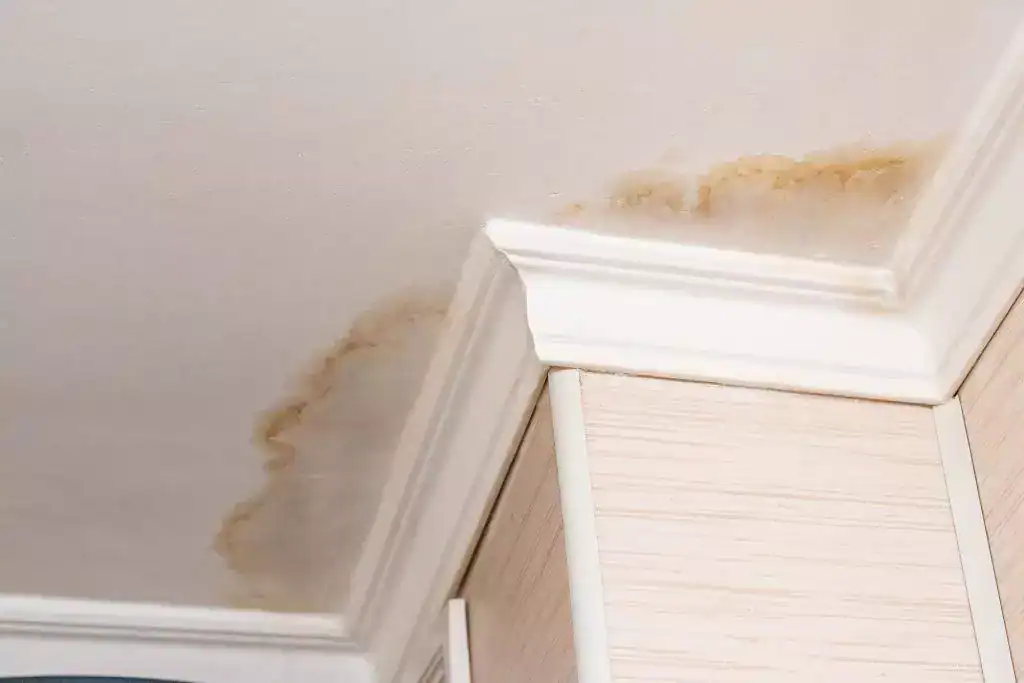
Leaks, condensation and persistent humidity can affect many parts of a home. Investigate the water source and affected materials instead of assuming the problem is limited to a dark room.
Water damage in action—rotting wood and moisture stains signal a serious repair ahead.
Indoor Air Quality and Mold Growth
An air or surface sample describes what was collected at that location and time. It does not characterize every room, concealed space or future condition of a building.
Controlling moisture helps prevent growth, but drying a material does not by itself complete cleanup of existing mold. The appropriate work depends on the material and extent of damage.
Mold can cause allergic reactions or irritation in some people. If you have symptoms or health concerns, consult a healthcare professional rather than diagnosing the cause from a building’s appearance.
A mold sample is not a medical diagnosis or a guarantee that a property is safe for every occupant. EPA’s homeowner guide explains the role of moisture control, cleanup and professional advice.
A professional inspects a wall for mold growth using a moisture meter.
Signs of Mold Growth in the Home
Useful observations to document include:
Recurring spots, patches or changes in texture on a surface.
A persistent musty odor, including its location and timing.
Wet or previously damaged material and any known leak or condensation history.
A close-up of a dirty, stained shower corner with discolored tiles and grout.




 Skip to content