


What is a Property Condition Assessment?
Property Condition Assessments (PCAs) are an important yet often overlooked element of real estate transactions. This comprehensive guide provides the information and resources you need to understand what a Property Condition Assessment entails, how it compares with other assessments, and when such an assessment is required in order to ensure adverse conditions don’t surprise buyers or sellers during a transaction. Whether you’re a buyer hoping for better insight into purchasing property or a seller looking for ways to maximize your investments, this guide will provide the essential information you need to know about PCAs.

A Property Condition Assessment (PCA) is an important evaluation used during real estate transactions. It provides insight into the overall condition of a property and helps both buyers and sellers understand what they are buying or selling. A PCA evaluates the physical aspects of a property, including any structural components such as walls, floors, ceilings and insulation; operational systems like plumbing, mechanical and electrical services; interior finishings; exterior features like landscaping and more. The agreed scope determines how systems such as fire protection are reviewed; a baseline PCA is not a comprehensive code-compliance certification. A PCA supports due diligence for commercial property by documenting observed physical conditions. A home inspection also evaluates physical condition; an appraisal estimates market value. These services answer different questions. Confirm any lender’s requirements, assessment standard and report scope before ordering. Therefore, it is beneficial for both parties in terms of pricing negotiations but also risk management should any adverse conditions suddenly appear after closure on the property has occurred.
Planning a commercial purchase or lease? Explore our commercial building inspection services and confirm the assessment scope with our team.
References: ASTM E2018 property condition assessment guidance and ASHI’s explanation of a home inspection.
When is a Property Condition Assessment Required?

Property Condition Assessments (PCAs) are an important part of real estate transactions and provide buyers with detailed insight into the condition of a property before purchasing and sellers assurance that no surprises will come up during a transaction. PCAs are conducted by experienced professionals who investigate key aspects of the home, such as physical components, to identify any issues or potential trouble spots. Reports from these assessments can be used by both buyers and sellers to discuss potential problems not easily identifiable during normal inspections, such as safety factors contributing to upgrades needed within existing materials or systems.
Besides identifying any problems or developing areas, PCAs also work in favor of the buyer in validating that conditions they have seen while touring prior match what is ultimately found within the assessment report. Such reports help eliminate uncertainty that prospective purchasers may experience when undergoing due diligence prior finishing out their agreement with a seller on terms. Sellers can use PCA results to outline necessary improvements costs if any exist so they know what needs addressed prior listing their investment publicly for sale without surprise hidden costs appearing down the line which could affect offers from respective bidders coming through negotiations.
Different Types of Property Assessments

Property Condition Assessments (PCAs) are an important part of many real estate transactions. There are several different types of assessments that can be conducted on a property, and it is important to understand the differences between them in order to maximize the value generated by each assessment. The most common type of Property Condition Assessment is a physical inspection of the premises in order to look for any existing damage or deficiencies that may have gone unnoticed during preliminary inspections. This type allows entities such as lenders, buyers and tenants, who may not always have access to certain areas or technical knowledge about building systems, to gain insight into present issues without having specialized expertise onsite.
In addition to PCAs there are other types of assessments which also provide useful information but do so more efficiently than a traditional physical inspection. Environmental Site Assessments (ESAs) assess potential risks stemming from soil contamination, hazardous chemicals or nearby sources referenced by government agencies such as US EPA’s Superfund program while Building Energy Analysis Inspections investigate current energy efficiency levels and ways that improvements can be made.
Rounding out these assessments is Instrumentation-Based Testing which looks specifically at building components such as HVAC units, electrical systems and appliances ensuring safety standards set forth by authorities like OSHA has been met.
All three main categories provide critical data when making informed decisions regarding major investments like commercial property purchases; making sure no undesirable surprises arise after closing deals or contracts have been signed.
Benefits of a Property Condition Assessment

Property Condition Assessments (PCAs) are vital for any real estate transaction, providing the buyer and seller valuable information about the condition of a property. A comprehensive PCA entails an in-depth assessment conducted by experienced inspectors working through detailed checklists to detect current or potential problems that could affect a building’s physical performance. This helps buyers make informed decisions prior to purchase as well as identify appropriate levels of maintenance necessary during ownership while also preventing costly surprises down the road.
Additionally, sellers can benefit from a PCA before listing their properties by identifying potential disclosure issues, enabling them to address and remedy any defects that may slow or impact the sale if left unresolved. This can save time and money in addition to avoiding any legal disagreements between buyer and seller over repair demands longer after closing day. Lastly, lenders also use Property Condition Assessments as part of their due diligence process to provide lenders with assurance regarding collateral quality when considering loans against properties new construction projects and portfolios alike.
The Property Condition Assessment Process
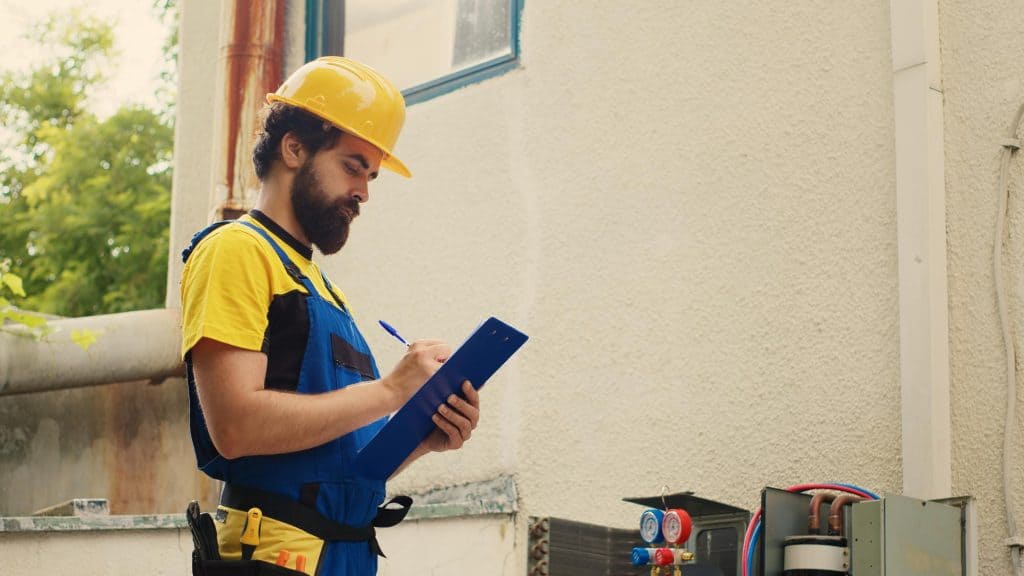
A PCA is the assessment process; a Property Condition Report (PCR) documents its findings. For a commercial purchase or lease, agree on the scope, access arrangements and reporting deadline before work begins.
The report records observed conditions and, where included in the agreed scope, opinions of repair or replacement costs. It cannot rule out every hidden defect. Detailed engineering, energy analysis and code-compliance reviews may require separate specialist work.
Ask the lender or other requesting party which standard, report format and consultant qualifications it accepts. Confirm these requirements before commissioning the assessment.
Summary: The Importance of PCAs
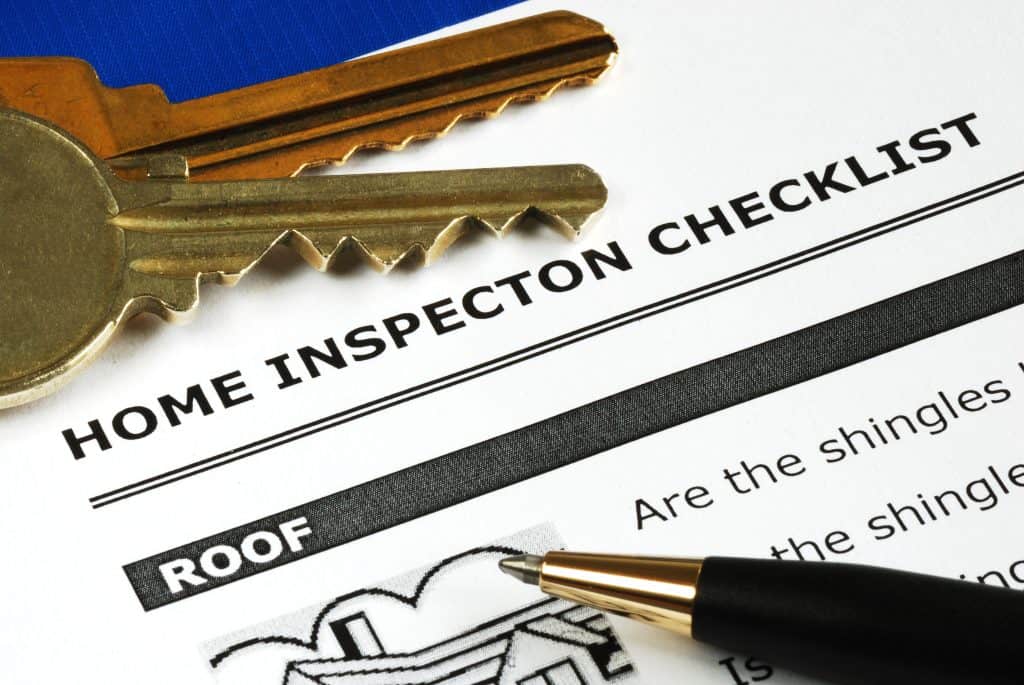
Ensure peace of mind with a Property Condition Assessment (PCA). PCAs reveal property conditions, potential issues, and needed repairs. Buyers gain insights, while sellers address problems proactively. Next Day Inspect’s detailed reports cover structural, mechanical, and safety aspects, ensuring informed decisions. Avoid surprises; secure your investment today!