


NEXTDAY INSPECT / FIELD NOTES
Winter Seasonal Home Maintenance Checklist for Property Owners
Cold weather tests a home's exterior shell, plumbing, and heating equipment. Use this practical checklist to protect your property and catch small issues before freezing temperatures arrive.
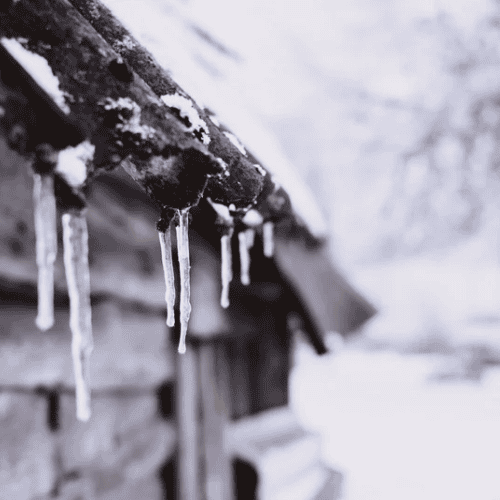

Why winter preparation matters
Freezing temperatures, snow, and wind place sustained stress on a building's exterior envelope and mechanical systems. When moisture freezes inside gutters, foundation cracks, or uninsulated pipes, minor wear can turn into costly structural or water damage.
Working through a structured checklist before deep winter sets in helps keep indoor temperatures steady, reduces unnecessary energy loss, and gives you time to schedule qualified contractors before peak emergency demand.
Clear gutters and inspect roof drainage
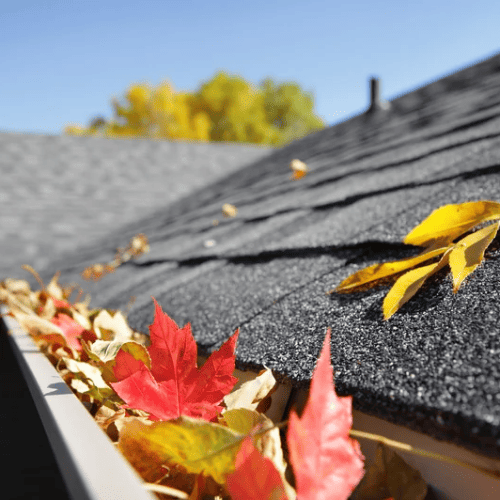
Fallen leaves and twigs left in gutters block melting snow from draining off the roof edge. Trapped water can refreeze into ice dams that force moisture beneath shingles and into attic framing.
Clean out gutters and downspouts after most leaves have dropped, and confirm that downspout extensions discharge water several feet away from your foundation walls. From the ground, use binoculars to look for loose flashing, missing shingles, or sagging gutter sections that need repair.
Protect exposed pipes and exterior faucets
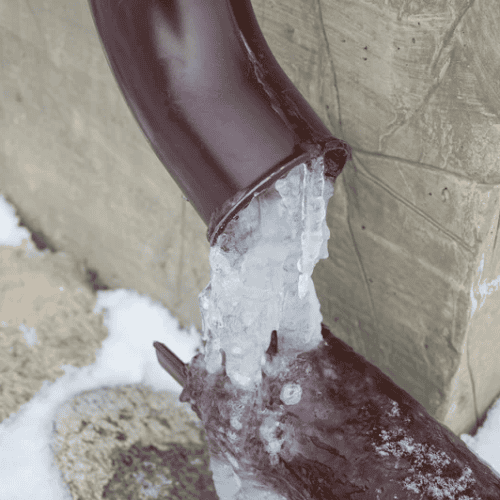
Pipes routed through unheated basements, crawl spaces, garages, or exterior walls are the most likely to freeze during sudden cold snaps.
Disconnect and drain garden hoses, close interior shutoff valves leading to exterior spigots, and open the outside taps briefly to drain remaining water. Wrap accessible pipes in unconditioned spaces with foam insulation sleeves, and keep cabinet doors under sink basins open during severe freezes so warm indoor air can circulate around supply lines.
Step-by-step indoor winter readiness checklist
Service your heating system and swap filters
Schedule an annual inspection and tune-up with a licensed HVAC technician for your furnace, boiler, or heat pump. Install a clean air filter and check that supply registers and return grilles are unobstructed by furniture or rugs.
Test smoke and carbon monoxide alarms
Closed windows and fuel-burning appliances increase the importance of working life-safety devices in winter. Press the test button on every smoke and carbon monoxide detector, replace aging batteries, and confirm units are within their manufacturer service life.
Seal drafts around windows, doors, and penetrations
Check weatherstripping around exterior doors and garage entry doors, replacing worn strips where daylight or cold air enters. Apply exterior-grade caulk around window trim and utility penetrations where cables or pipes enter the siding.
Check attic insulation and ventilation
Look into the attic to verify that insulation is evenly distributed and not blocking soffit vents. Consistent insulation and airflow keep the roof deck closer to outdoor temperatures, which reduces snowmelt and refreezing at the eaves.
Prepare chimney, fireplace, and emergency supplies
If you use a wood-burning fireplace or stove, have the flue cleaned and inspected by a certified chimney sweep before lighting the first fire, and verify the damper closes tightly when not in use. Keep flashlights, fresh batteries, ice melt, and a snow shovel accessible.
Maintain safe walkways and monitor indoor humidity
Trim dead tree branches overhanging the roof, driveway, or power service lines before heavy snow or ice loads weigh them down. Store driveway markers along walkway edges so snow removal equipment stays clear of turf and hardscape borders.
Indoors, watch for heavy condensation on window glass, which can signal high indoor humidity or poor air circulation. Running bathroom and kitchen exhaust fans during and briefly after showers or cooking helps control moisture without over-drying the home.
Common winter maintenance questions
What temperature should I keep my thermostat when traveling in winter?
Keep your heating system running while away and set the thermostat no lower than 55 degrees Fahrenheit. Maintaining steady indoor warmth helps protect plumbing hidden inside exterior walls and cabinets.
How often should I replace my furnace filter during winter?
Check standard 1-inch pleated filters every 30 days during heavy heating use and replace them at least every 60 to 90 days, or sooner if you have pets or notice visible dust buildup.
Can a home inspection help identify winter vulnerabilities?
Yes. A general home inspection evaluates accessible roofing, attic insulation, foundation drainage, plumbing, and heating components, helping you prioritize repairs and maintenance before extreme weather arrives.
Schedule a comprehensive property evaluation
Want an objective look at your home's roof, exterior, plumbing, and heating systems? Explore what our residential inspection covers.