

Home / Virginia / Fairfax County
Fairfax County, Virginia
Inspections and Testing in Fairfax County
We run home inspections, radon tests and mold testing across Fairfax County, house by house. The county sits in Northern Virginia's EPA Zone 1 for radon, with homes whose condition often has more to do with upkeep than with age.
Every town we cover in Fairfax County
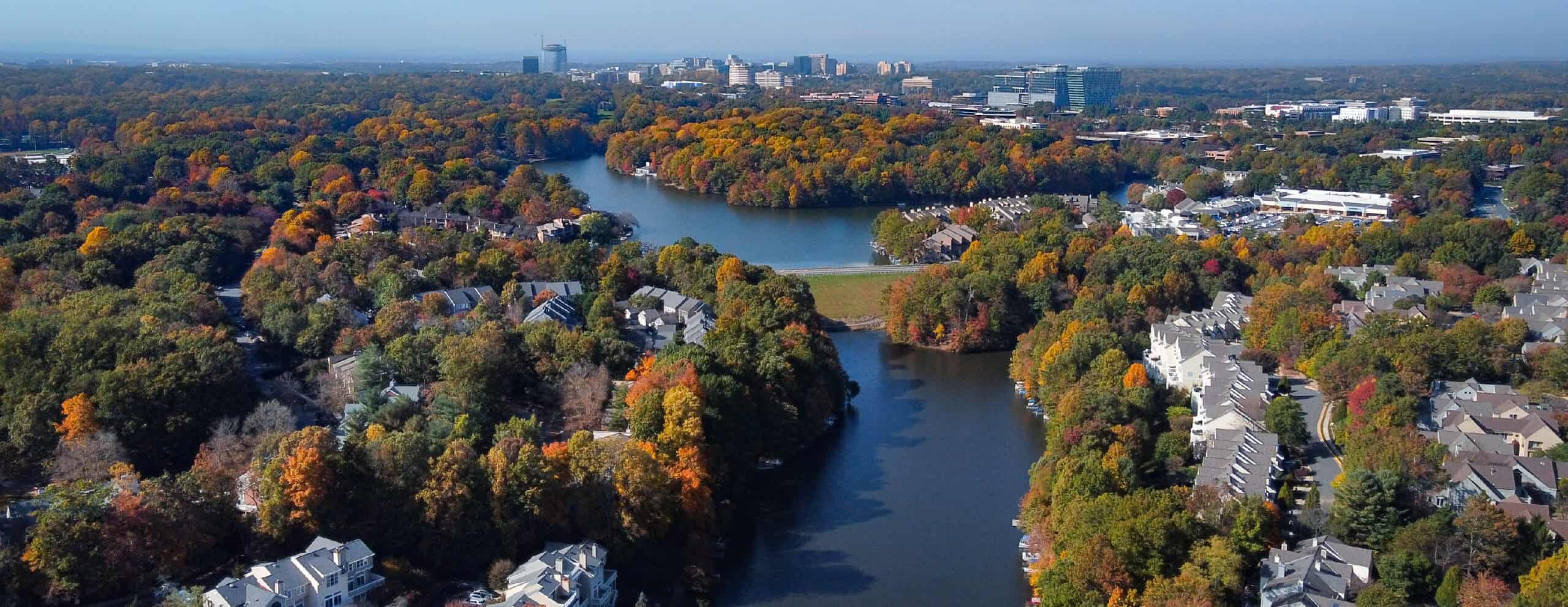
Fairfax County covers a wide band of Northern Virginia, from Potomac River shoreline to inside the Beltway rowhouses to newer subdivisions near Dulles. Housing stock varies as much as the geography: all sit within the same county lines. This page is the index to the towns and communities we serve here, each with its own page covering the housing patterns and inspection considerations specific to that place.
- Annandale
- Burke
- Centreville
- Chantilly
- Clifton
- Fair Oaks
- Fairfax
- Fairfax Station
- Falls Church
- Great Falls
- Herndon
- Idylwood
- Lincolnia
- Lorton
- McLean
- McNair
- Oakton
- Reston
- Springfield
- Tysons
- Vienna
Each town page carries what we actually see in the housing stock there and routes to that town's own service pages. Anywhere inside the county line is a normal booking whether or not it is listed here.
What we see across Fairfax County homes
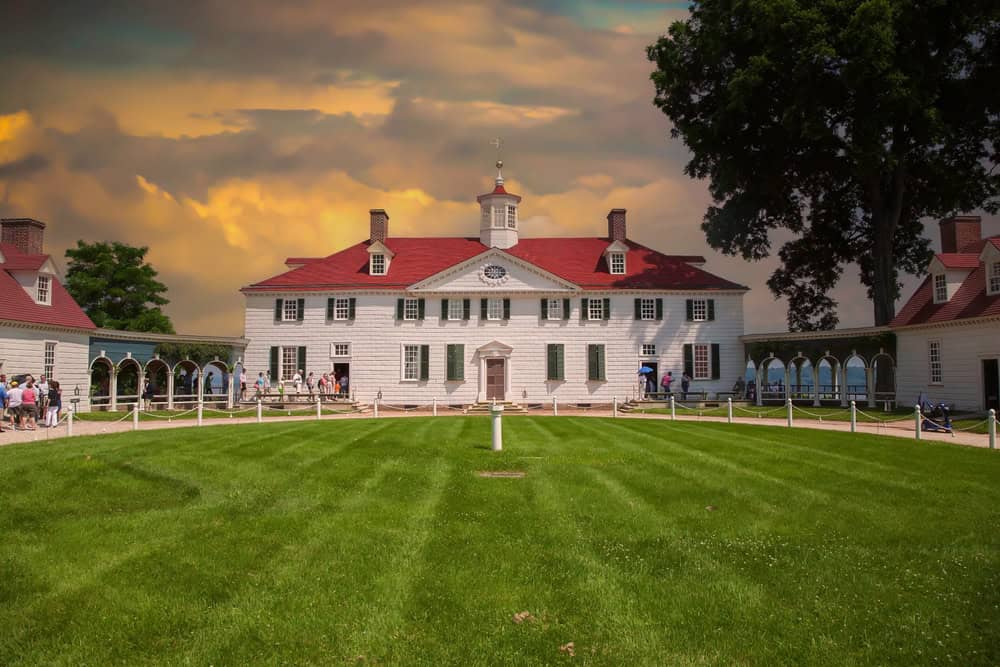
Fairfax County's housing stock spans several building eras, from older homes near the county's historic cores to large lot construction near its rivers and parks to dense townhome and condo development along its transit corridors.
That range means an inspection here has to account for very different systems from one address to the next: original wiring in one neighborhood, a recently replaced HVAC system a few miles away, a private well and septic system on a large wooded lot, or a shared roof and foundation wall in a townhome row. We adjust what we check based on the age and type of structure at each address, not a single countywide checklist.


01
Older housing stock and additions
Many Fairfax County neighborhoods were built in stages over decades, and older homes often carry additions, finished basements or converted garages. We check whether that work matches the permit history and look for signs it was not built to code, since problems often hide in unpermitted work.
02
Grading, downspouts and standing water
The county's mix of clay soil and rolling terrain means water management matters at almost every address. We trace downspout discharge, grading slope toward the foundation and any signs of past water intrusion in basements and crawlspaces, which is often the first thing a buyer should understand about a property.
03
Crawlspaces, sumps and moisture control
Crawlspaces and sump systems are common across the county's older subdivisions. We check vapor barriers, sump pump function and signs of past moisture, since a poorly managed crawlspace is one of the more common sources of hidden damage in this region.
Most additions, decks and HVAC work need a county permit.
When a homeowner skips the permit process, the work is not inspected by the county at the time it is done, which means problems can be built in and stay hidden for years. During a home inspection we note visible signs of unpermitted work, such as electrical panels that do not match the home's age or additions without matching foundation work, so a buyer can ask the seller or the county for the permit history before closing.
Confirm with Fairfax County Land Development Services, the county's permit and code enforcement office.
Fairfax County inspections, answered straight
Does NextDay Inspect cover all of Fairfax County?
Is radon testing necessary everywhere in Fairfax County?
What kind of housing stock should I expect an inspector to see in Fairfax County?
Do older Fairfax County homes typically need mold testing?
Book an inspection in Fairfax County
Pick the town above if you want the local detail first, or go straight to scheduling with the address.
NextDay Inspect
46179 Westlake Dr, Ste 200, Sterling, VA 20165
(703) 450-6398
Licensed, certified and insured
Our inspectors are licensed, insured and continuously trained, and every one is backed by general liability and errors and omissions insurance. These are the credentials that matter for a home inspection; the full roster of certifications, awards and association memberships is a click away.
 InterNACHIInternational Association of Certified Home Inspectors. Every inspection follows its Standards of Practice.
 Certified Master InspectorThe inspection profession's senior designation.
 ASHIAmerican Society of Home Inspectors. We work to its ethical and operational standards.
 BBB Accredited, A+Better Business Bureau accredited since 2019 with an A+ rating.
 Angi Super Service AwardAwarded for 2025 on verified customer reviews.
 Thumbtack Top ProTop Pro standing on Thumbtack, earned on customer reviews.
- Licensed and continuously trained inspectors
- General liability and errors and omissions insurance
- Every report peer reviewed before it goes out
- Passed the National Home Inspector Examination
See every credential we hold: inspector certifications and accreditations, awards and association memberships.