
Home/Home Inspection/Westminster, MD
Home inspection
A Main Street storefront apartment and a rancher three blocks away do not age the same way, so the inspector's report separates what your specific address needs from general advice.
4.9 rating, over 4,000 reviews Licensed and insured inspectors Serving Westminster and all of Carroll County
Every inspection covers the same 12 areas, from the roof down to the grounds, and the report is organized the same way. It is visual and non-invasive: nothing is opened up, and nothing you own is moved. Tap any area to see what is checked.
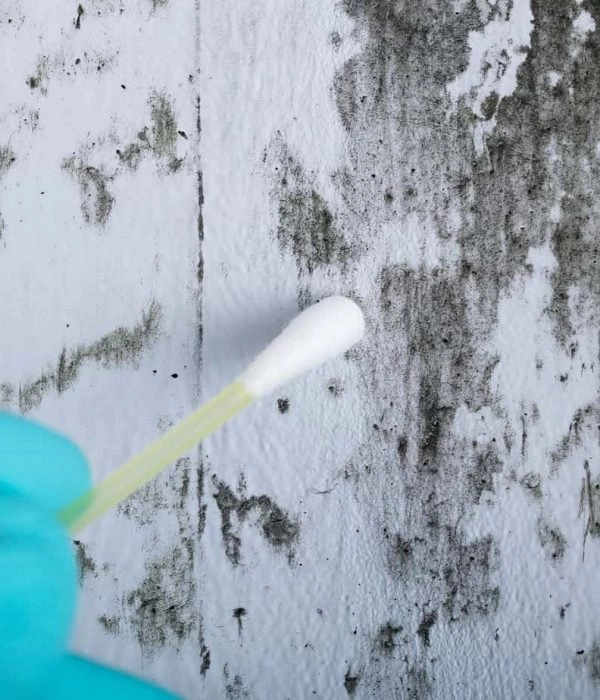
Every inspection follows a written standard of practice. Radon, termite, mold and water testing can be added to the same visit.
Three packages built around the home inspection. Package prices are for the add-on services only and are added to the inspection price. The savings are against booking the same services one by one.
The perfect starting point
Most popular for homebuyers
The ultimate peace of mind
Warranties must be requested when you book, not after the inspection. Radon and thermal imaging can also be added on their own. Read more about each package.
No jargon, no surprises. Here is the whole visit, start to finish, so you know what you are booking before you book it.
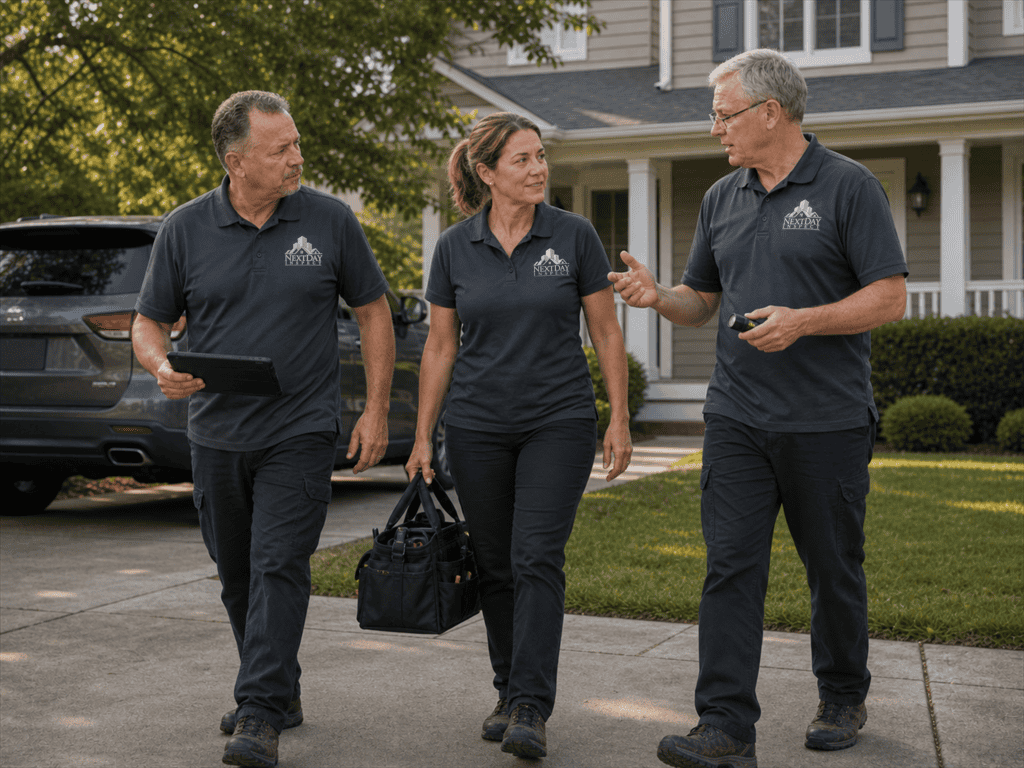
Online or by phone, in a few minutes. Your agent can book for you. Add radon, termite or a package at the same time, and we confirm the appointment with you before the visit.
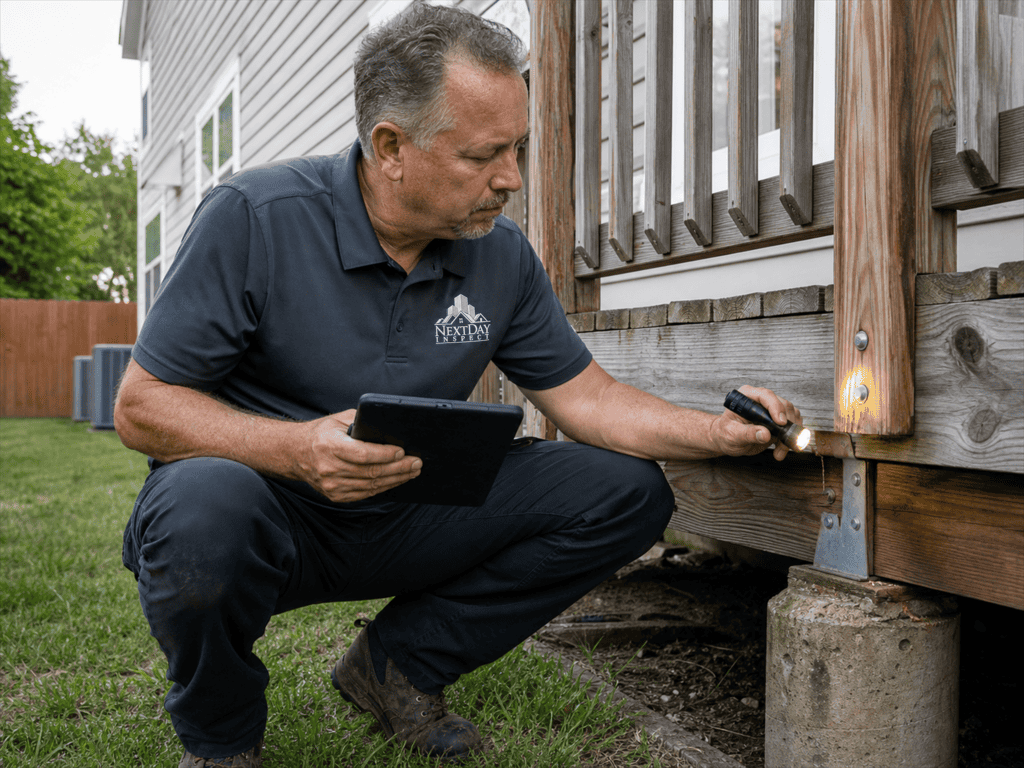
Roof, siding, grading, decks, the garage and the grounds first. The inspector photographs what they find as they go, so the report shows you exactly where each item is.
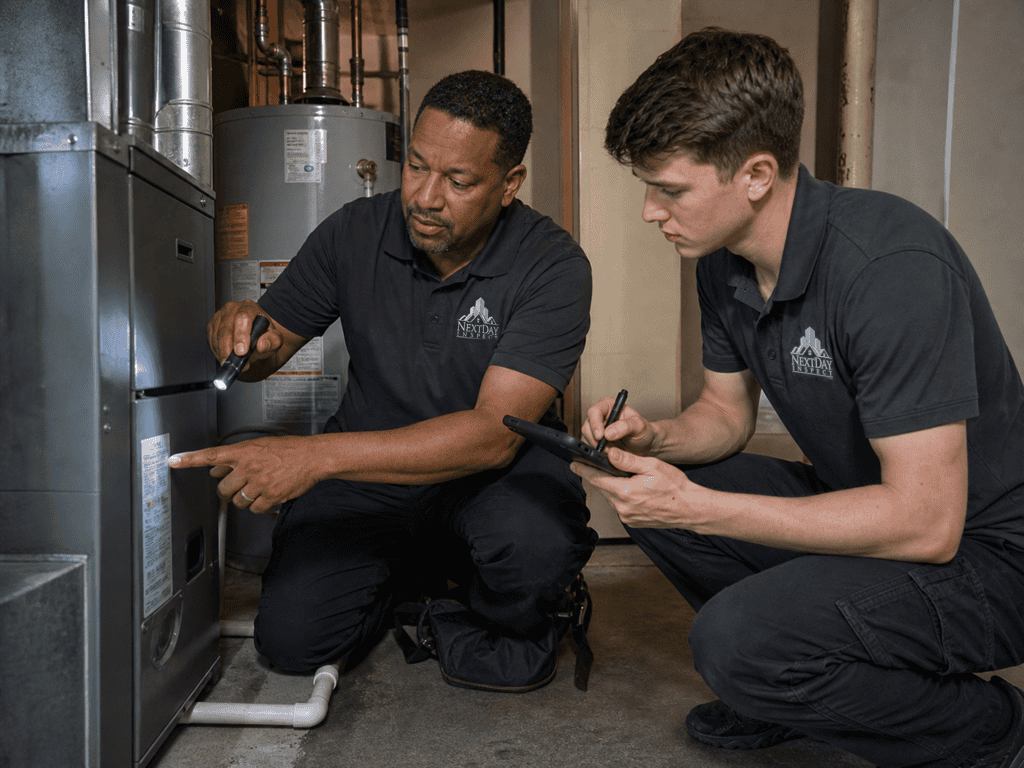
Panel cover off. Water heater, furnace and air conditioning run with their normal controls. Every fixture, every room, the attic, and the basement or crawlspace.

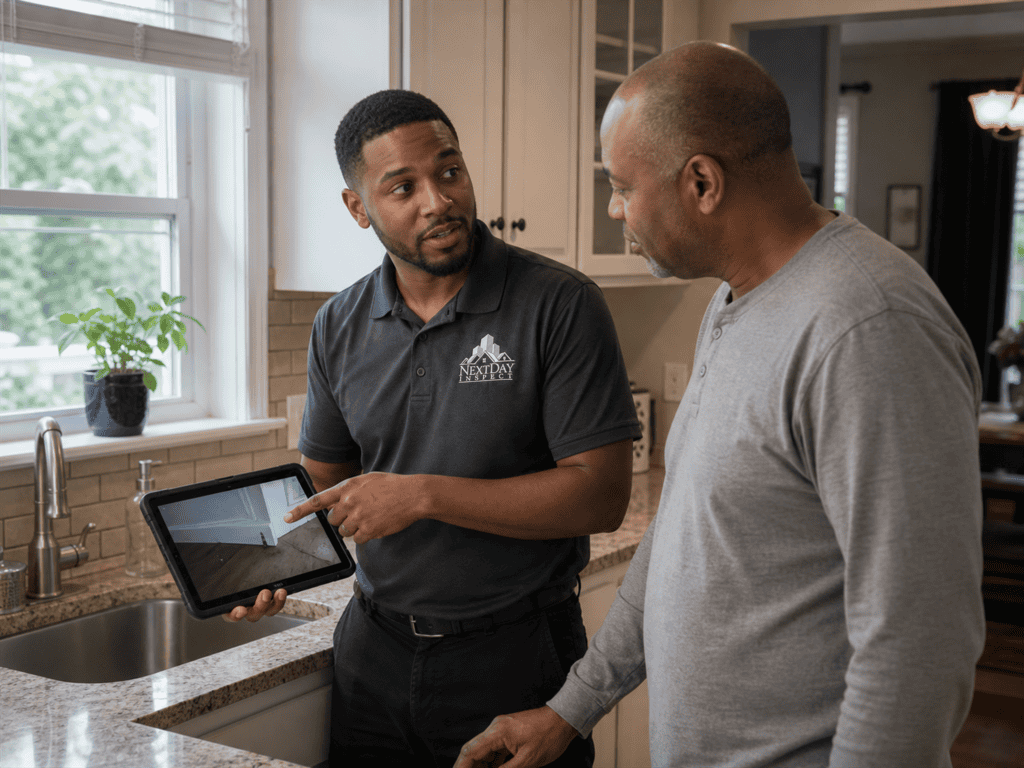
You see the main findings in the house itself. The written report follows online with photos, priorities and what to do about each item.
Westminster grew along Main Street and at The Forks, where early roads met, with later building following the railroad into town. An old downtown house and a newer place on a residential street a few blocks out rarely share a foundation type or a wiring era, so the inspection starts by placing the specific address in that timeline rather than assuming one standard house.
Downtown blocks near the old rail line hold buildings converted between commercial and residential use more than once, often with a cellar entrance from the street and a shared wall with the building next door. The inspection reads the foundation and any accessible cellar for cracking and past water penetration, follows the framing to where an upper floor was finished into living space, and checks the electrical panel and plumbing supply lines separately for the original section and any later addition. A converted storefront gets particular attention at the party wall and the roofline it shares with its neighbor.
Westminster's own city history places its earliest growth along Main Street and the road junction the city still calls The Forks, with a later building wave arriving once the railroad reached downtown.
West of downtown, an original house and a later extension often sit under one roofline but were built to different standards years apart. The inspection separates the two: checking the older section's foundation, framing and electrical service on its own, then following the addition to the seam where its roof, siding or floor level changes. Windows and doors get opened in both sections, attic insulation and ventilation are checked wherever the attic is accessible, and grading around the whole footprint is read as one system regardless of when each part was built.
A resident FAQ published by the City of Westminster itself directs anyone applying for a building permit to Carroll County's Office of Permits and Inspections, not to the city, even for an address inside city limits.
Westminster sits in Carroll County, and the same inspectors cover the whole county. Every place below has its own page.
Real questions Westminster buyers ask about downtown, The Forks and building permits.
Carroll County does, even though Westminster has its own city government. The city's own published guidance sends every building permit application to the Carroll County Office of Permits and Inspections on North Center Street, while the city keeps its own zoning ordinance and reviews the fees tied to a permit. Ask which office to start with before you assume city hall handles it.
Tell us whether the ground floor is still commercial or has been converted to living space, since a shared wall, roof or plumbing chase with the building next door changes what the inspector checks first. Describe any cellar entrance from the street and whether the upper floor was finished as an addition. That detail helps the visit focus on the seam between the original storefront and whatever came later.
Not harder, just different in what usually turns up. A downtown building near the old rail line has often changed use more than once, so the inspection reads its systems in layers: original wiring, later rewiring, an old cellar and a newer finished room. A house near The Forks is more likely to be a single-era build with one addition, so the inspector mainly checks where that addition meets the original structure.
The walkthrough itself does not change size: roof, exterior, foundation, electrical, plumbing, heating and cooling, attic and interior are checked the same way regardless of the house's age. What changes is the number of questions worth asking beforehand, since an older downtown property usually carries more than one renovation to account for, while a newer house mostly needs its grading and a recently finished basement looked at closely.
It changes scheduling, not scope. Every unit needs access, so coordinate a time with the tenant in advance and let us know at booking that the property has more than one occupied space. The inspector still checks the whole building the same way: shared roof and systems once, plus each unit's own electrical, plumbing and finishes separately.