
Home/Home Inspection/Frederick County, VA
Home inspection
A licensed inspector runs every system in the house, attic to crawlspace, then sends a photo report that lays out what to ask the seller to fix.
4.9 rating, over 4,000 reviews Licensed and insured inspectors Serving all of Frederick County
Frederick County wraps around the independent City of Winchester, from Stephens City on the old Valley Pike out to the orchards and farmland beyond, and the same team reaches every community on this page.
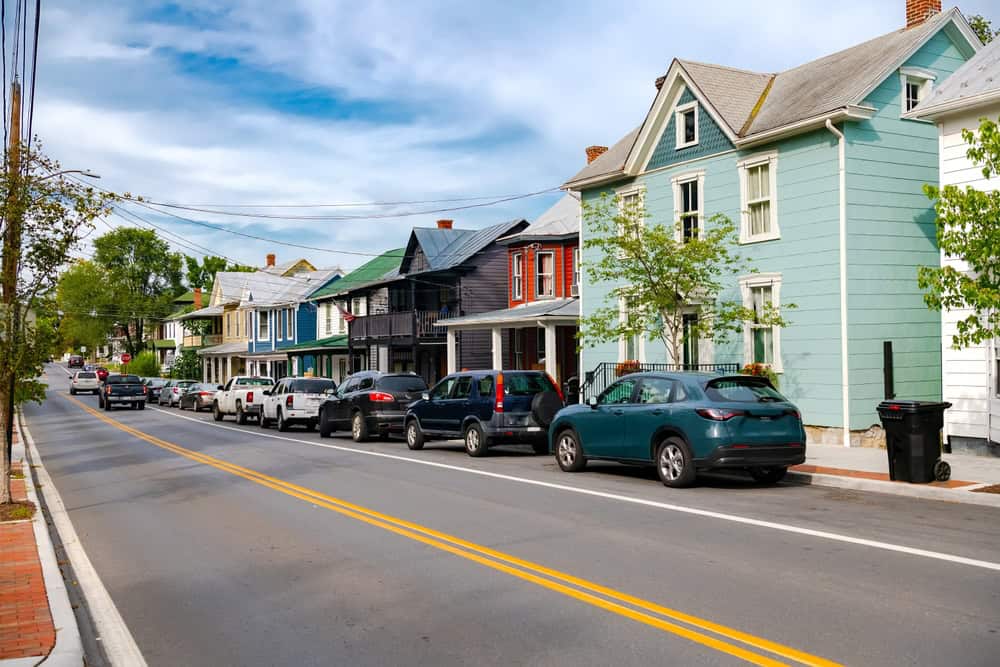
Stephens City's Main Street sits on the old Valley Pike, with later subdivisions spreading south along the same route.
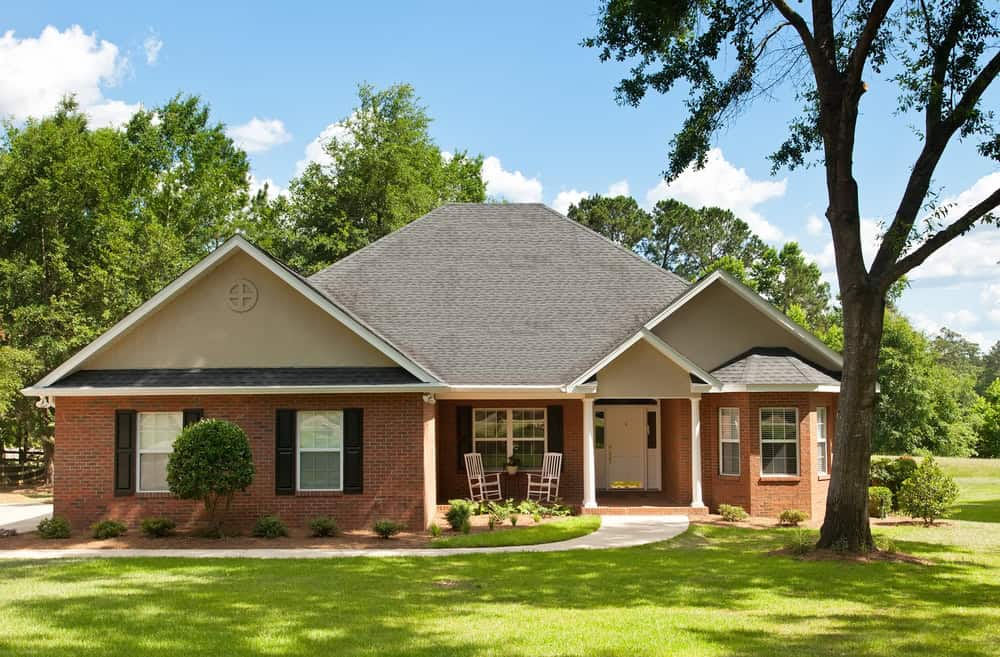
Winchester's independent city limits sit near the county's center, with newer county subdivisions ringing its older streets on every side.
Winchester is an independent city entirely surrounded by Frederick County; it is not part of the county's government, though the same team, packages, and prices reach it.
Three packages built around the home inspection. Package prices are for the add-on services only and are added to the inspection price. The savings are against booking the same services one by one.
The perfect starting point
Most popular for homebuyers
The ultimate peace of mind
Warranties must be requested when you book, not after the inspection. Radon and thermal imaging can also be added on their own. Read more about each package.
No jargon, no surprises. Here is the whole visit, start to finish, so you know what you are booking before you book it.

Online or by phone, in a few minutes. Your agent can book for you. Add radon, termite or a package at the same time, and we confirm the appointment with you before the visit.
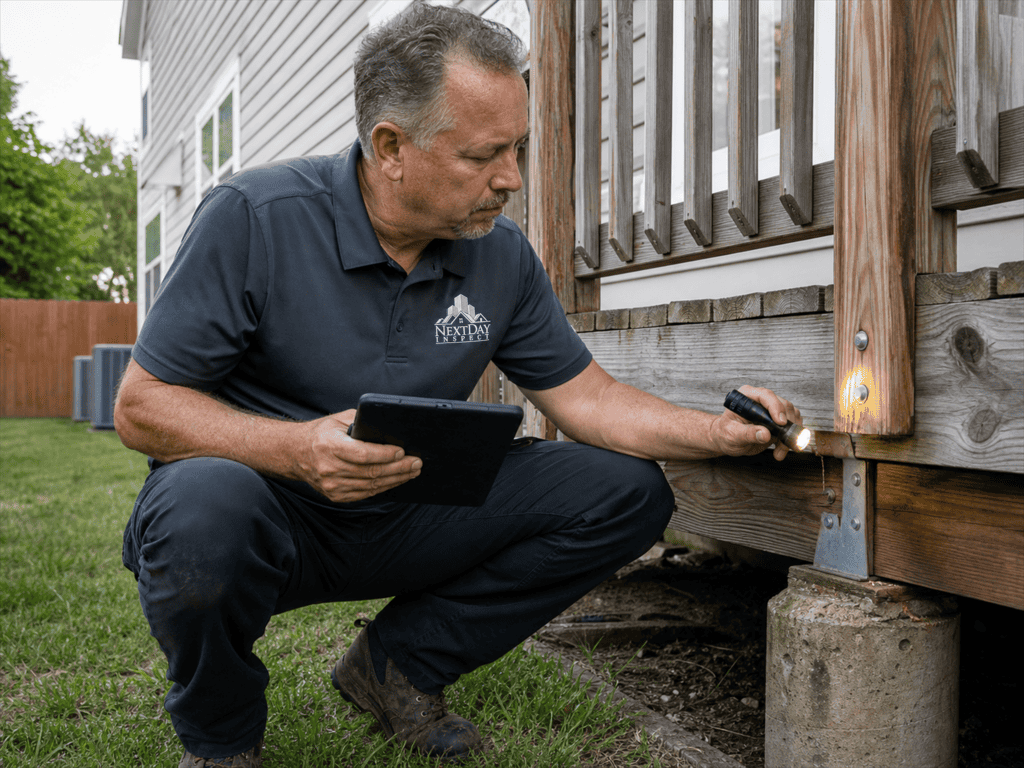
Roof, siding, grading, decks, the garage and the grounds first. The inspector photographs what they find as they go, so the report shows you exactly where each item is.
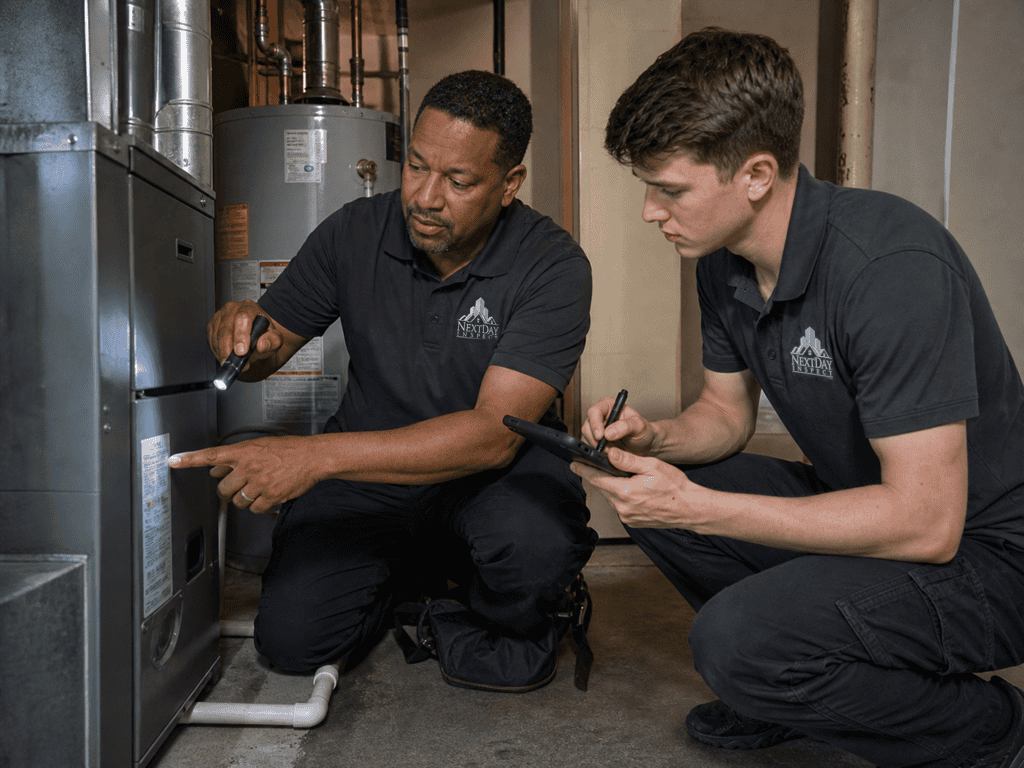
Panel cover off. Water heater, furnace and air conditioning run with their normal controls. Every fixture, every room, the attic, and the basement or crawlspace.

You see the main findings in the house itself. The written report follows online with photos, priorities and what to do about each item.
Frederick County wraps around the independent City of Winchester, and its growth followed the roads leading out from that center. The Valley Pike carried the county's oldest crossroads settlements south to Stephens City, and newer subdivisions filled the land between those towns and the Winchester line from the late twentieth century onward. Farther from the pike, the county turns to orchards and farmland. Foundation type is confirmed first.
Many county farmhouses along the Valley Pike carry a later addition or an enclosed porch built at a different floor level than the original structure, and that seam is often where a stain starts. The inspection follows the addition to where old meets new, checking how the framing ties together and whether the floor levels line up. Foundations vary from stone and block to poured concrete depending on when each section went up, so the inspector confirms the type under each part of the house, tests the electrical panel and heating system, and runs the plumbing fixtures throughout.
Frederick County posts its monthly building permit reports online, and older or unusual permit records can be requested through the county's Freedom of Information Act portal for a specific address.
A 2005 federal study found that about a quarter of Frederick County sits on carbonate bedrock that has weathered into the fractured, cavity-riddled ground common across the Shenandoah Valley. On that ground the inspector watches for settling cracks, out-of-square door and window openings, and floors that are no longer level, since those can trace back to the rock below rather than to the house itself. Away from the carbonate belt, the more common finding is simpler: a clogged gutter, a crawlspace vent that was never installed, or a roof valley that sheds water toward the wall instead of away from it.
A 2005 USGS study conducted with the county found that roughly 105 square miles, about a quarter of Frederick County, is underlain by carbonate bedrock prone to sinkholes and fractured drainage.
Frederick County is one of 10 Virginia counties we cover, and the same inspectors work all of them. Every county below has its own page.
The questions Frederick County buyers ask about Winchester, the pike, and old farmhouses.
It depends on the exact street. Winchester is an independent city entirely surrounded by Frederick County, so a Winchester mailing address can sit on either side of that line, and the two have separate permit and tax records. Give the full street address when you book so the report and any records reference the right jurisdiction. The visit itself, the scope, and the pricing are the same whether the house sits inside the city or in the county around it.
It changes where the inspector looks closest, not what is on the checklist. About a quarter of Frederick County sits on carbonate rock that can dissolve into cavities and sinkholes, so on that ground a straight-line crack, an out-of-square door frame, or a floor that is no longer level gets photographed and measured. Everywhere else the roof, the grading, the foundation, and every major system still get the same walk-through the standard scope requires.
Frederick County posts monthly building permit reports online, organized by month, which cover everything issued countywide. For a specific address or an older project not in those reports, the county's Freedom of Information Act portal lets you request the file directly, and the Building Inspections department can point you to the right one. If the property sits inside Winchester instead, the request goes to the city, not the county, since the two keep separate records.
Yes. Describe which sections are original and which were added later when you book, since that history helps the inspector target where to look closest. The visit covers every space you want documented, from the oldest room to the newest addition, and pays particular attention to where an addition meets the original structure, a spot that often shows up as a small step in the floor or a change in framing that is easy to miss without pointing it out.
It depends on where the house sits. Close to Winchester and along the main corridors, most homes are on public water and sewer; farther out toward the orchards and open farmland, private wells and septic systems are common. A home inspection does not test the well or evaluate the septic field, and the inspector leaves that to a specialist, but the crawlspace, the grading, and any staining near where a septic line runs are noted as part of the regular visit.