

Home/Home Inspection/Baltimore County, MD
Home inspection
Home Inspection in Baltimore County, MD
From Catonsville's bungalows to Dundalk's tidal creeks, the visit covers the same ground every time, then a photo report tells you what to fix before closing and what can wait.
Read client reviews Licensed and insured inspectors Serving all of Baltimore County
Where we inspect in Baltimore County
Baltimore County wraps around Baltimore City on three sides, from streetcar suburbs built before most households owned a car to postwar rowhouse and rancher neighborhoods near the water. Here is every community we serve.
West County
- Catonsville
Bungalow and cottage streets from the old turnpike era sit blocks from newer subdivisions built well into the twentieth century.
- Randallstown
Older crossroads dwellings share a corridor with ranch and split-level houses raised during the postwar building years.
- Owings Mills
Townhouses inside planned communities share walls with newer construction rising along the commercial corridor near the highway.
- Pikesville
Curving streets platted for a nineteenth century summer resort now carry additions, sunrooms and garages built decades later.
- Reisterstown
A Main Street of older houses gives way to a resort-era village and newer subdivisions further from downtown.
- Woodlawn
Streetcar-era cottages and garden apartments sit alongside later subdivisions built out toward the county's western edge.
East County toward the water
- Dundalk
Company-built duplexes from a single wartime push stand along curved streets close to newer infill near the water.
- Essex
Small wartime cottages and postwar additions sit along tidal creeks where crawlspaces and bulkheads take the brunt of high water.
- Parkville
Older bungalows near the reservoir valley give way to newer streets built closer to the city line.
- Perry Hall
Homes backing wooded parkland sit alongside newer mixed-use construction and active community associations further from the tree line.
- Towson
Detached houses, brick rowhomes and managed condominium buildings sit within a few miles of each other near the county seat.
Baltimore City
- Baltimore
Formstone rowhouses, older houses split into apartments, and harbor condominium towers each carry water through the building differently.
Baltimore City is an independent city the county borders rather than contains, and it is listed here because that is the address most homeowners search.
Add a package to the inspection
Three packages built around the home inspection. Package prices are for the add-on services only and are added to the inspection price. The savings are against booking the same services one by one.
Home Essentials
The perfect starting point
Home Advantage
Most popular for homebuyers
Home Enhanced
The ultimate peace of mind
Warranties must be requested when you book, not after the inspection. Radon and thermal imaging can also be added on their own. Read more about each package.
What a home inspection actually involves
No jargon, no surprises. Here is the whole visit, start to finish, so you know what you are booking before you book it.

You book, we confirm
Online or by phone, in a few minutes. Your agent can book for you. Add radon, termite or a package at the same time, and we confirm the appointment with you before the visit.
The walk-around
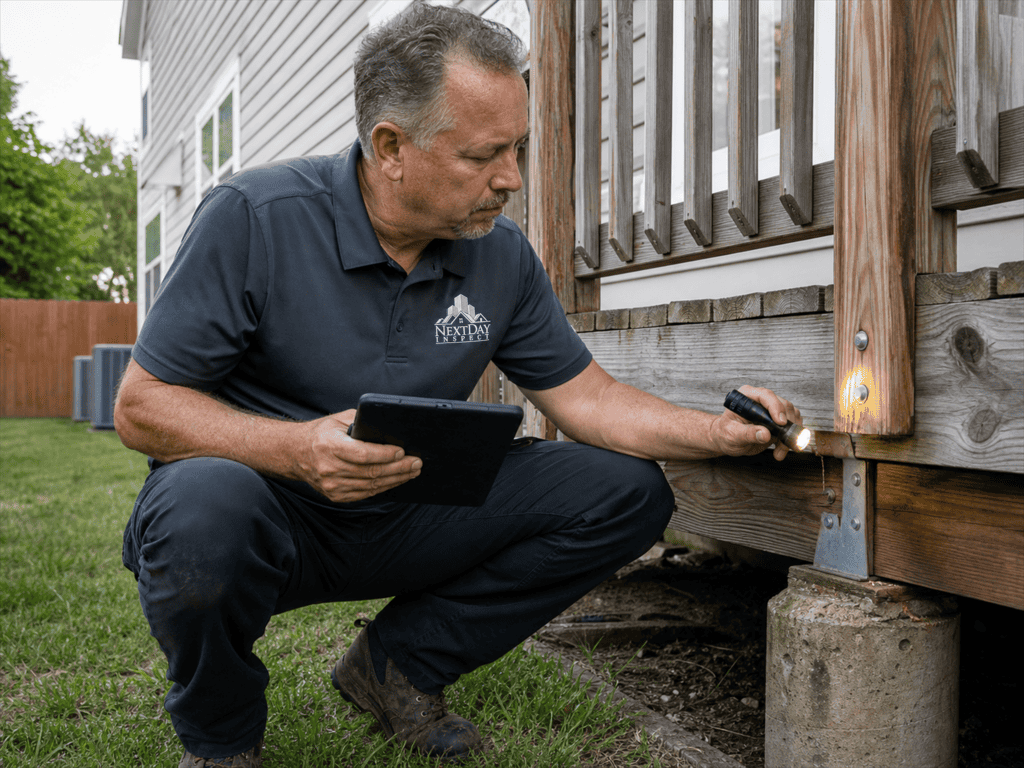
Roof, siding, grading, decks, the garage and the grounds first. The inspector photographs what they find as they go, so the report shows you exactly where each item is.
Systems and accessible spaces
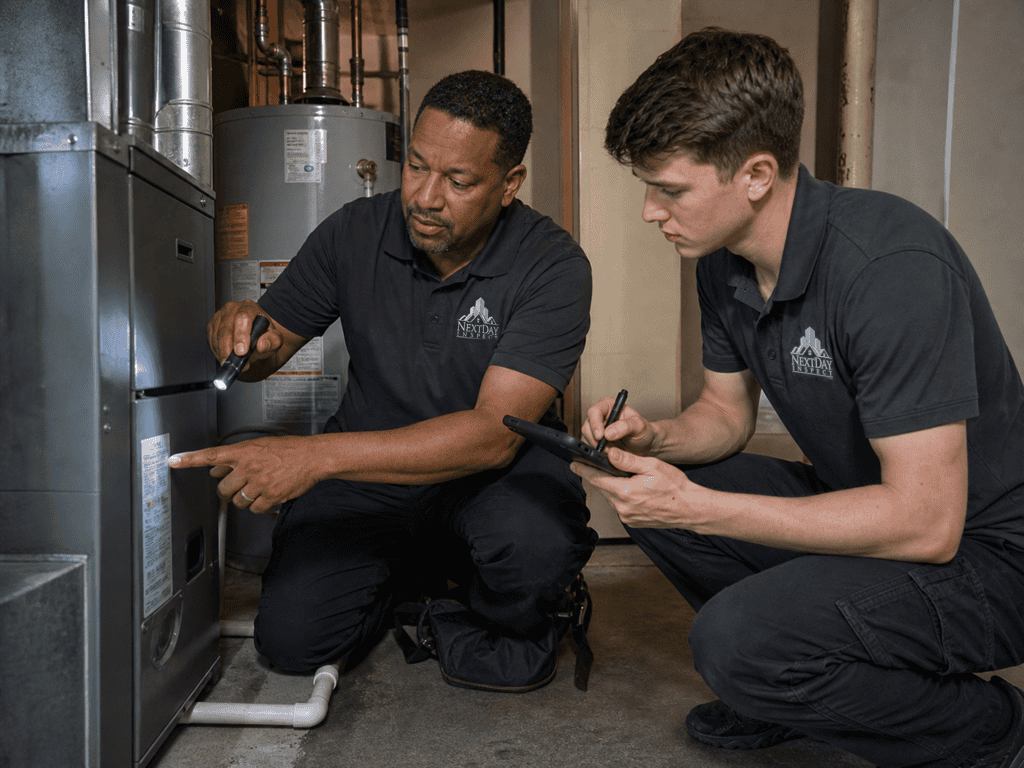
The inspector checks accessible electrical, plumbing, heating and cooling components and operates equipment with normal controls when conditions allow. The report identifies areas that could not be inspected and any recommended follow-up.

The walkthrough and the report
You see the main findings in the house itself. The written report follows online with photos, priorities and what to do about each item.
Baltimore County, streetcar suburb to shore
Baltimore County grew up in waves: streetcar lines built Catonsville and Towson before most households owned a car, postwar roads filled Dundalk and Essex with duplexes and ranchers, and later decades added planned communities at Owings Mills and denser infill near the Beltway at Pikesville. The decade a house was built usually tells an inspector more than its zip code does.
Streetcar suburbs and rowhome blocks
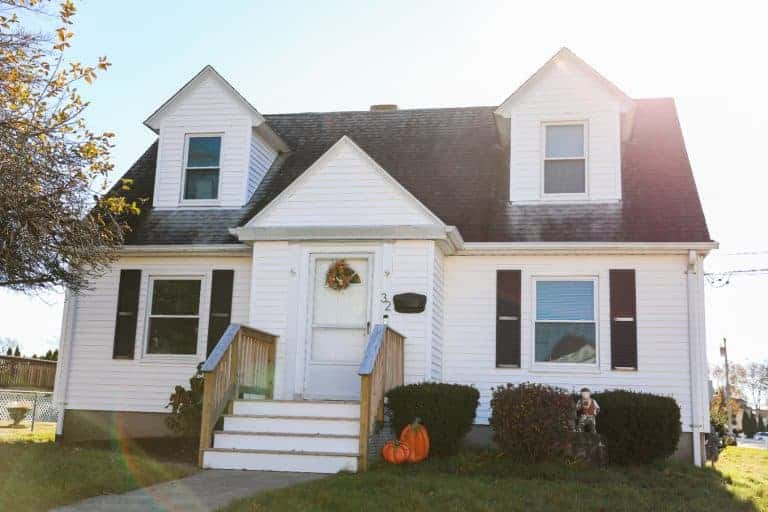
Catonsville and Towson mix detached houses, brick rowhomes, and managed condominium buildings within a few miles of each other, so an inspection has to match its scope to the building type in front of it. A detached bungalow gets the full walk-around: roof, grading, foundation, and crawlspace. A rowhome or townhouse inspection reads the party wall alongside the unit itself, since a shared roofline or a shared plumbing chase can carry a problem from next door. Pikesville's curving streets, platted for a nineteenth century resort, now carry additions, sunrooms, and garages built decades after the original house, and each addition gets checked at the point where old framing meets new.
Maryland Geological Survey mapping places Baltimore County in two physiographic provinces, Piedmont bedrock to the northwest and Coastal Plain sediment to the southeast, divided by the boundary geologists call the Fall Line.

Low ground near tidal creeks
Dundalk and Essex sit on the Coastal Plain side of the county, closer to tidal water than the Piedmont neighborhoods to the west, and the ground here is flatter and lower to begin with. The inspection covers the same items everywhere: roof coverings, exterior grading and drainage, the foundation and any accessible crawlspace, electrical panels and GFCI protection, plumbing fixtures and drains, and the heating and cooling systems run on their normal controls. Closer to the water, extra attention goes to crawlspace height, standing water, and any waterline visible on a foundation wall from a past storm.
Property ownership and assessment records for any Baltimore County address, including those along the water in Dundalk and Essex, are searchable through the state's SDAT real property database by street address or account number.
Home inspections around Baltimore County
Baltimore County is one of 11 Maryland counties we cover, and the same inspectors work all of them. Every county below has its own page.
Home inspections by county
Maryland
Virginia
Washington DC
Baltimore County home inspection, no confusion
Straight answers for Baltimore County buyers, from the Beltway to the water.
Where can I check permit and property records for a Baltimore County house?
Baltimore County's Permits, Approvals and Inspections division keeps its own permit records, and the county's open data site publishes some of that information for public search. For ownership, assessment, and sale history on any parcel in the county, the state's SDAT real property search works by street address or account number and covers every jurisdiction in Maryland the same way, so it is worth checking alongside whatever the county itself returns.
Does a Baltimore County rental property need to be licensed?
Baltimore County requires most rental dwellings to be registered and licensed before a tenant moves in, through its Permits, Approvals and Inspections division. A home inspection does not determine whether a property is currently licensed or qualifies for an exemption; that is a separate process between the owner and the county. If you are buying a rental or planning to rent out the house, confirm its registration and licensing status directly with the county before you rely on it.
Is a Baltimore County address the same government as Baltimore City?
No. Baltimore County is a separate government from Baltimore City, and it wraps around the city's northern, eastern and western sides rather than including it. That distinction matters for which jurisdiction issues permits, runs the schools, and sets the property tax rate for a given address. If a listing simply says Baltimore, always confirm the county or city line before you book, since the scheduling and the report both need the correct jurisdiction.
Does Baltimore County's radon zone change what the inspection covers?
The EPA places Baltimore County in Zone 1, its highest radon-potential category. That estimate applies at the county level and does not predict any single house's actual reading, so the EPA recommends testing every home regardless of zone. A standard home inspection does not test for radon; it is offered as a separate add-on that can be scheduled for the same visit if you want a reading before you close.
Our Owings Mills townhouse is part of an HOA. Does the inspection include the shared areas?
The visit is scoped to the house itself: its roof, exterior walls, foundation, systems, and interior, plus any exterior element the association leaves to the individual owner, such as a private deck or a driveway. Clubhouses, private roads, retention ponds, and other elements the HOA owns and maintains as common property are not part of a single-house inspection. Ask the association for its budget and recent capital repairs before you close, since that record shows what condition the shared property is really in.
Explore Our Inspection Reports
- HD Photography
- Commentary & Recommendations
- Grading Scale
- Repair, Safety & Maintenance